


 Top
Top
Now you will be redirected to the Maxa EL family
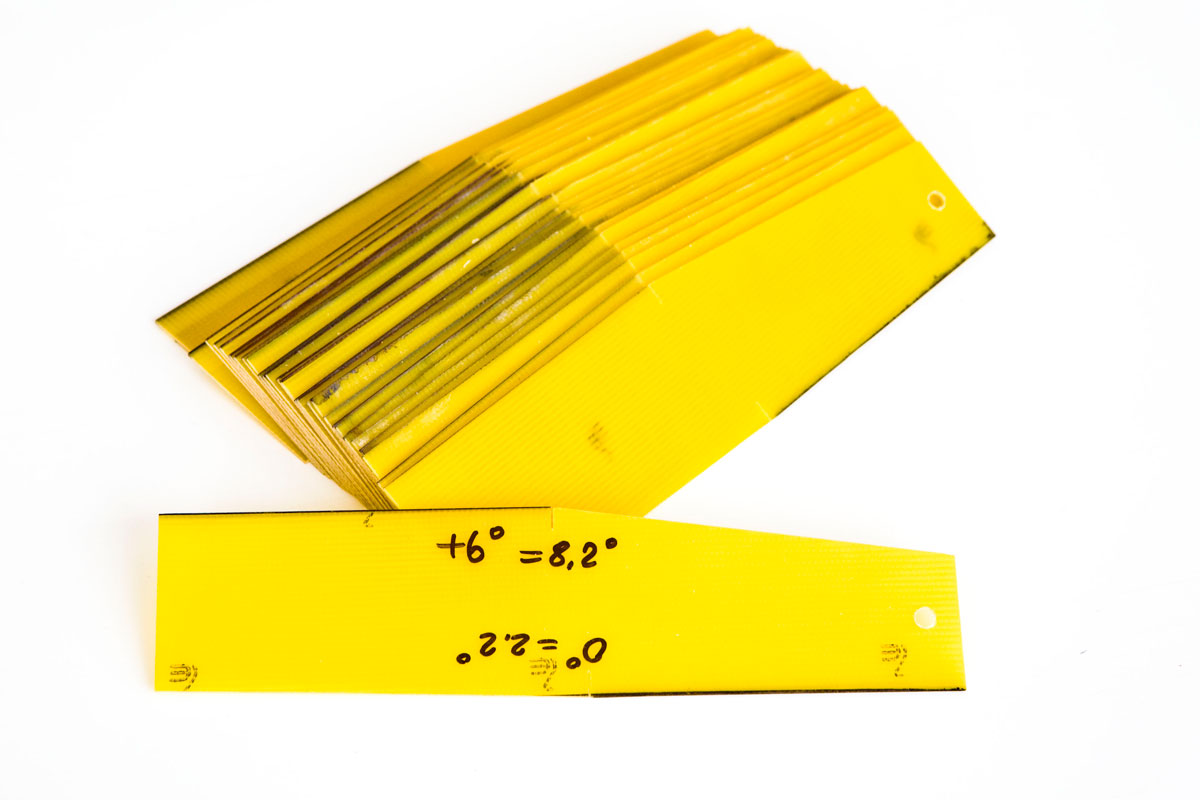
You can download a PDF file with templates for setting different flight phases (modes).
 MAXA Wing template for flaps and ailerons settings
(NOTE: to print the file in the correct scale, the scale settings for printing, select "None").
You can also purchase set of two (1 и 2 ) ready-made templates out of fiberglass.
To correctly set up flap an aileron deflections in relation to the TX sticks movement, we recommend the following arrangement:
Ailerons
3.jpg)
Flaps
.jpg)
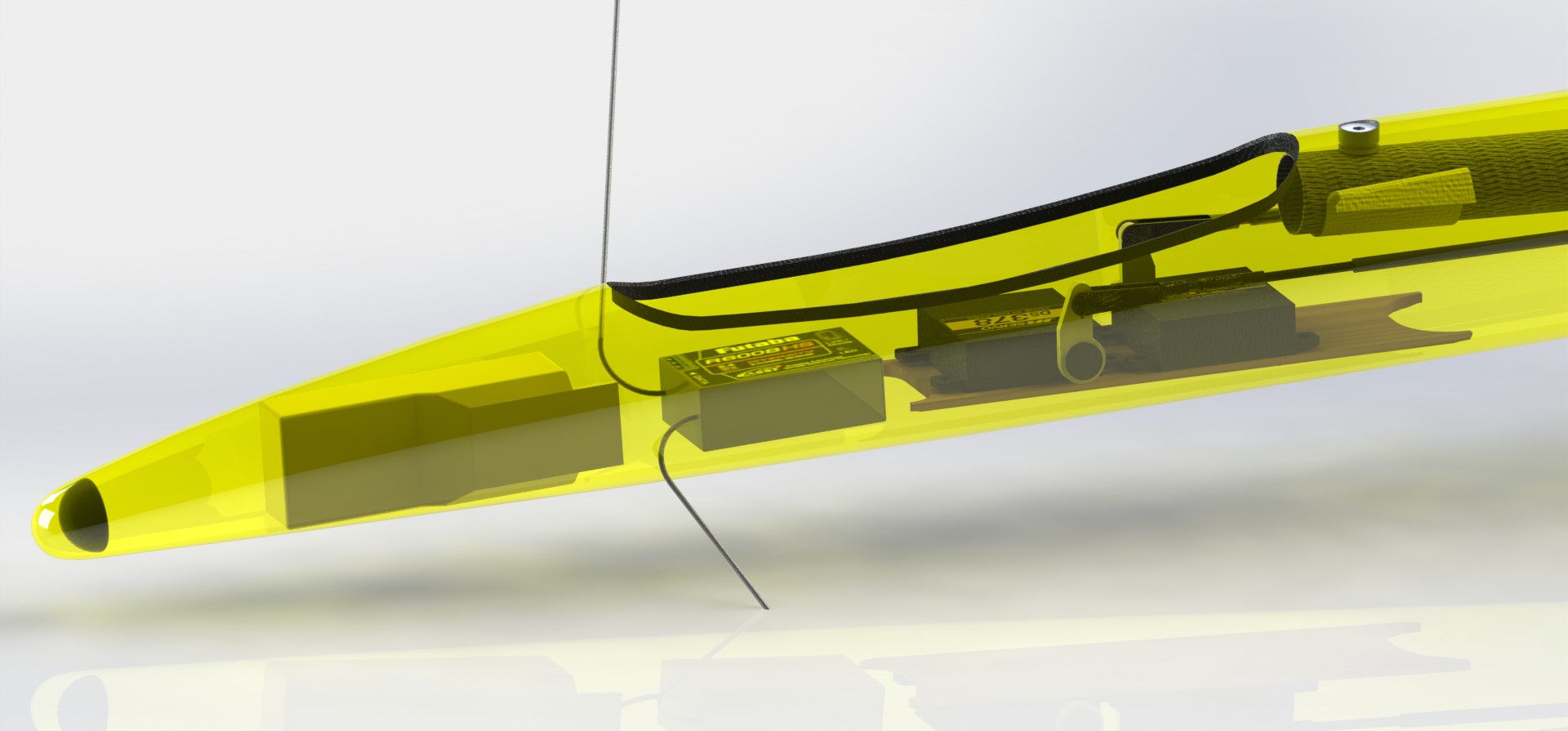
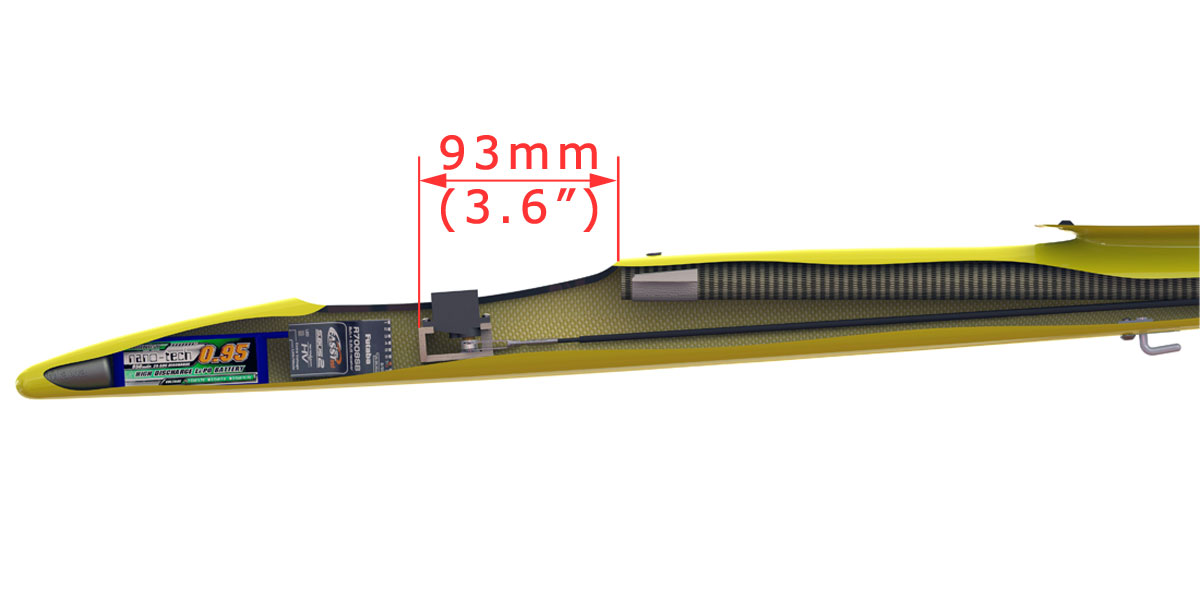
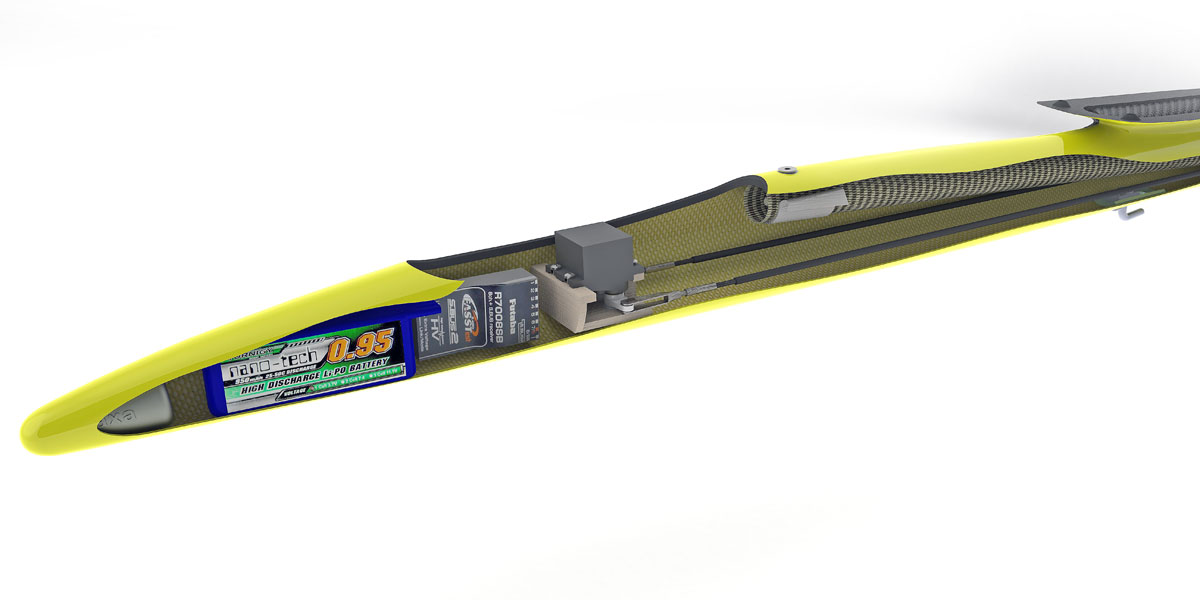
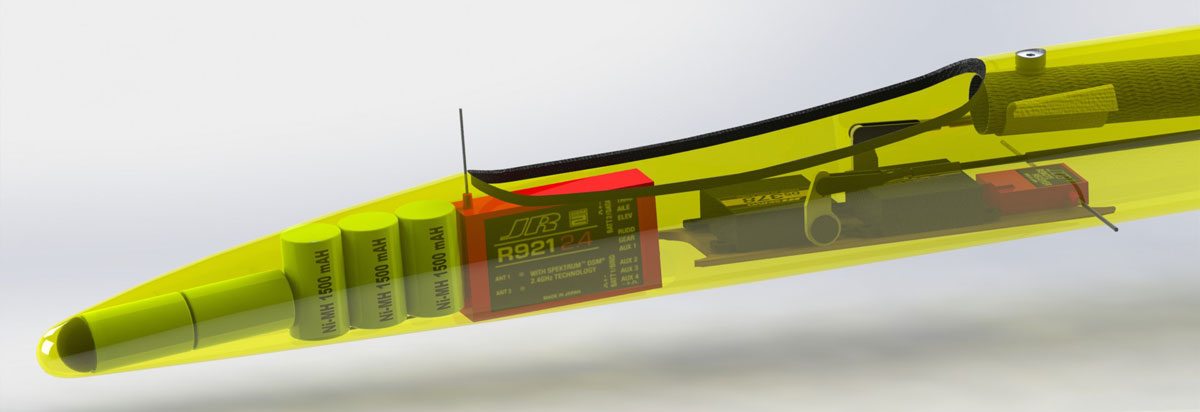
You can also view the different versions we elaborate arrangement of equipment in the Maxa fuselage
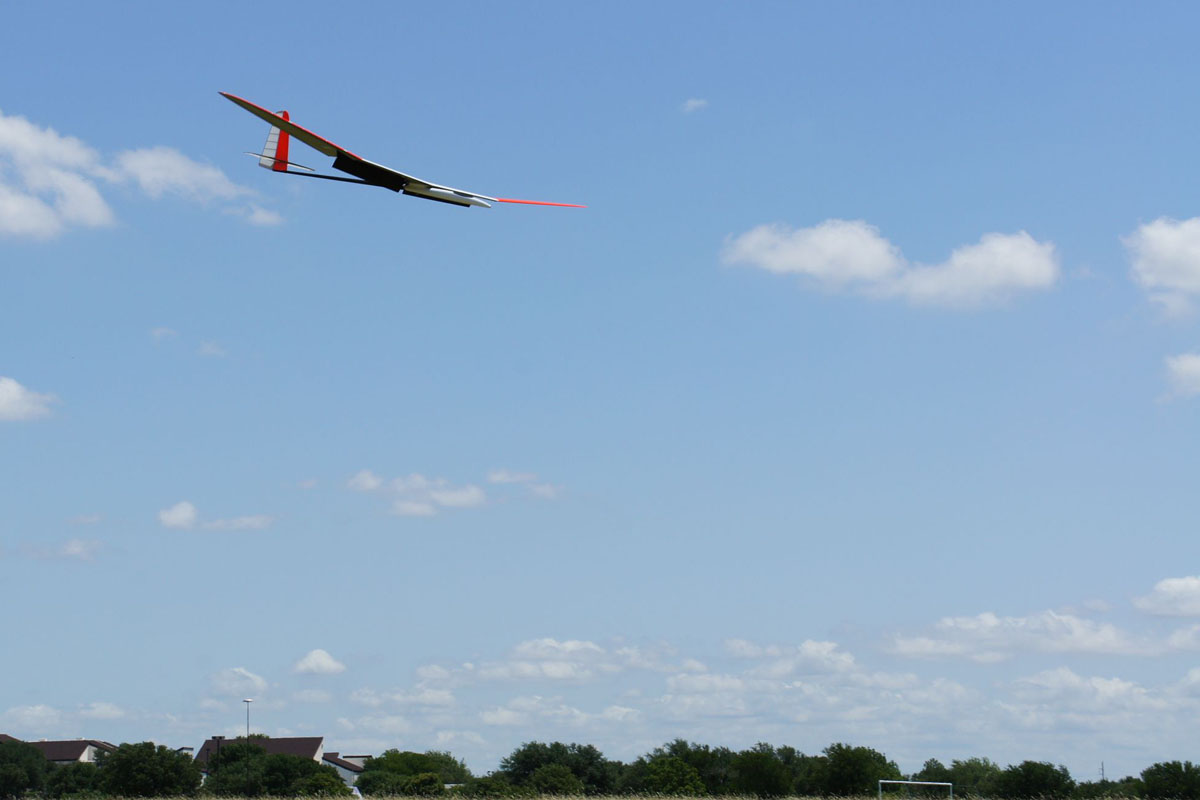
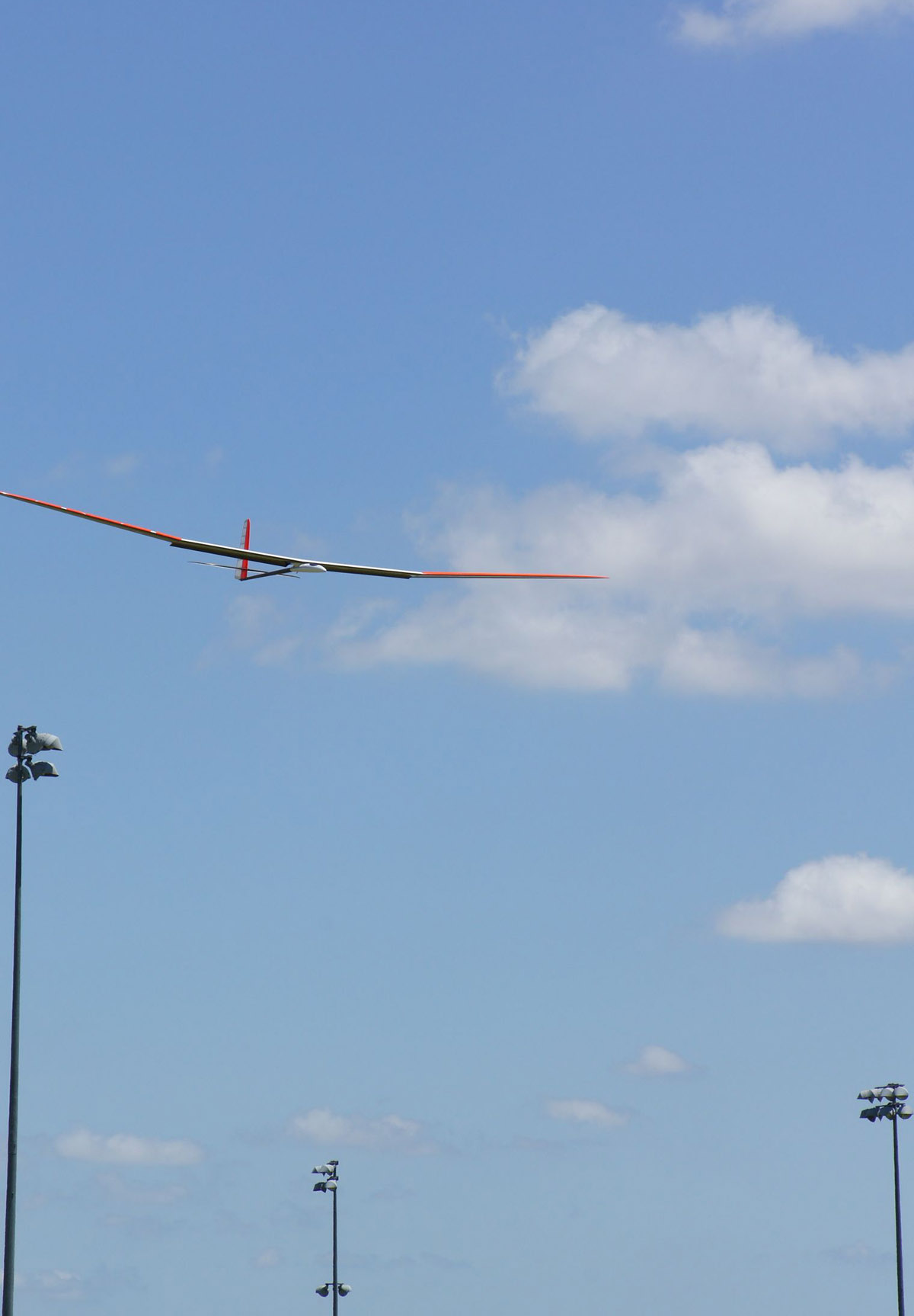
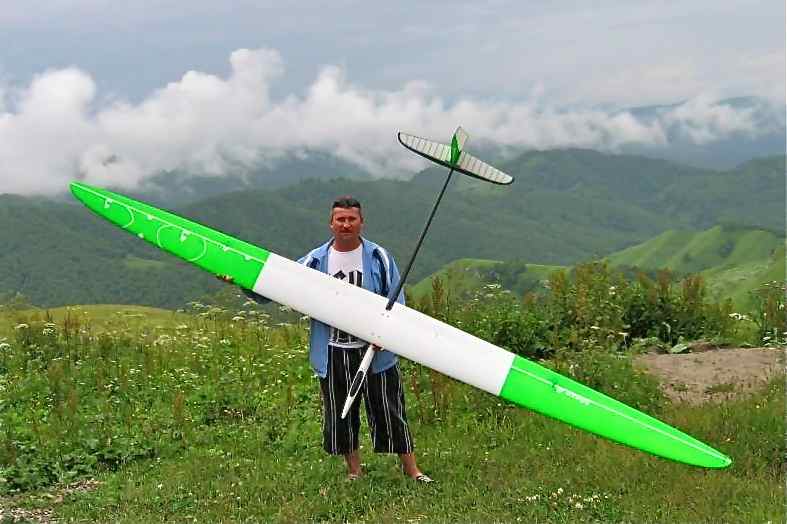


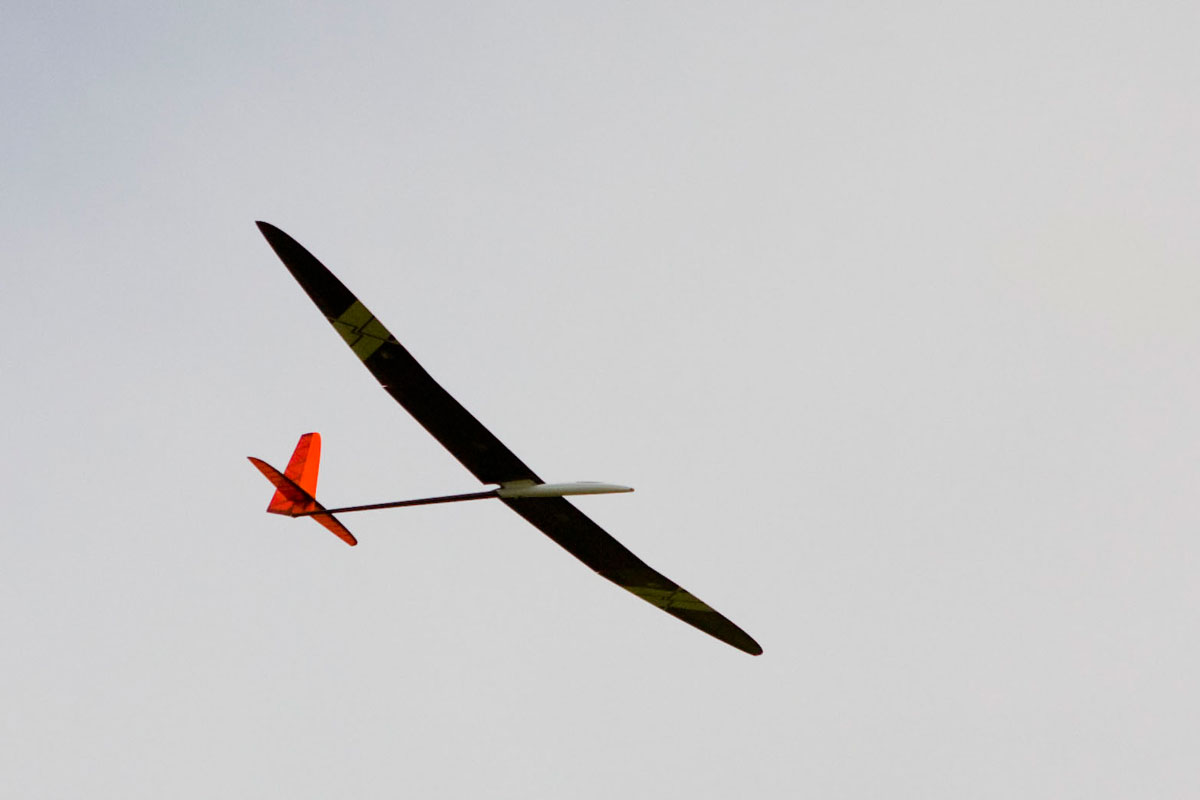

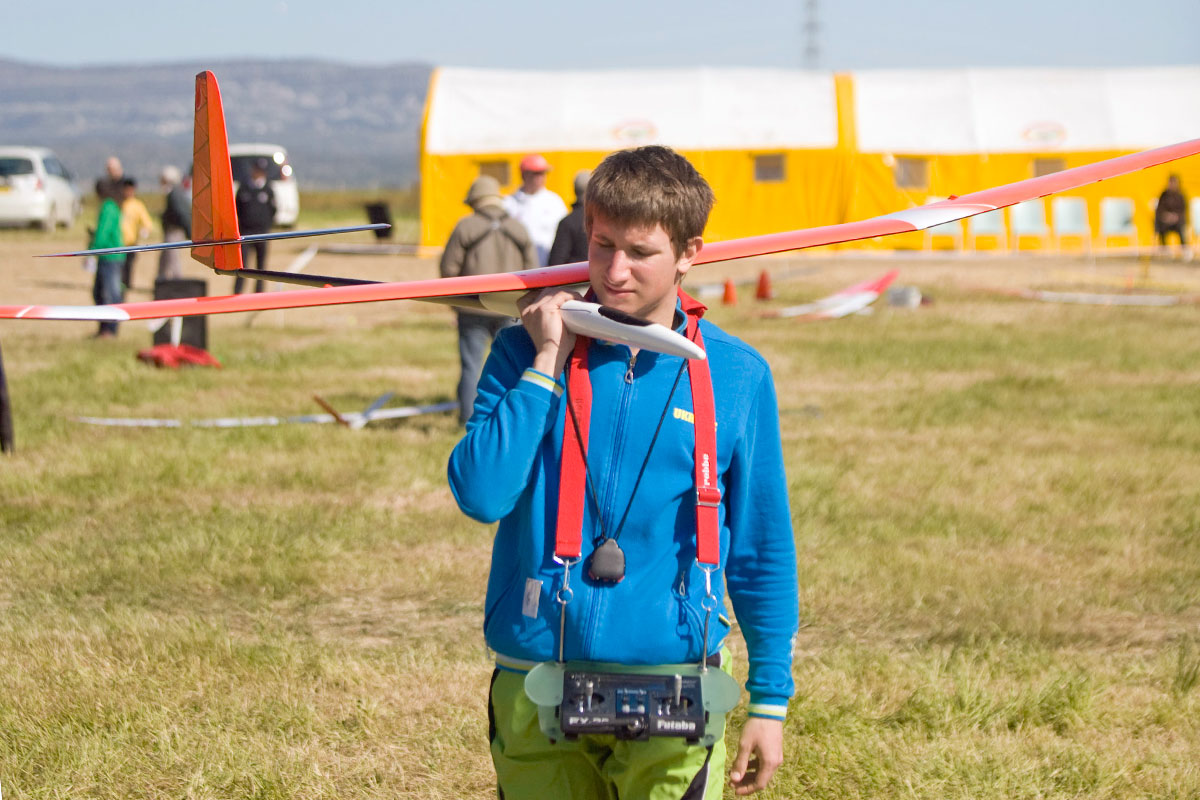

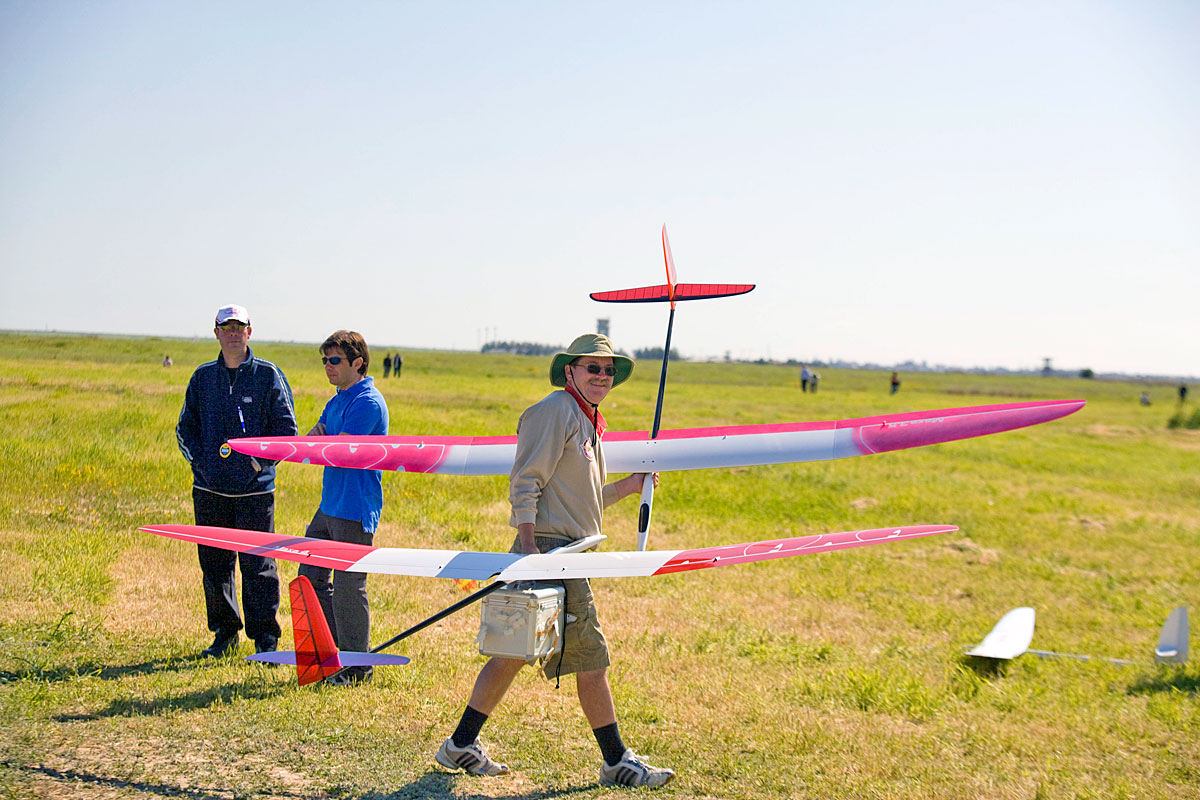
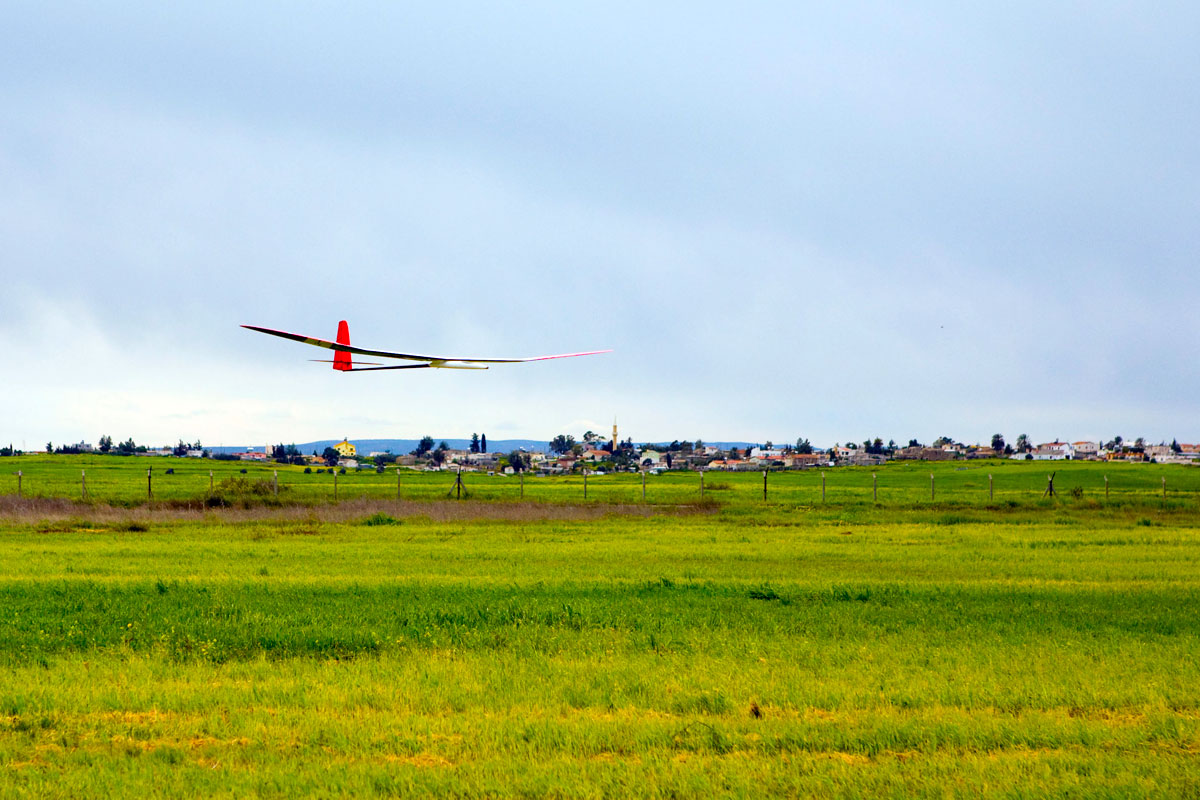
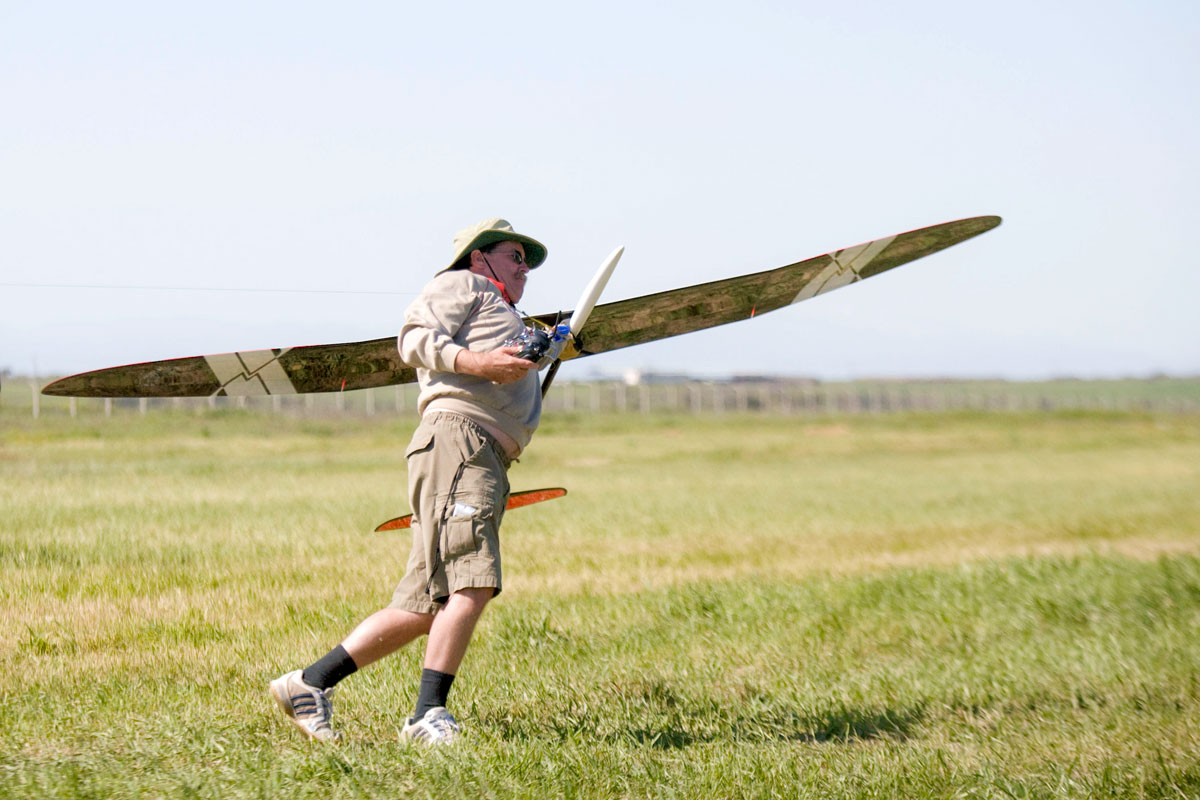
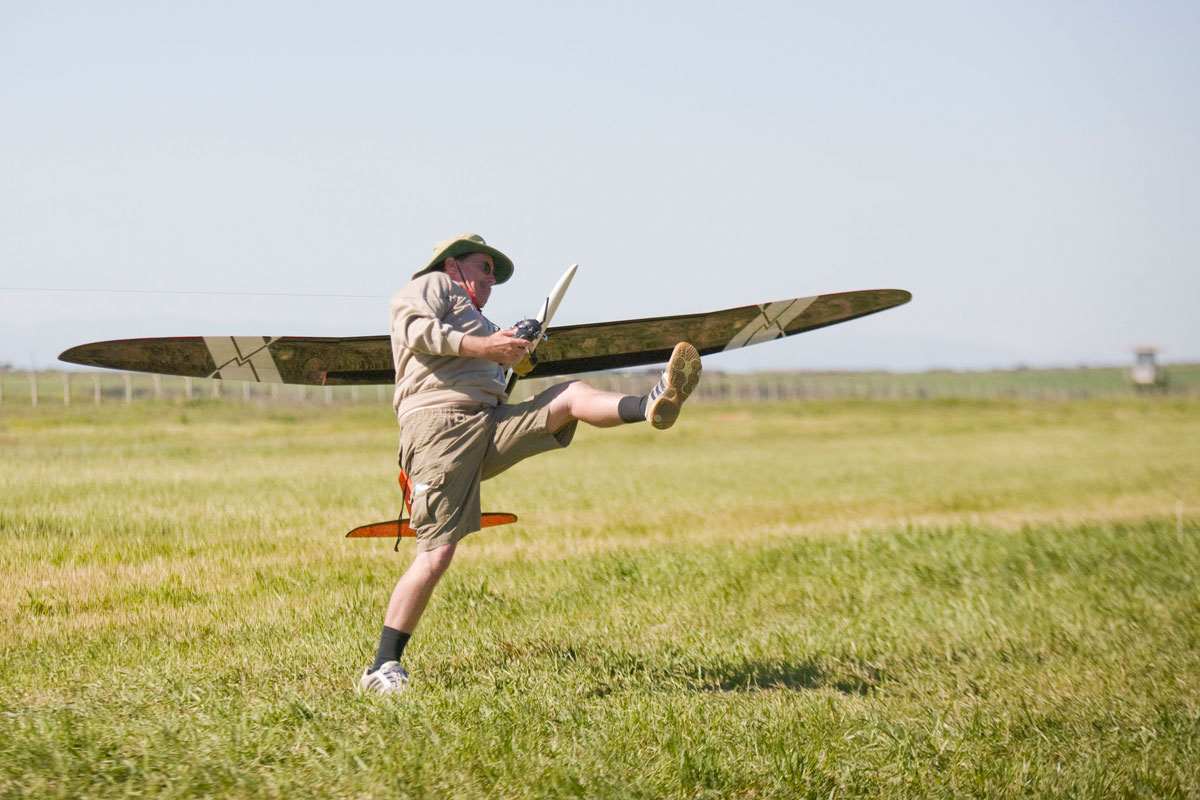
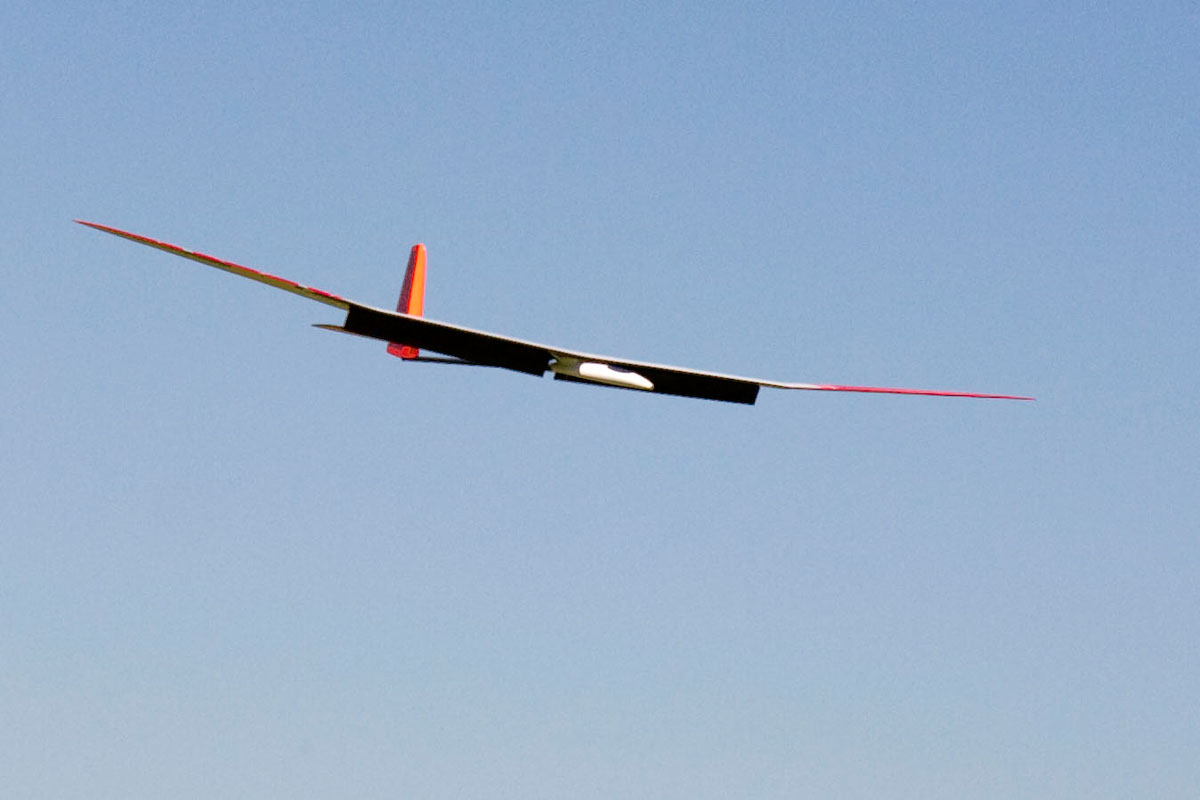
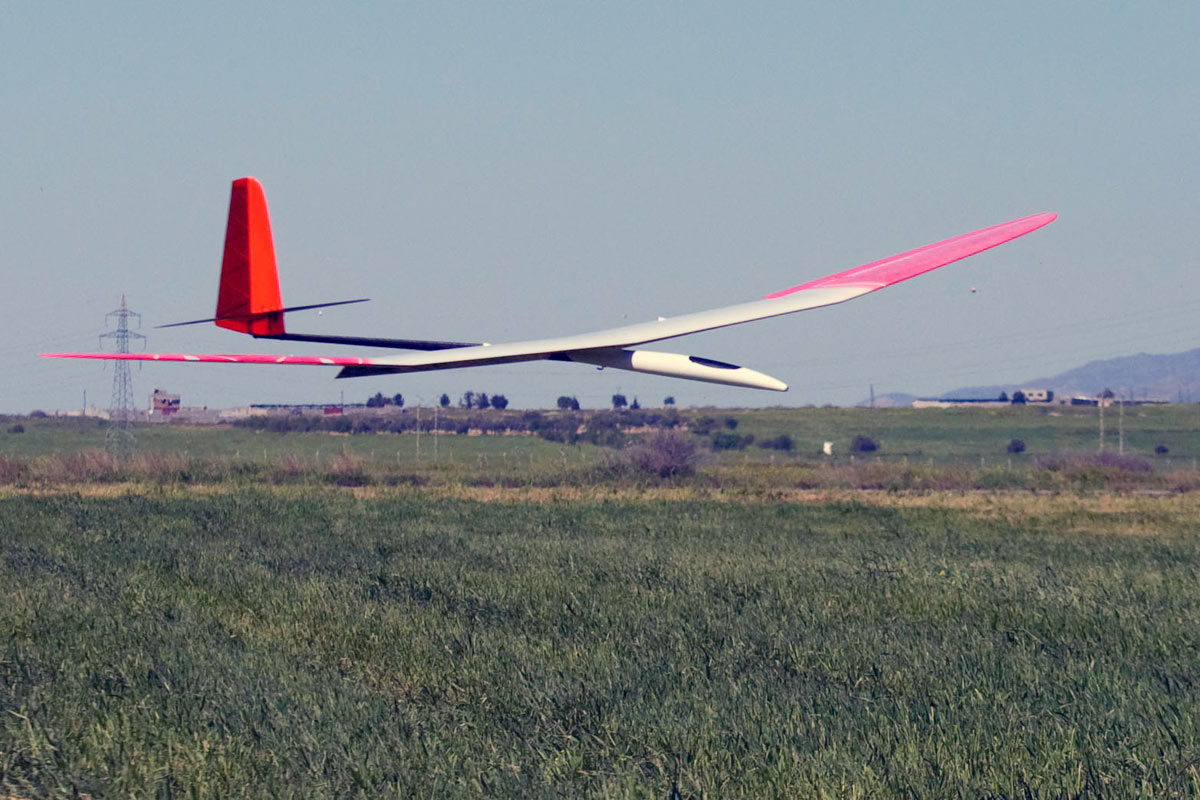
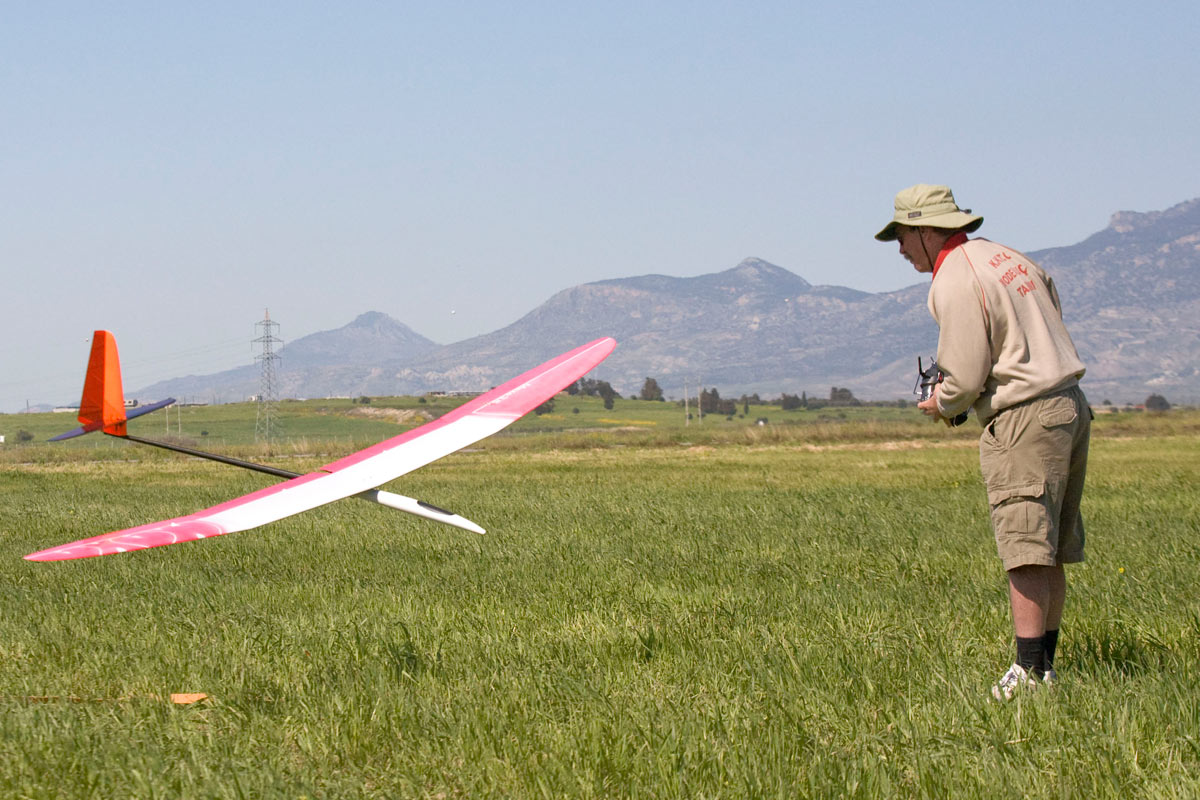
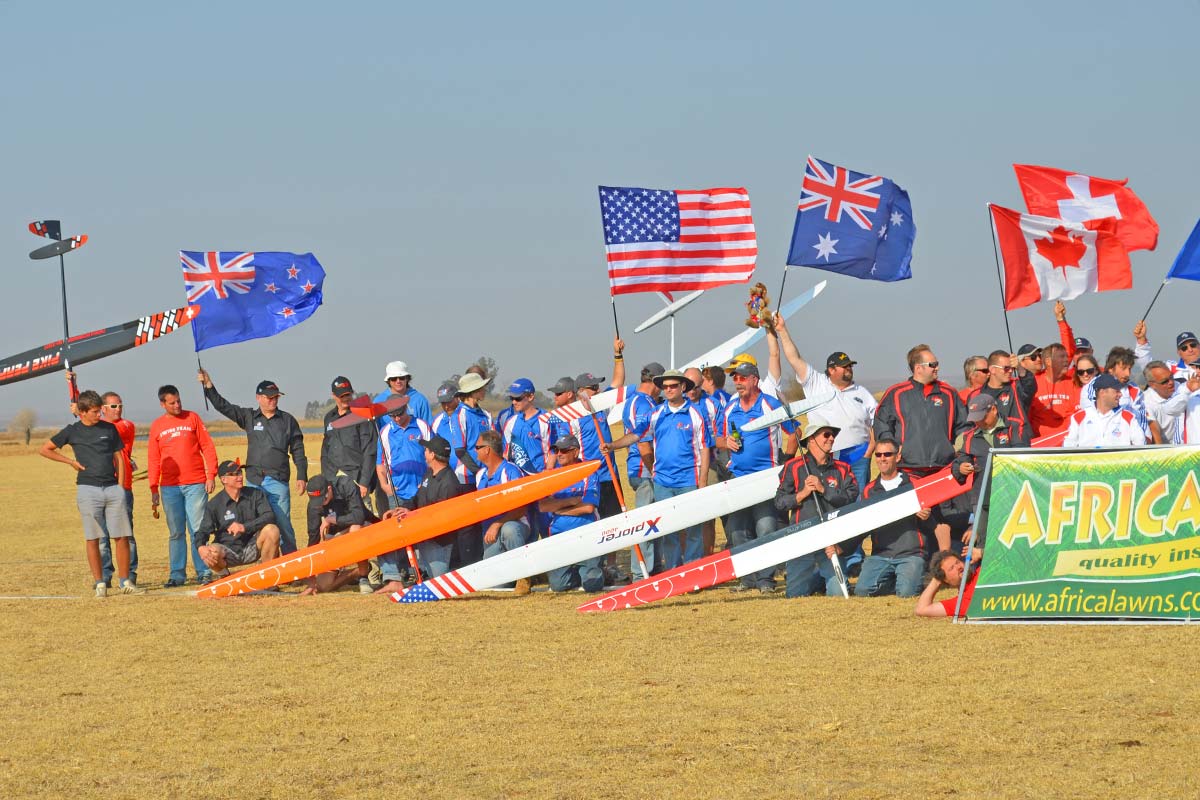
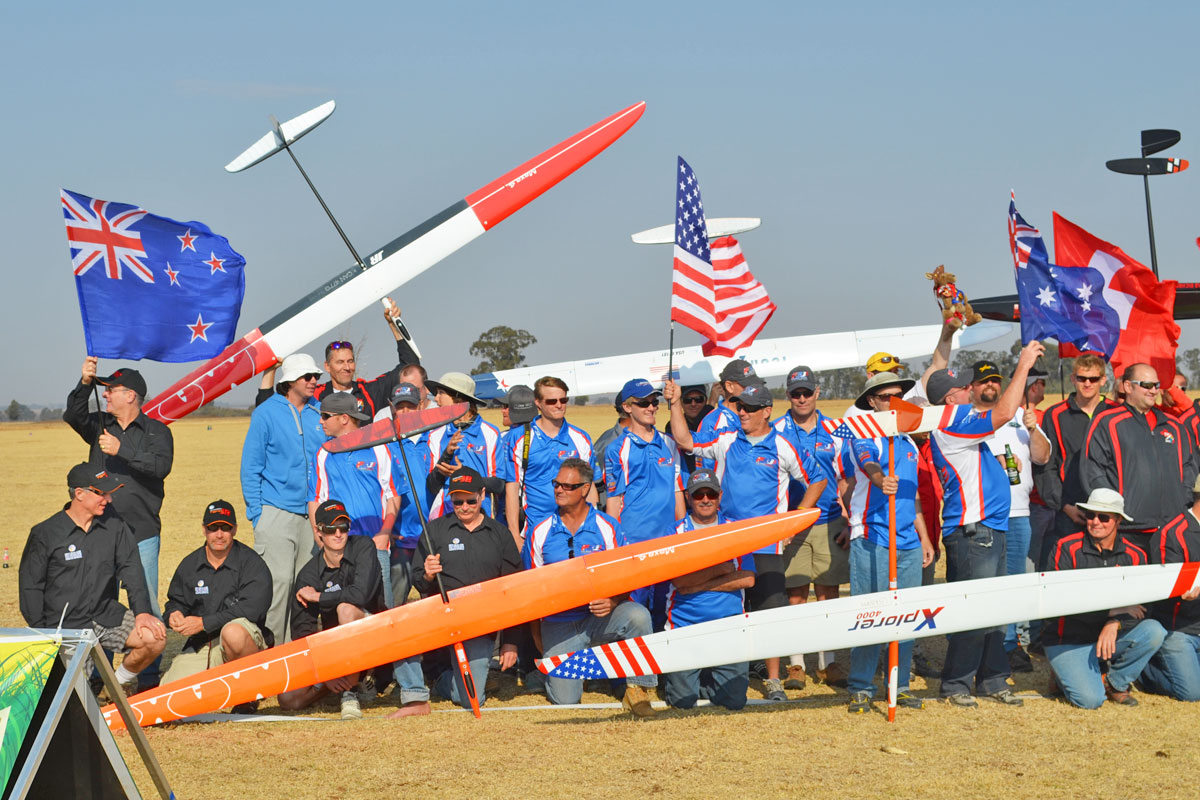
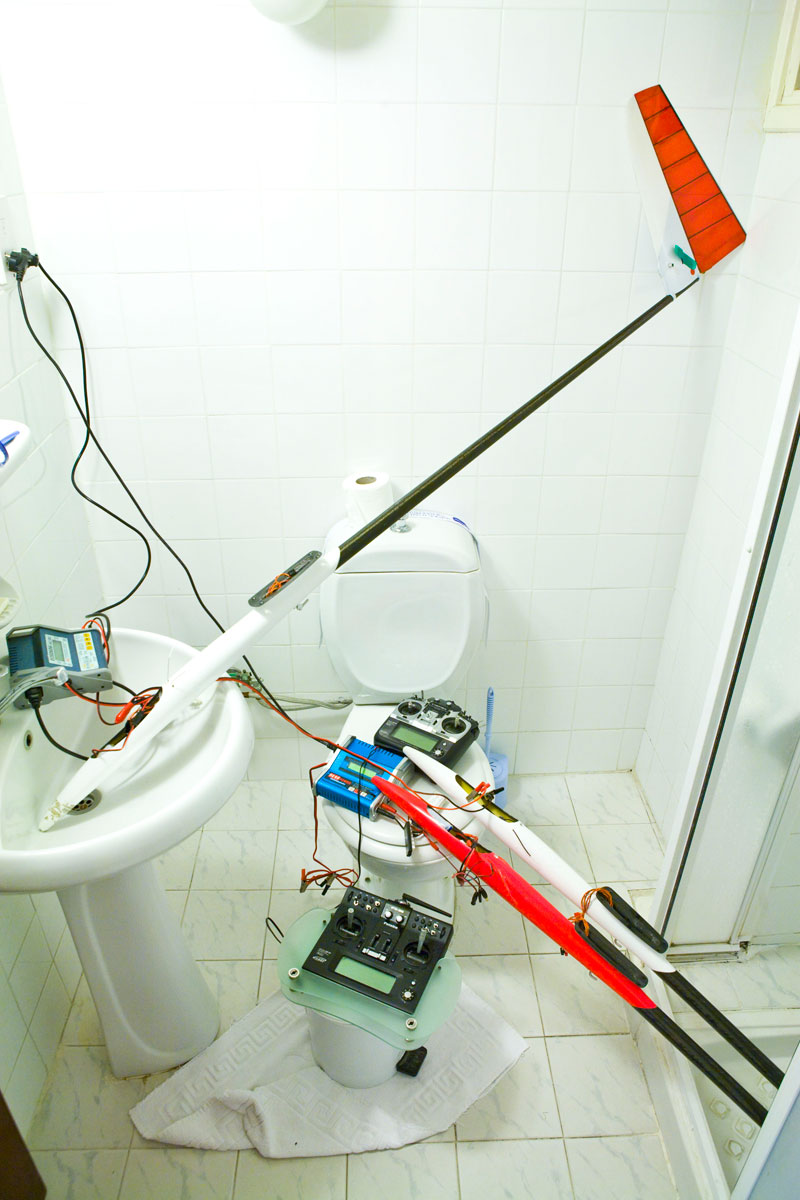
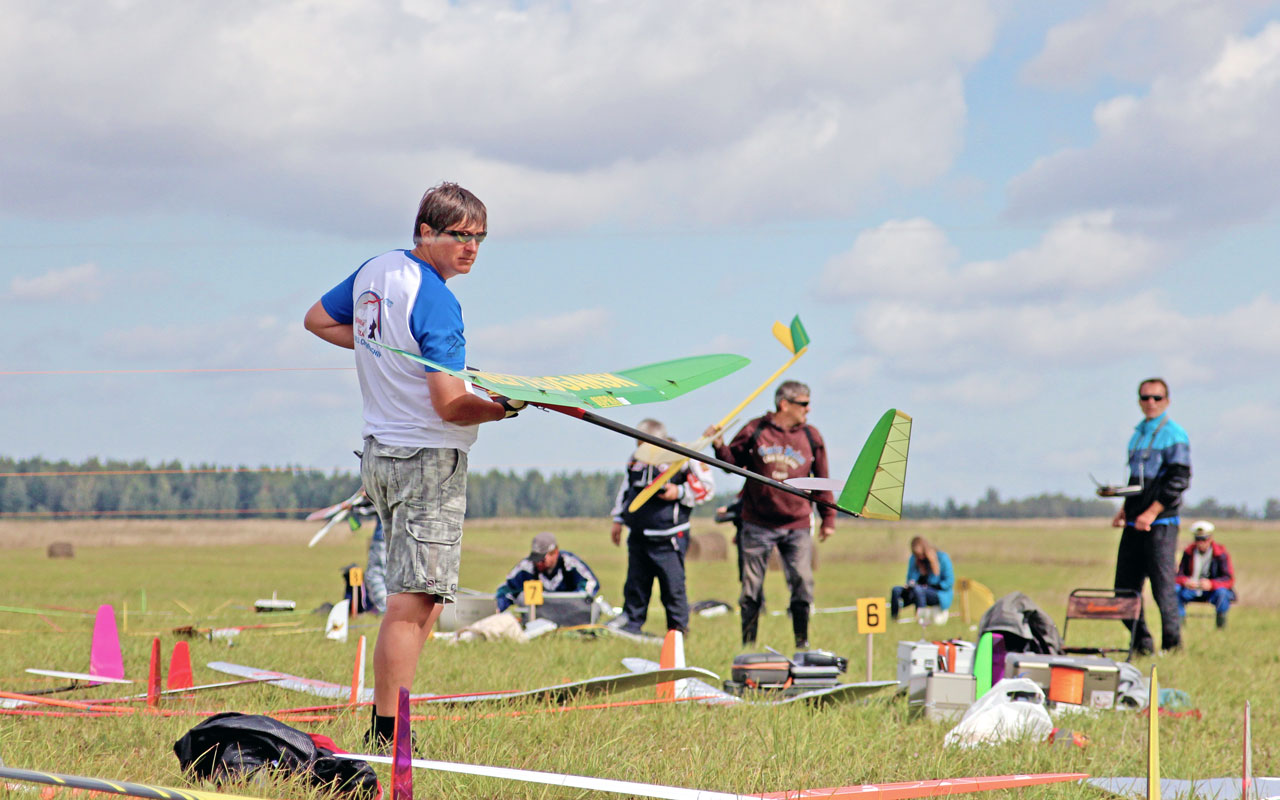
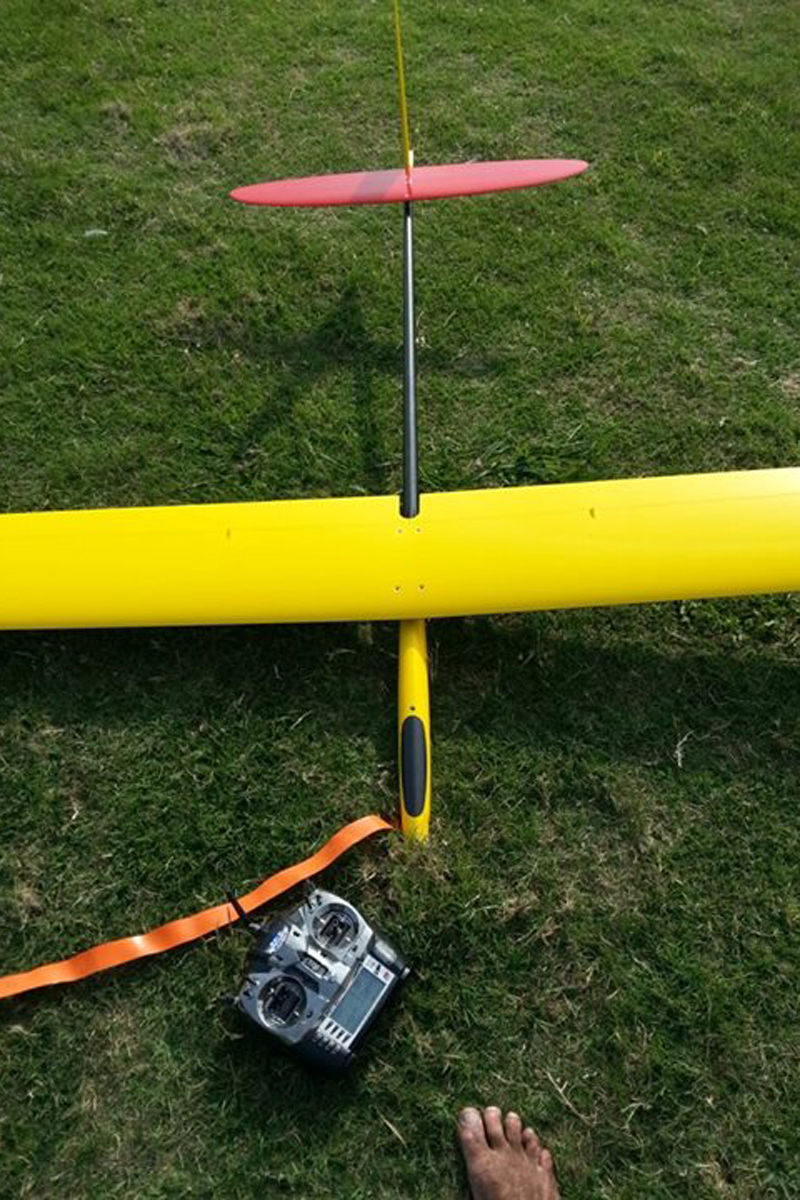

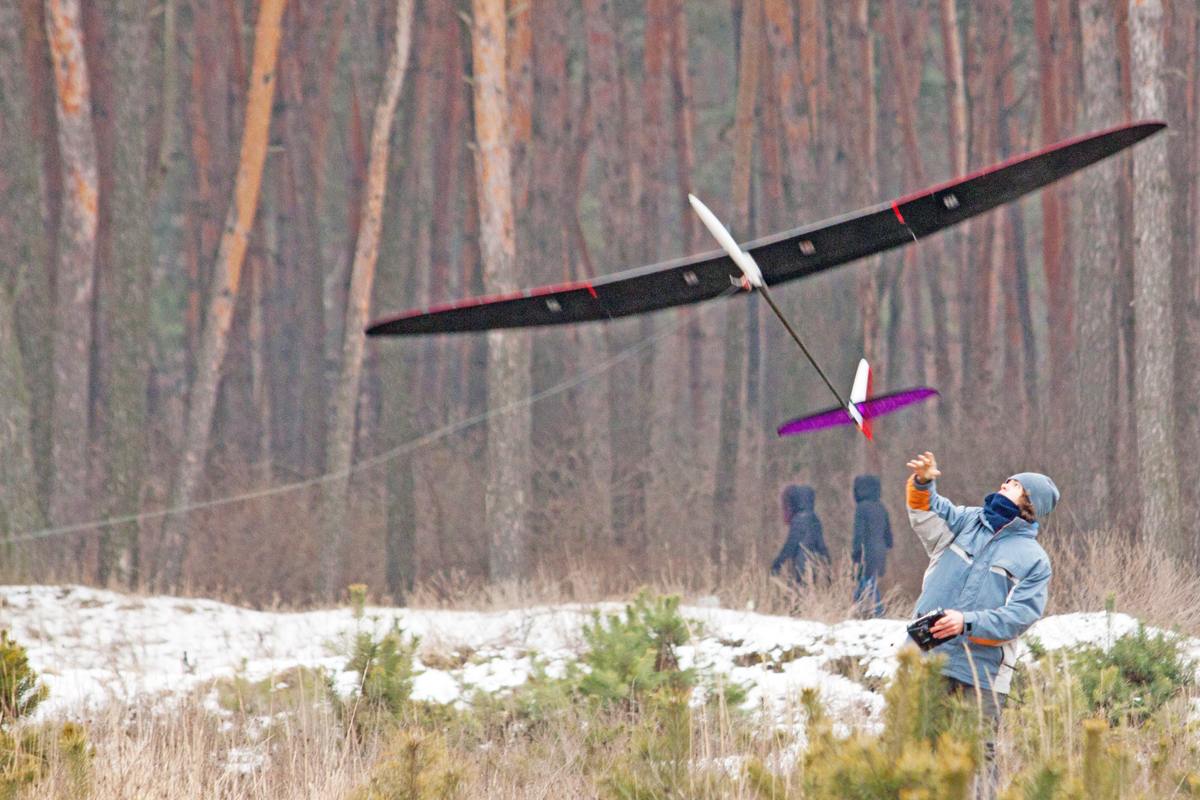
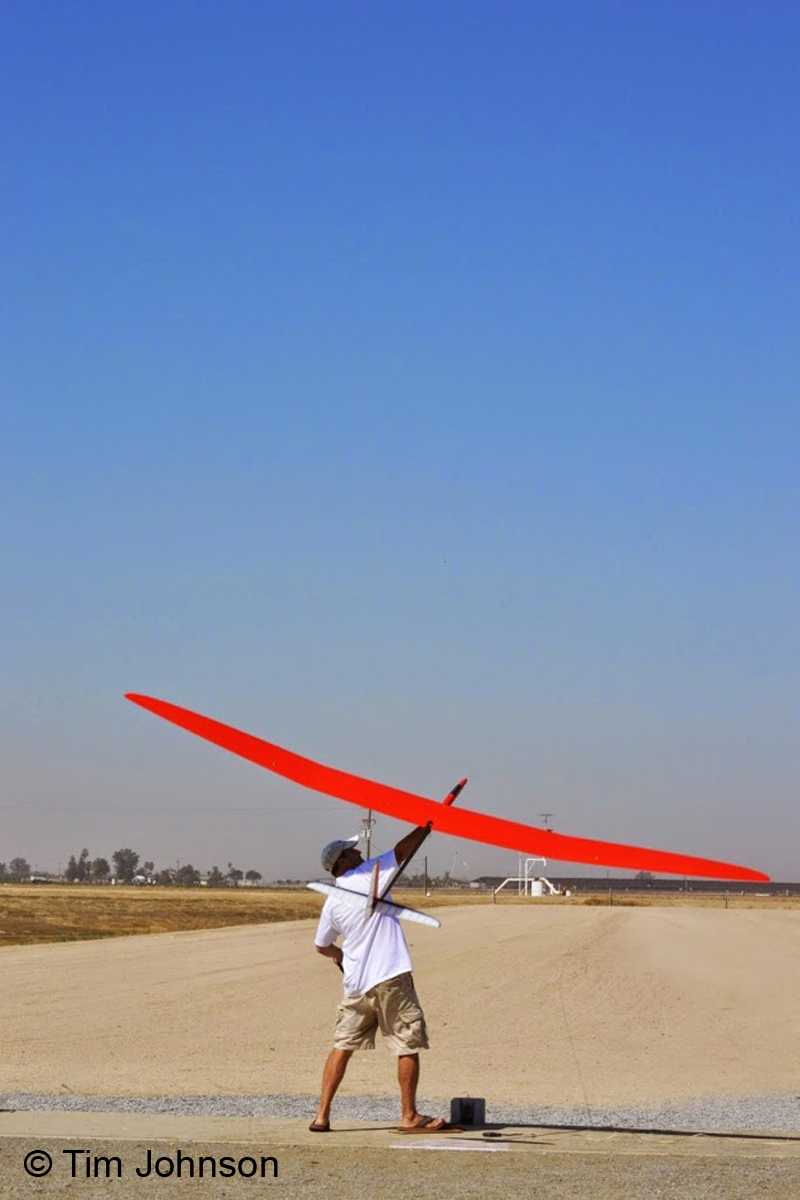
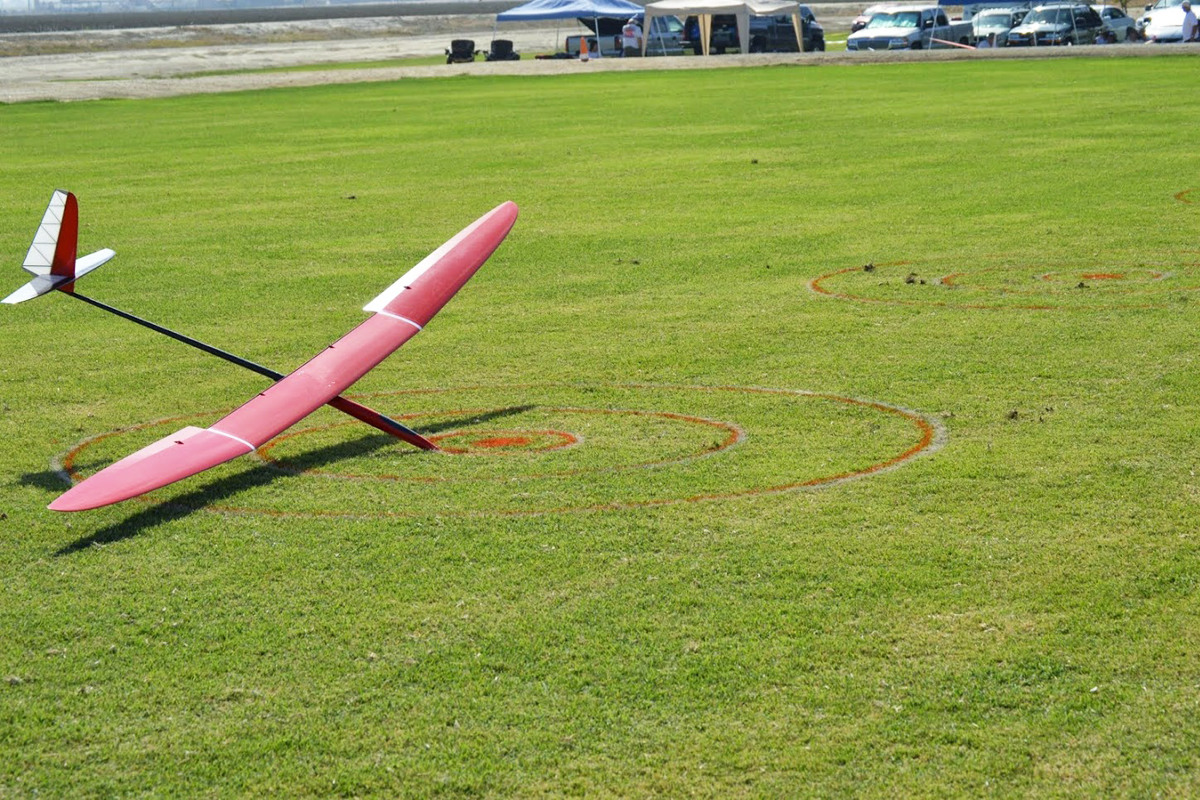
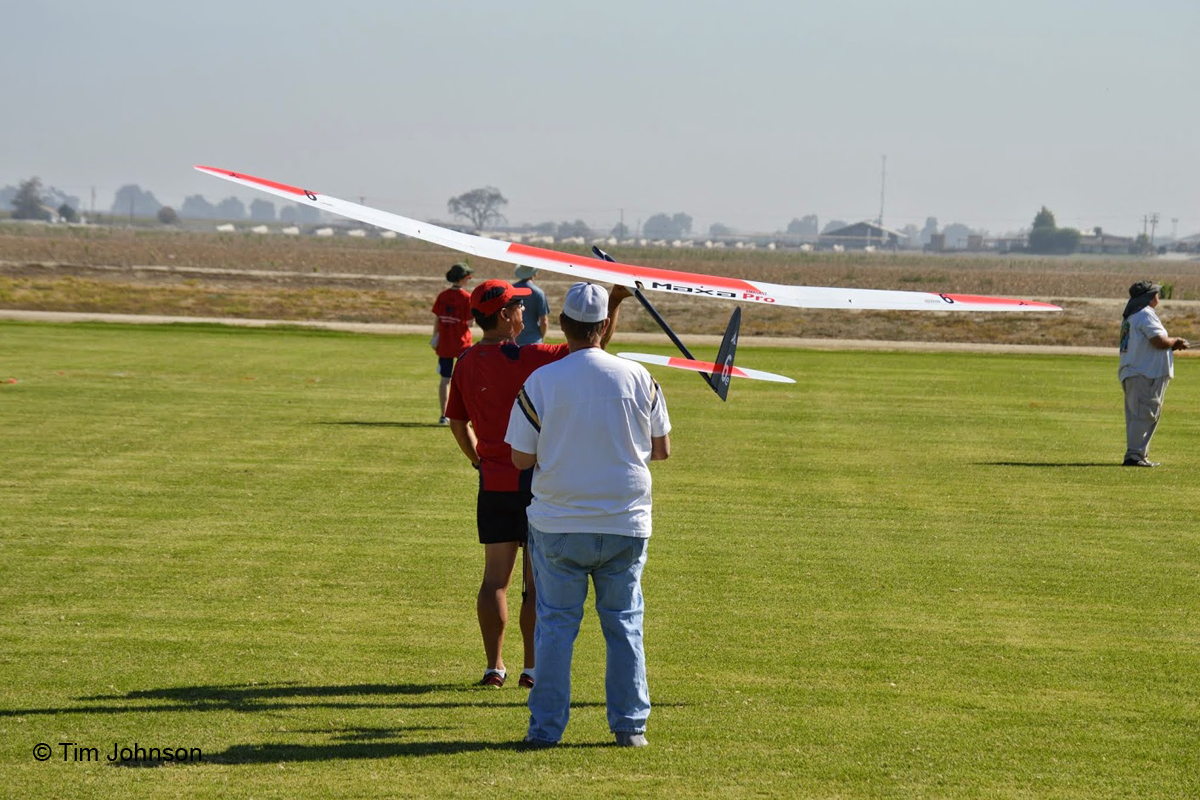
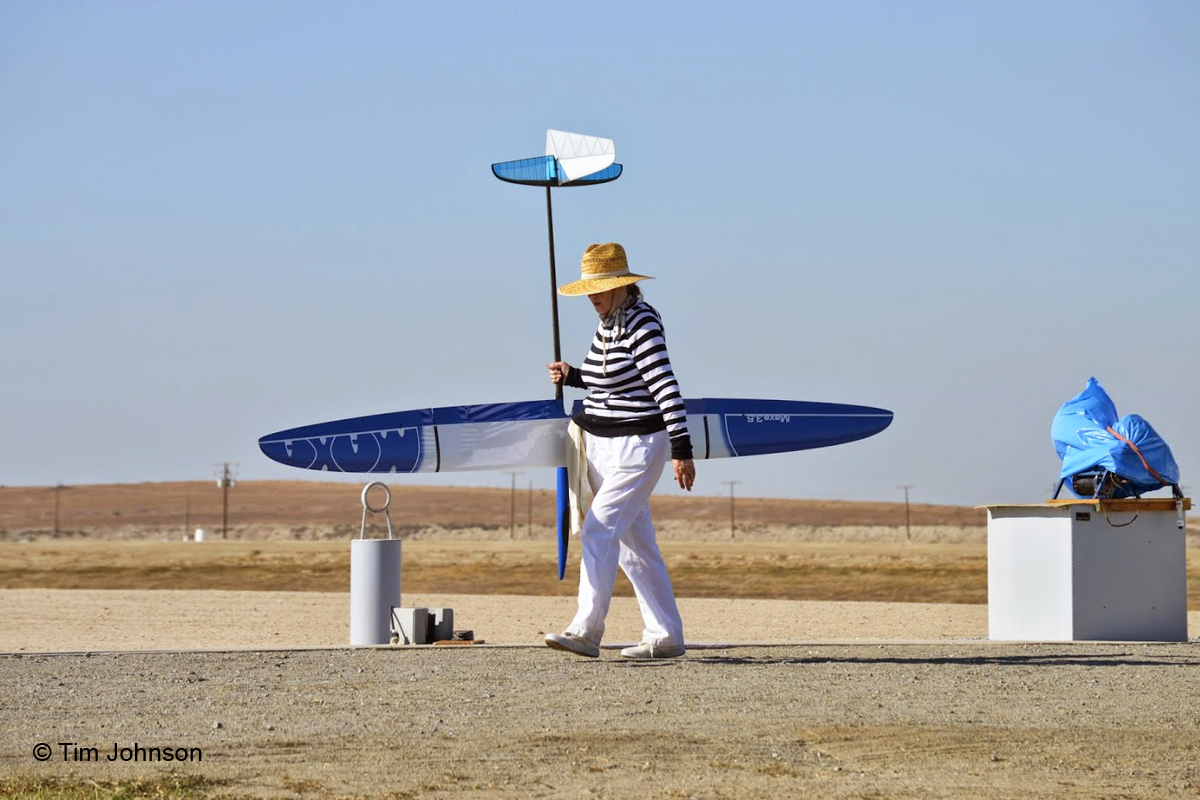
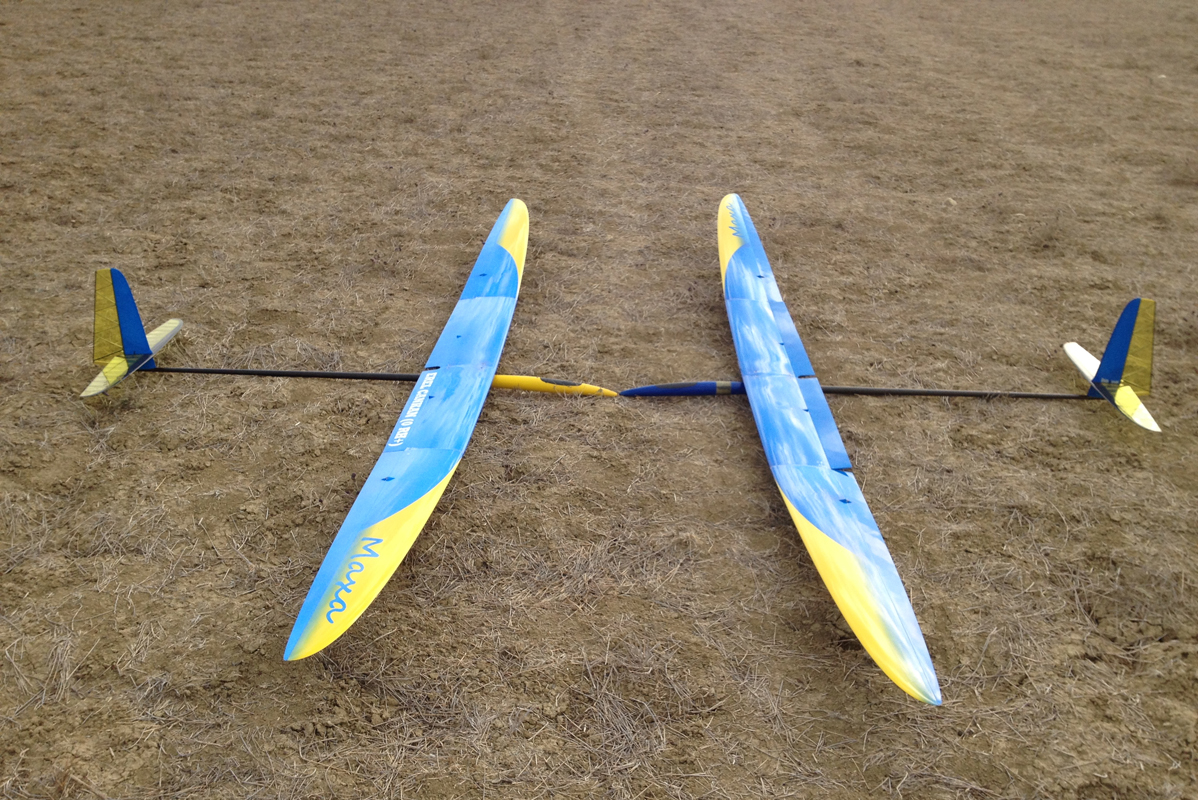
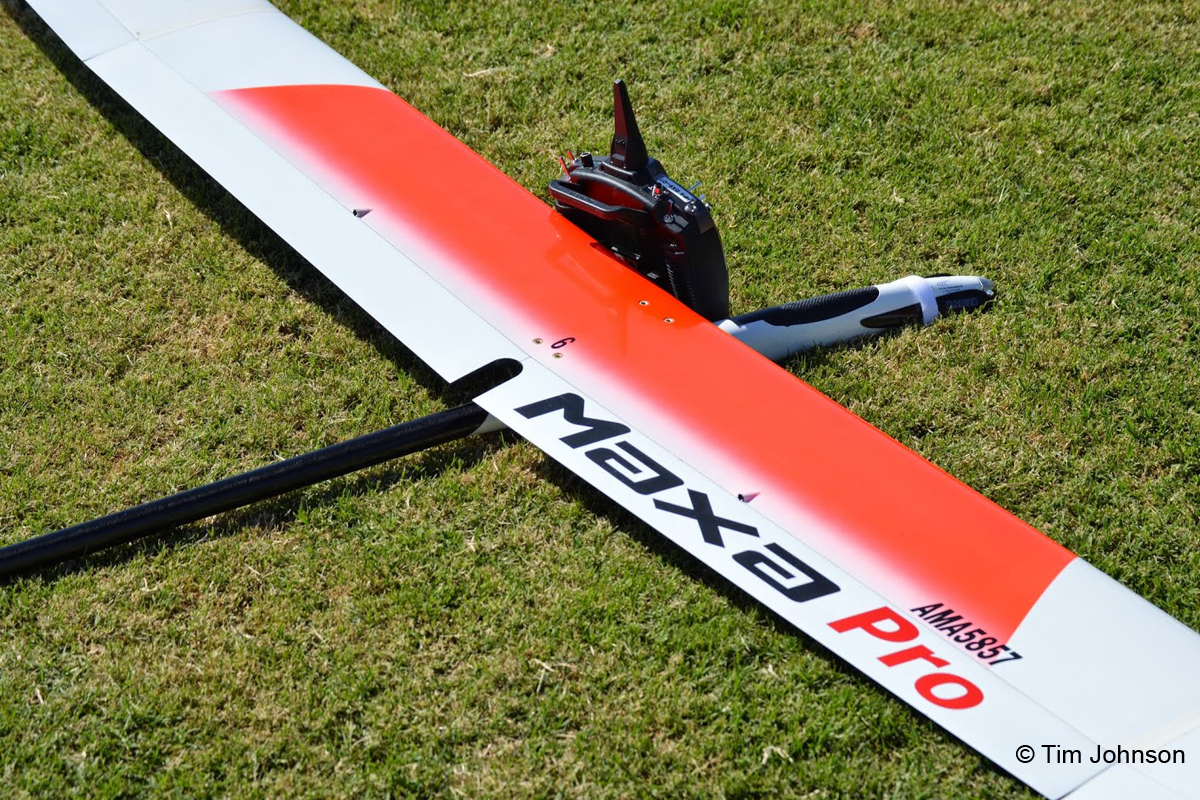
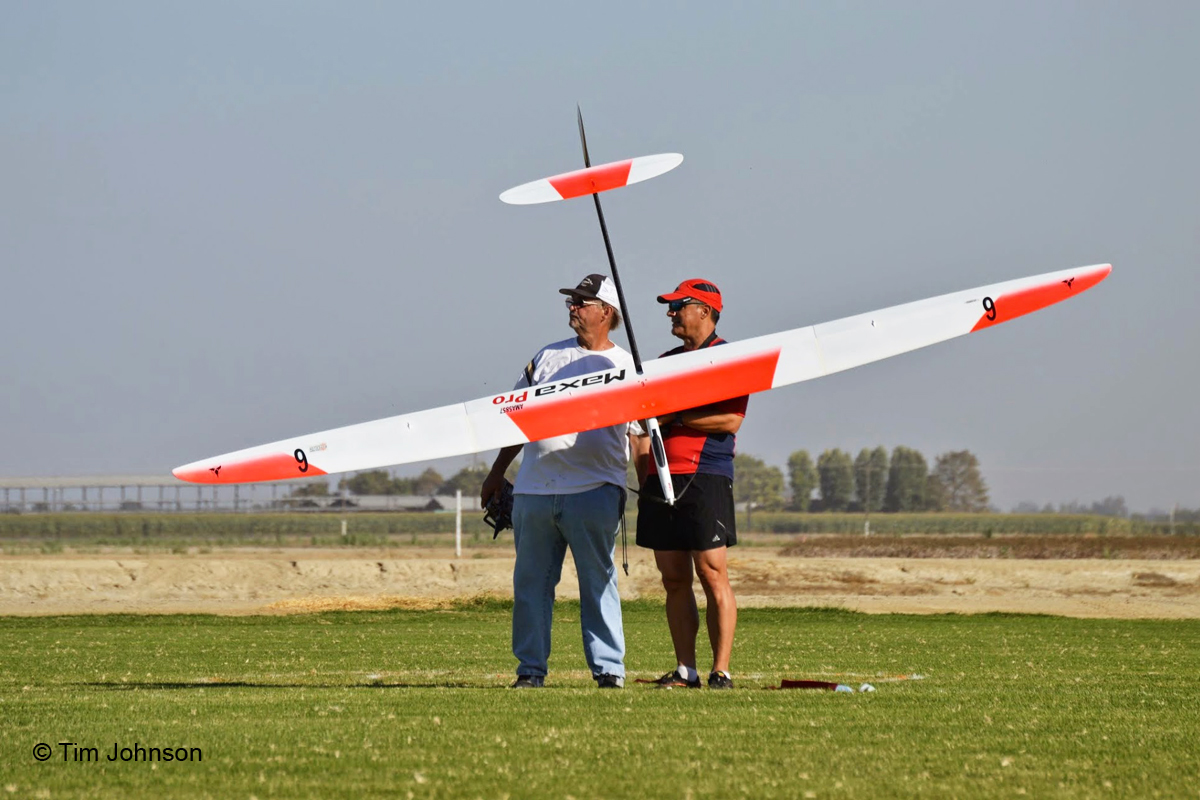
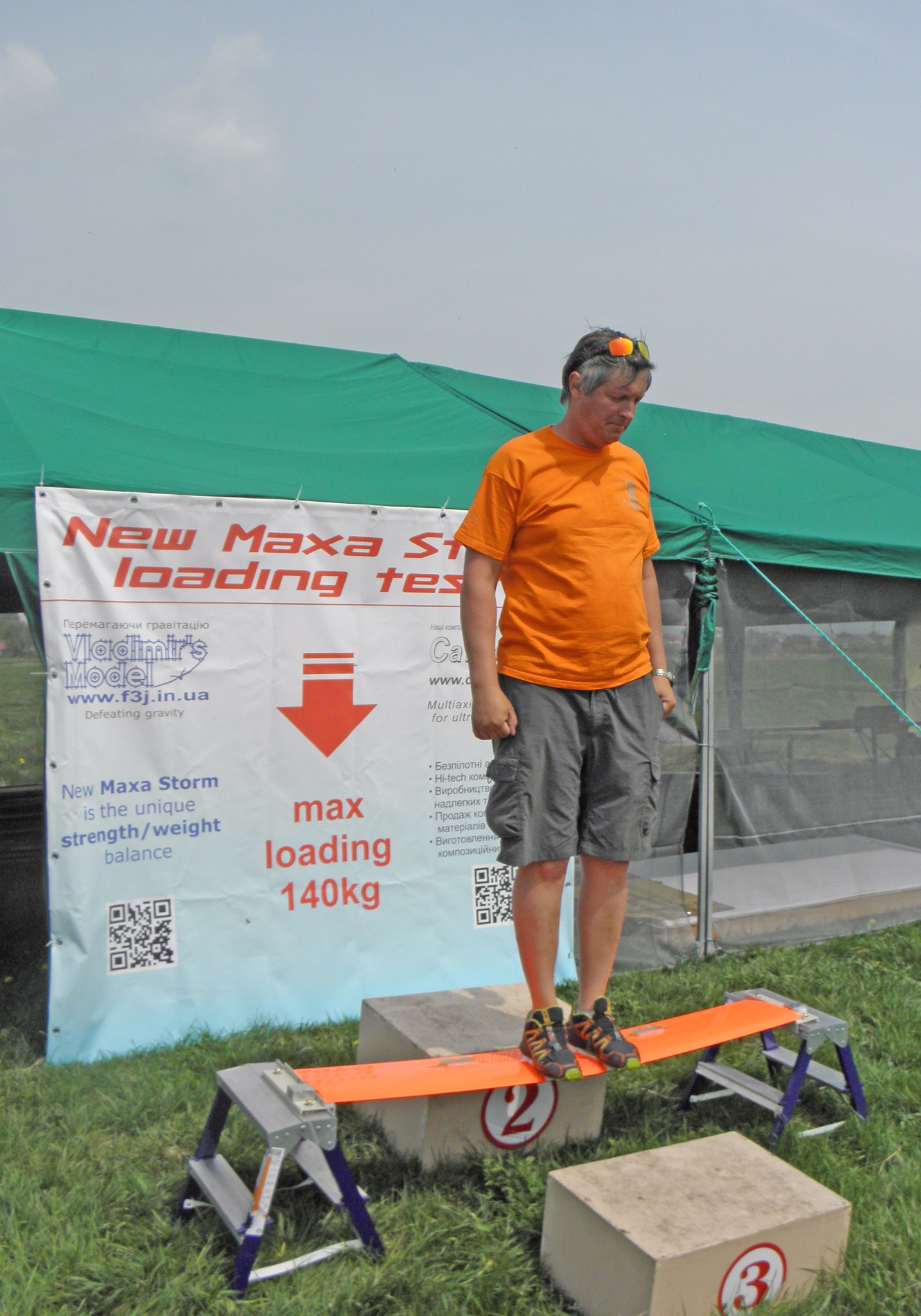
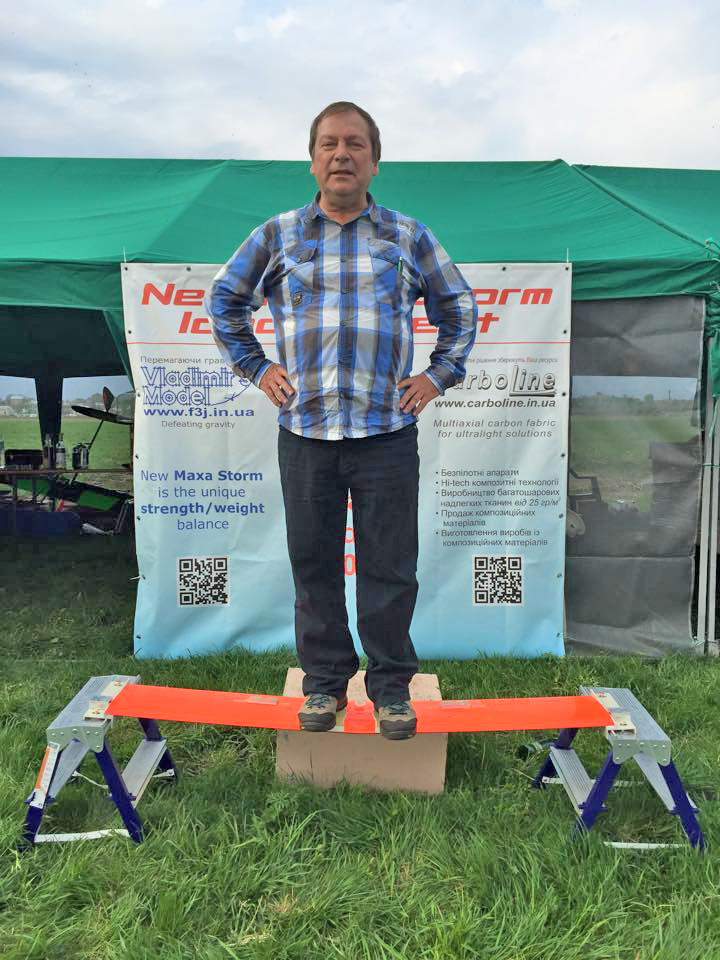
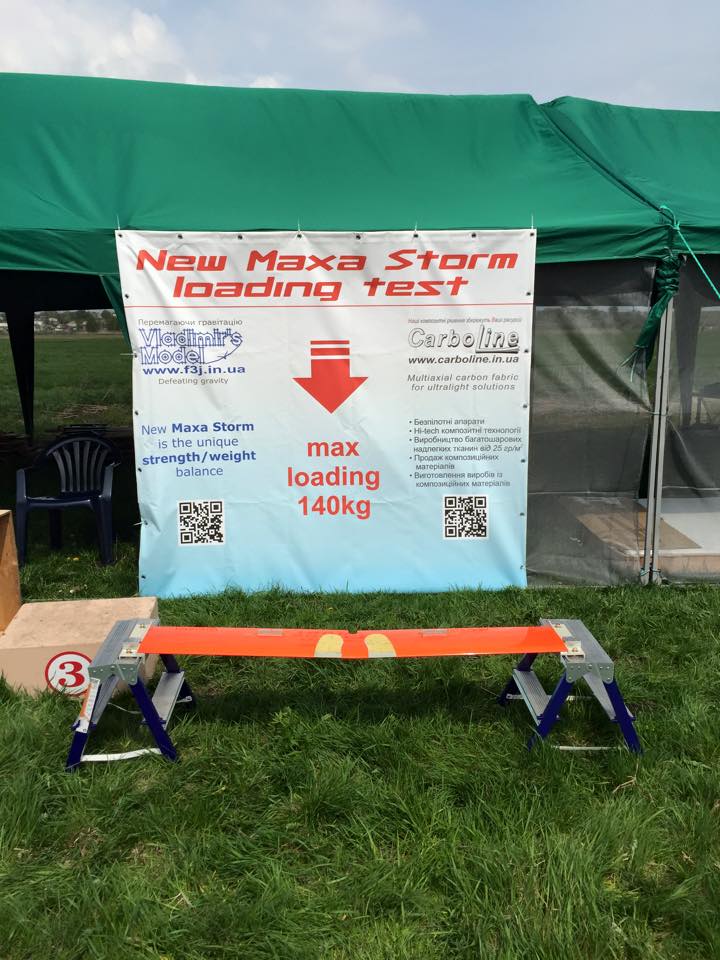
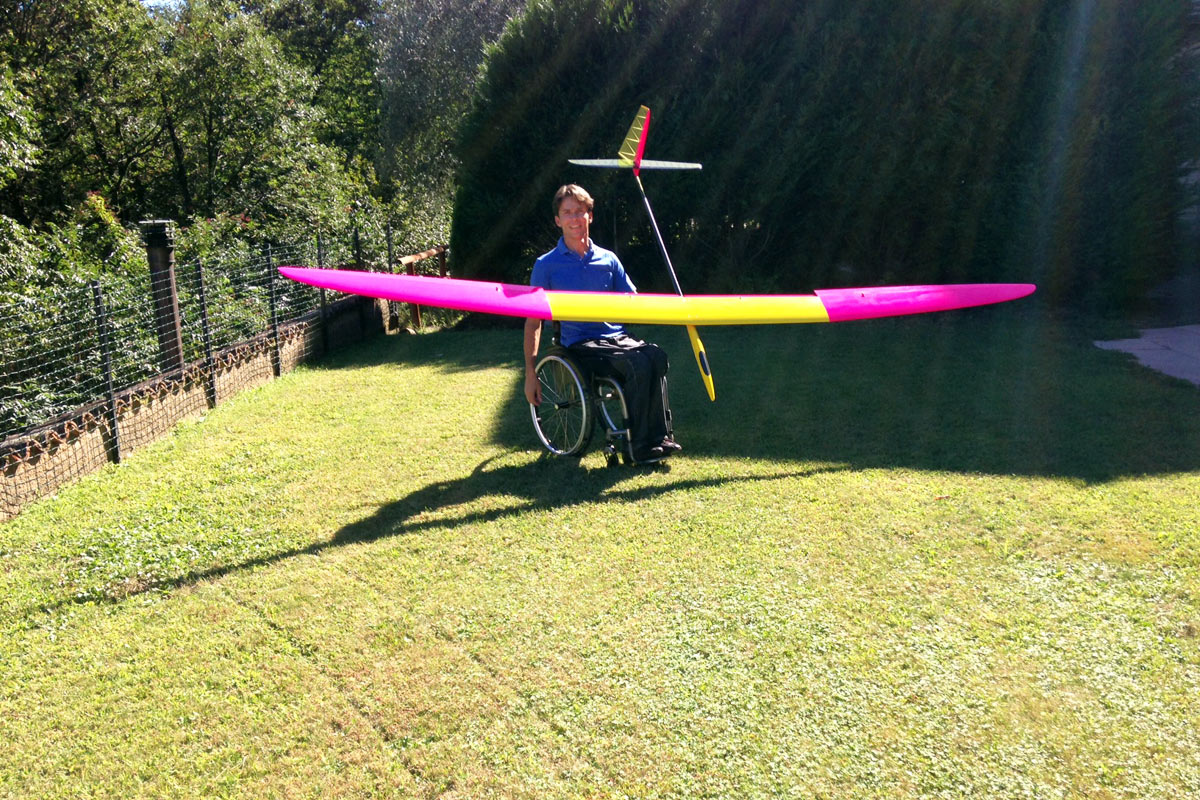
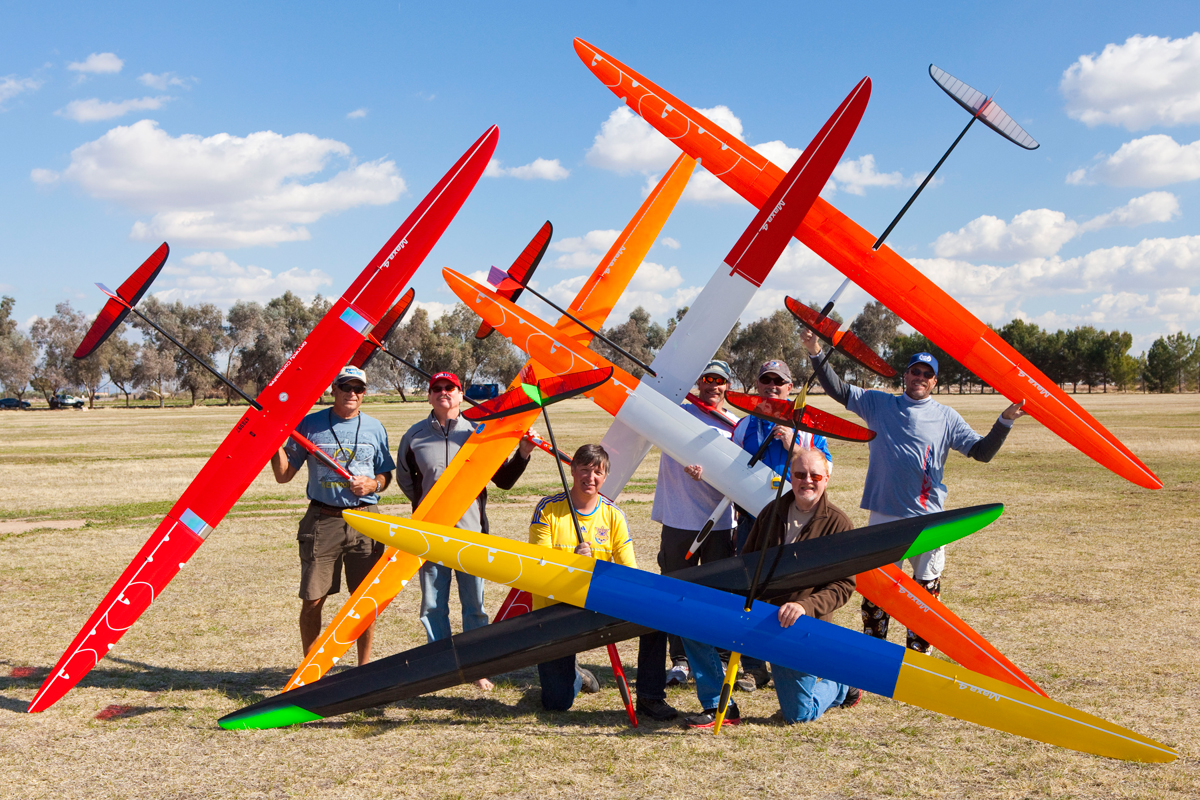
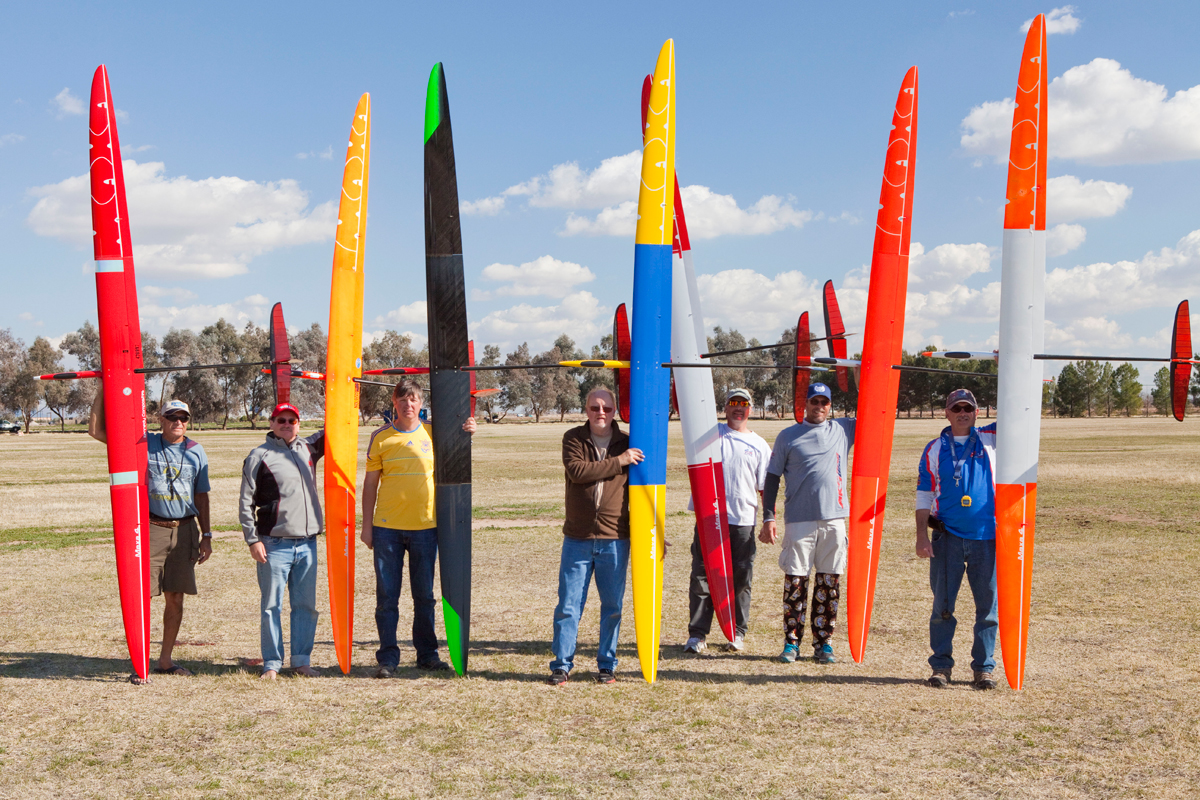
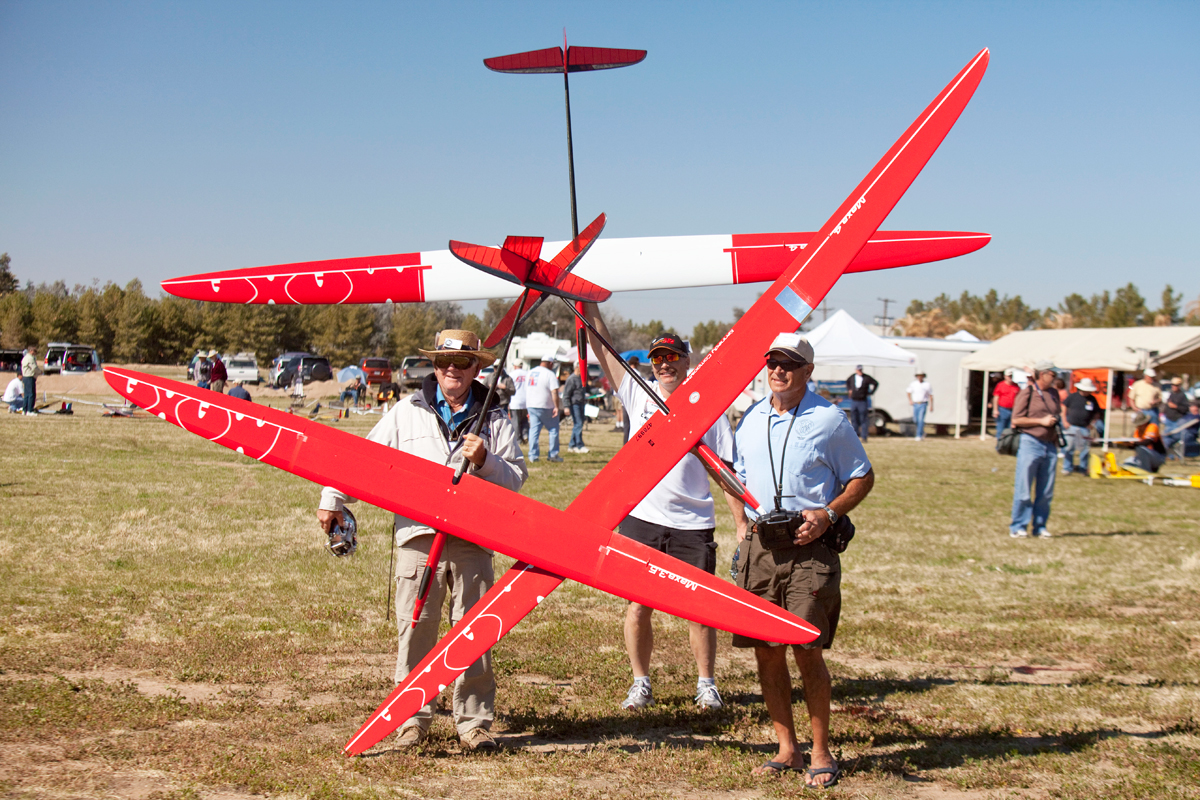
Contents of Maxa kit
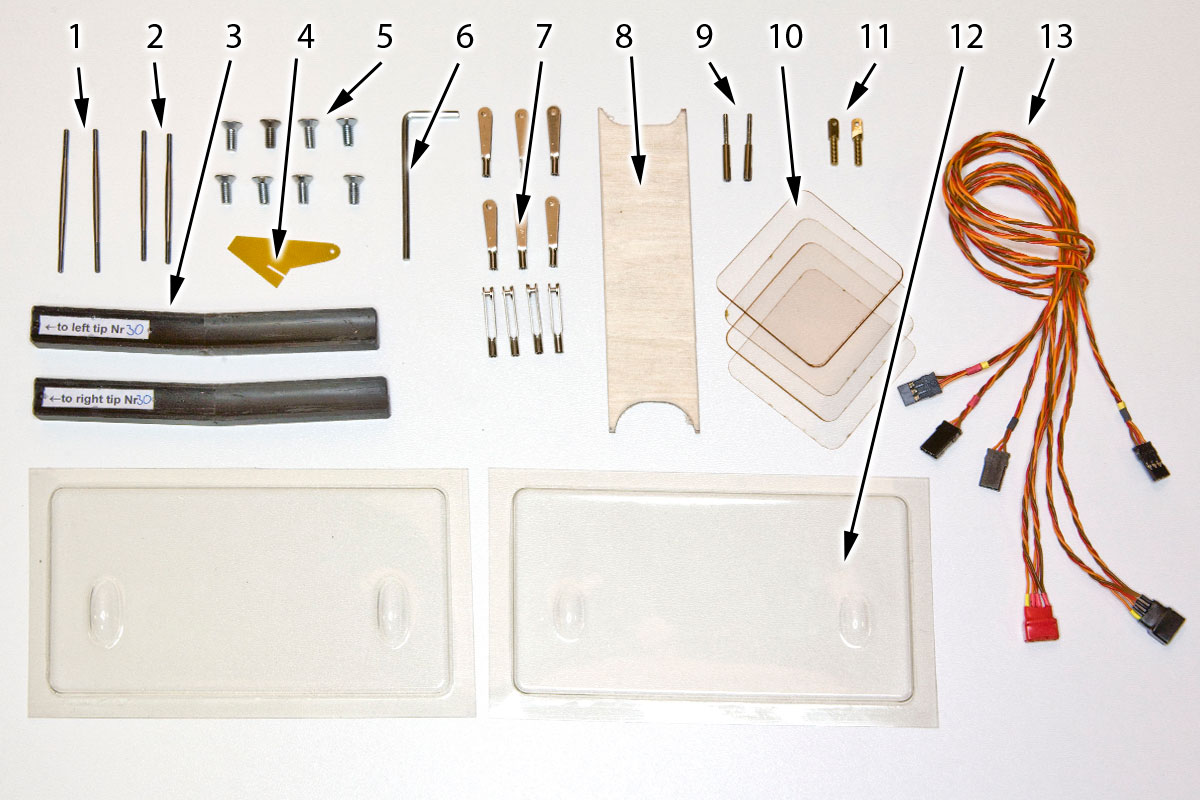
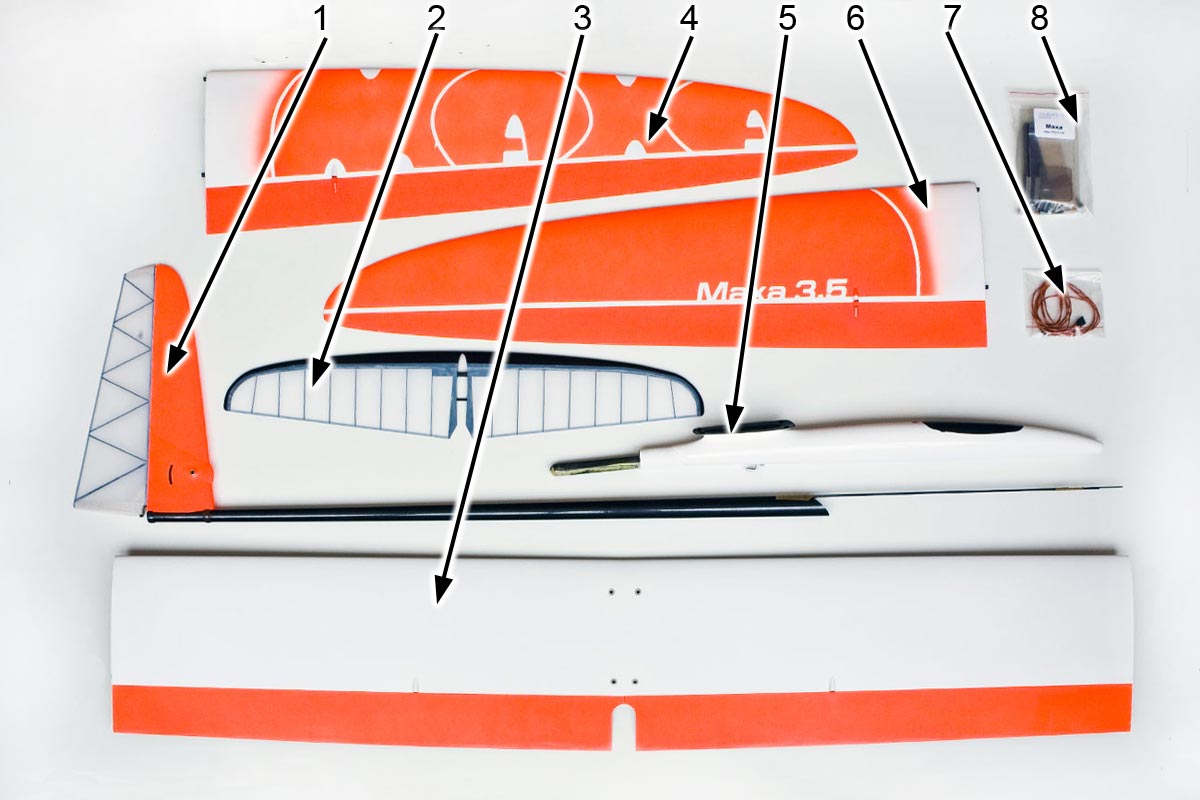
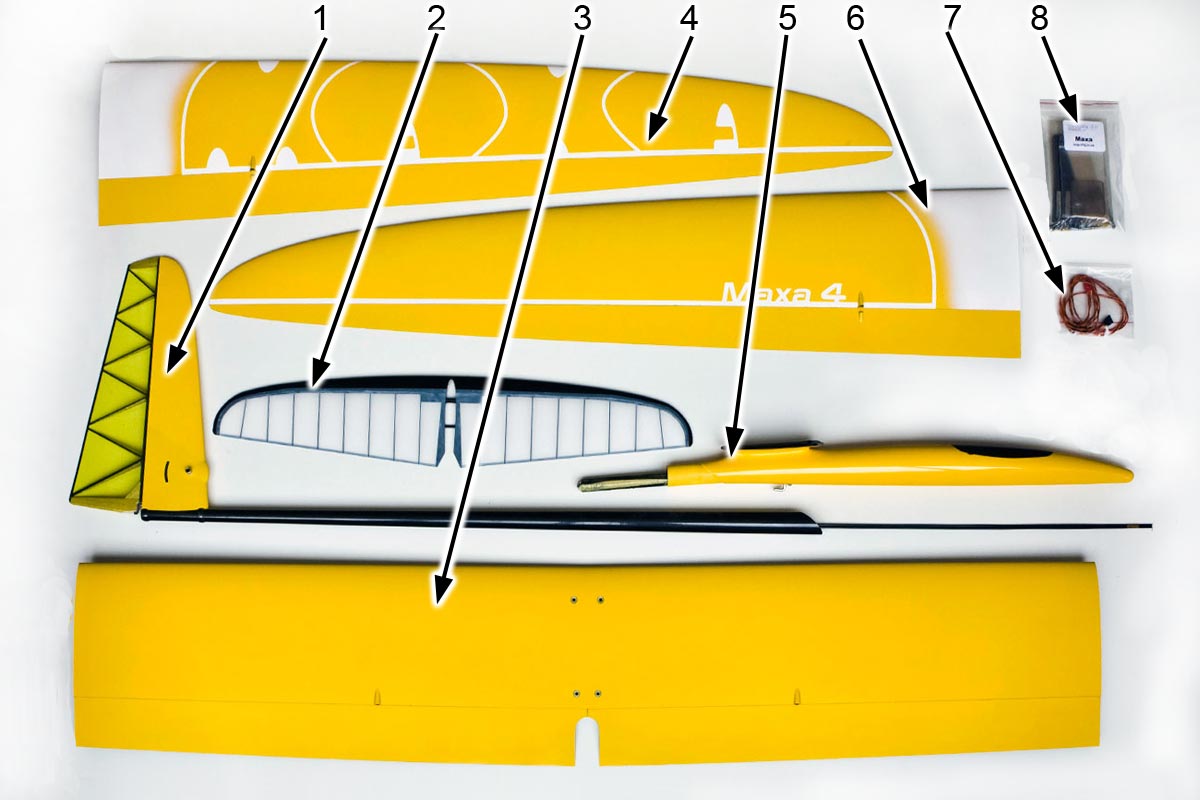
Contents of accessories kit:
1 – Flap pushrods (with M2 thread);
2 – Aileron pushrods (with M2 thread);
3 – Wing joiners;
4 – Rudder control horn;
5 – Wing and ballast mounting screws М4 (with three spare);
6 – Wrench for screws;
7 – Aileron, flap and tail clevises (with M2 thread);
8 – Fuselage servo tray;
9 – Couplers M2 for carbon rod;
10 – Flat wing servo hatches;
11 – Aileron control horns;
12 – Wing servo hatches with fairings for bigger servo horns;
13 – Wires for connect the receiver to the wing connectors.
Contents of part kit:
1 - Vertical stabilizer;
2 - Stabilizer;
3 - Central panel;
4 - Right wing tip;
5 - Fuselage;
6 - Left wing tip;
7 - Wing servo hatches with fairings for bigger servo horns;
8 - Contents of Maxa kit.
Contents of Maxa 4m F5j Long tail
Recommended equipment not included to the kit
1) Ballast
2) Batteries:
Shread-RC Smart Li-Po 650mAh;
Sanyo 4 cells NiMH 1500 mAh;
Sanyo 5 cells NiMH 1500 mAh;
3) Servos:
MKS DS6125; JR DS378; AIRTRONICS 94761Z – for flaps, horizontal stabilizer and Maxa 4m ailerons;
JR 285MG; MKS DS6125 – for ailerons and vertical stabilizer of Maxa 3.5m
4) Recivers:
Spectrum AR9000 (JR R921);
Futaba 6008HS;
Weatronic Micro 8 Dual Receiver 2.4 Dual FHSS.
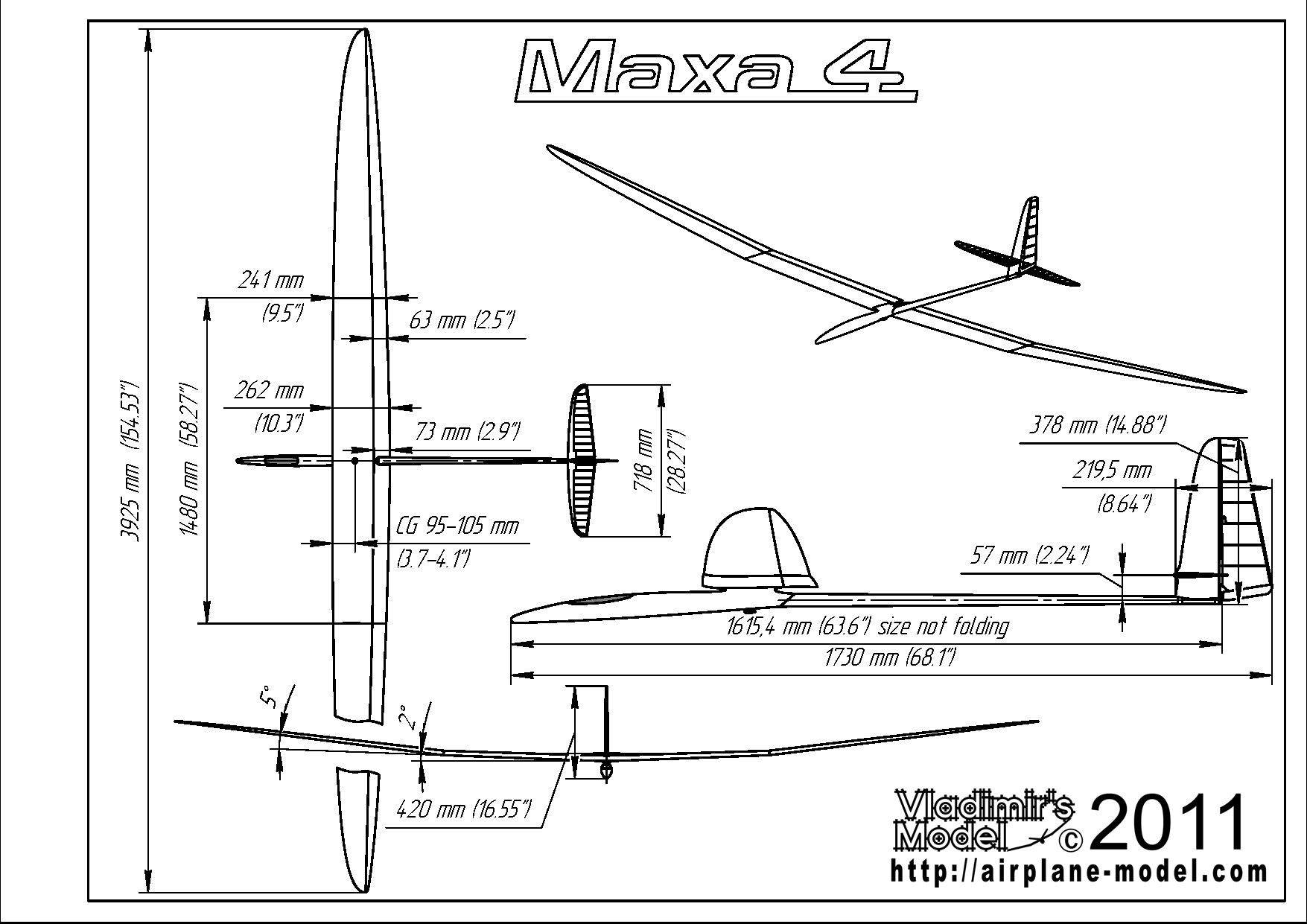
Technical data of Maxa family |
|||||
|
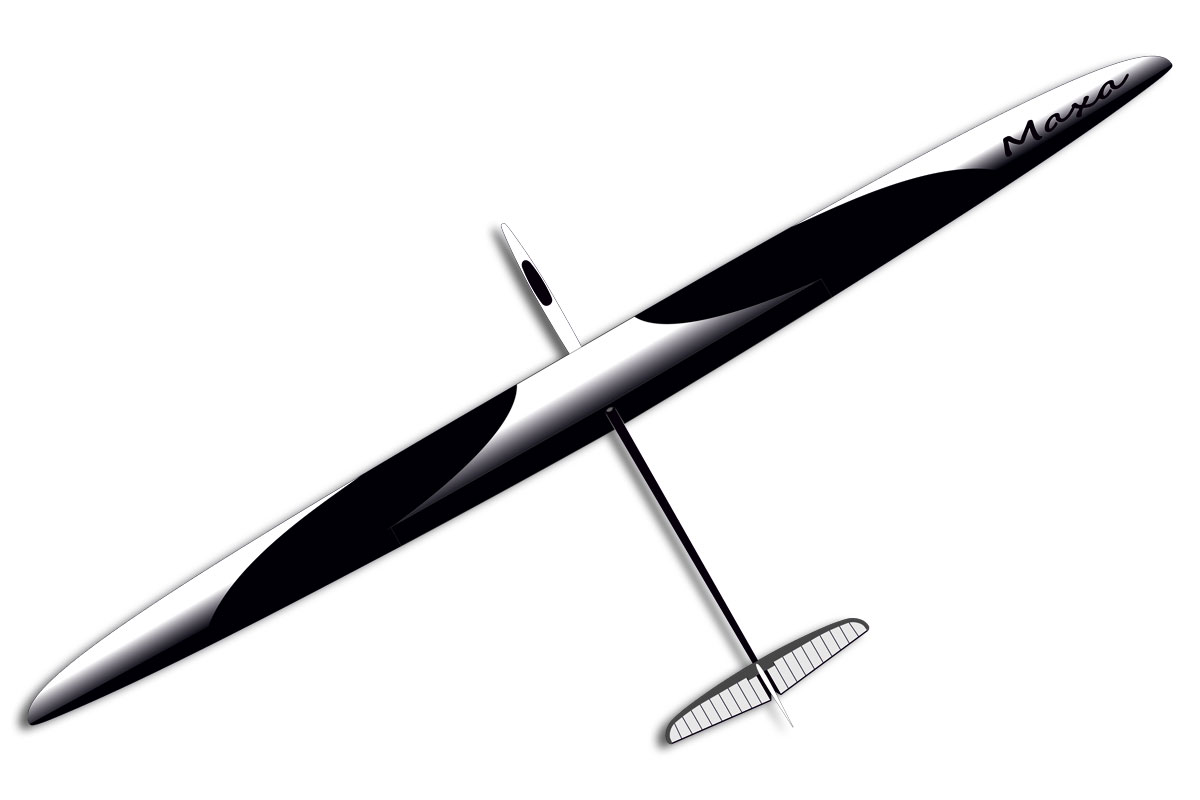
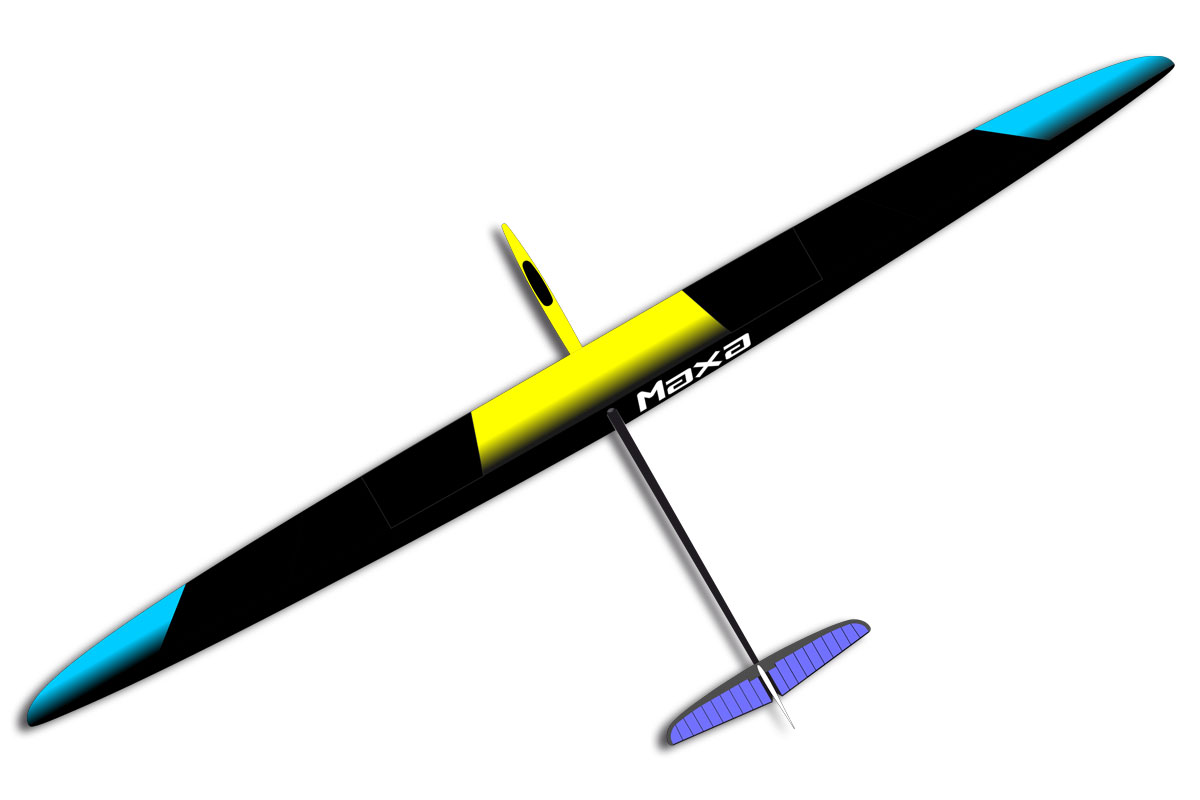
Click on the model name to paint it |
|||||
|
Modification of the model |
Light |
Windy |
Light |
Windy | Storm |
|
The recommended speed limit for the use of wind m/sec |
≤6 |
≤10 |
≤5 |
≤8 | ≤12 |
|
Aerodynamic characteristics |
|||||
|
Length |
1730mm (68.1") |
1860mm (73.2 ") |
|||
|
Wing span |
3465mm (136.4") |
3925mm (154.53") |
|||
|
Wing area |
73.84 sq dm (1144.47 sq in) |
82.16 sq dm (1273.45 sq in) |
|||
|
Wing air foils |
rt01/td19sag/j00/j01/j02/j03 |
||||
|
Wing aspect ratio |
16.25% |
18.75% |
|||
|
Stabilizer area |
7.8 sq dm (120.9 sq in) |
||||
|
Stabilizer aspect ratio |
7.96% |
||||
|
Stabilizer airfoils |
HT14/HT15 |
||||
|
Vertical Stabilizer area |
5.78 sq dm (89.62 sq in) |
||||
|
Vertical Stabilizer aspect ratio |
2.47% |
||||
|
Control surfaces |
ailerons, flaps, rudder, elevator |
||||
|
Width of wing joiners |
8.2 mm |
11 mm | |||
|
Weight characteristics |
|||||
|
Pod |
170 |
||||
|
Tail boom with fin and rods |
106 |
122 |
|||
|
Central panel |
617 |
720 |
617 |
720 |
937 |
|
Wing Tips ( both) |
380 |
415 |
420 |
500 |
630 |
|
Stabilizer |
36 |
||||
|
Details like hatches, rods, screws, crevices. |
66 |
||||
|
Wing joiners ( both) |
35 |
||||
|
NT model weight |
1410 |
1548 |
1491 |
1664 |
|
|
Flight weight * |
1780 |
1848 |
1831 |
2021 |
|
|
Wing loading ( g/dm2) * |
24.1 |
25 |
22.2 |
24.6 |
|
|
Price, EUR |
1 605,00 € |
1 798,00 € Buy |
1 784,00 € Buy |
1 976,00 € Buy |
|
* - typical value shown; the actual values depend on the radio gear used;
** - weight of the components depends on the color and the presence of stripes. Dark colors lighter, yellow is the heaviest.

Maxa wing spar
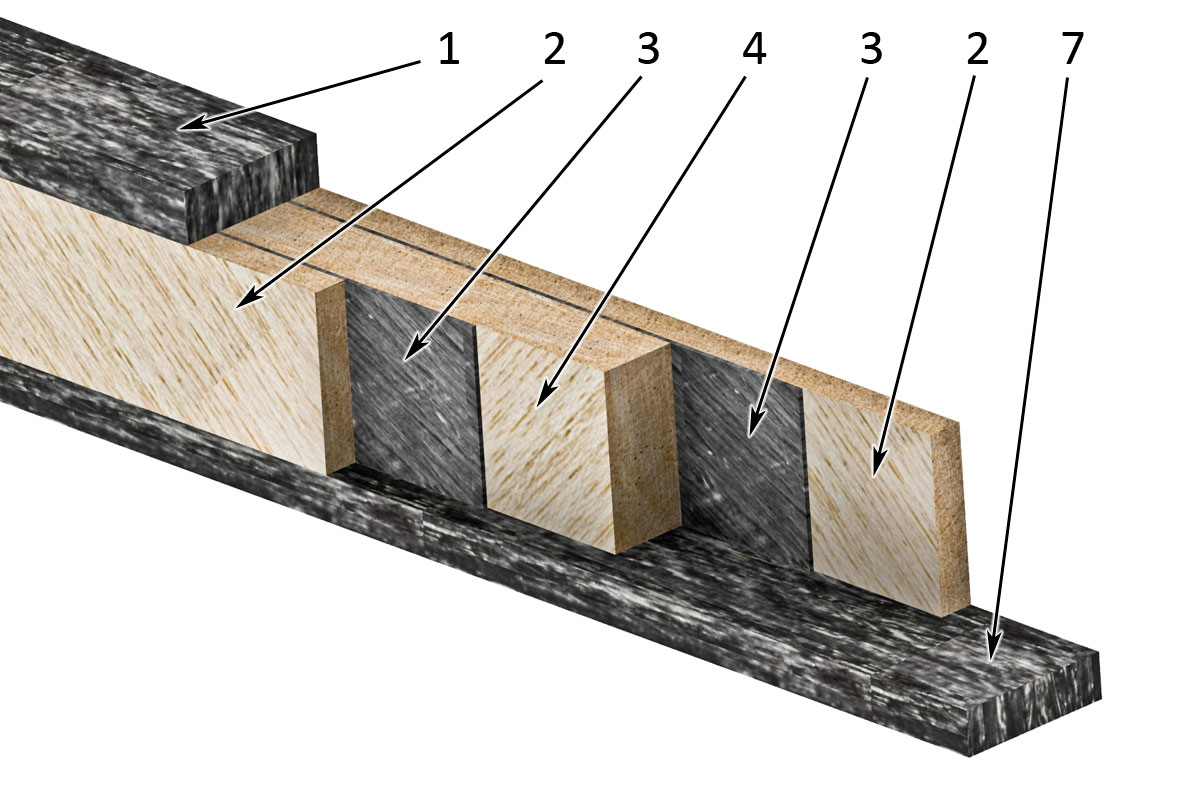
1 – flanges hot cured from carbon pre-preg in an autoclave;
2 – outer balsa webbing at 45 degree bias;
3 – Spread Tow carbon of ±45 degree layup totaling 0,04 mm in thickness;
4 – inner balsa webbing at 45 degree bias.
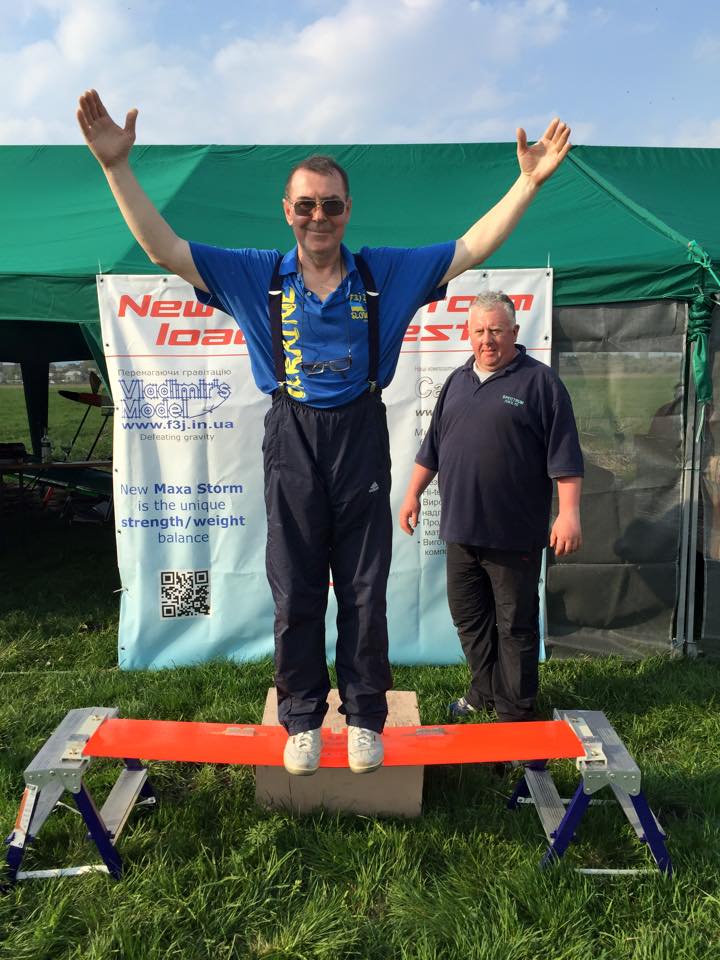
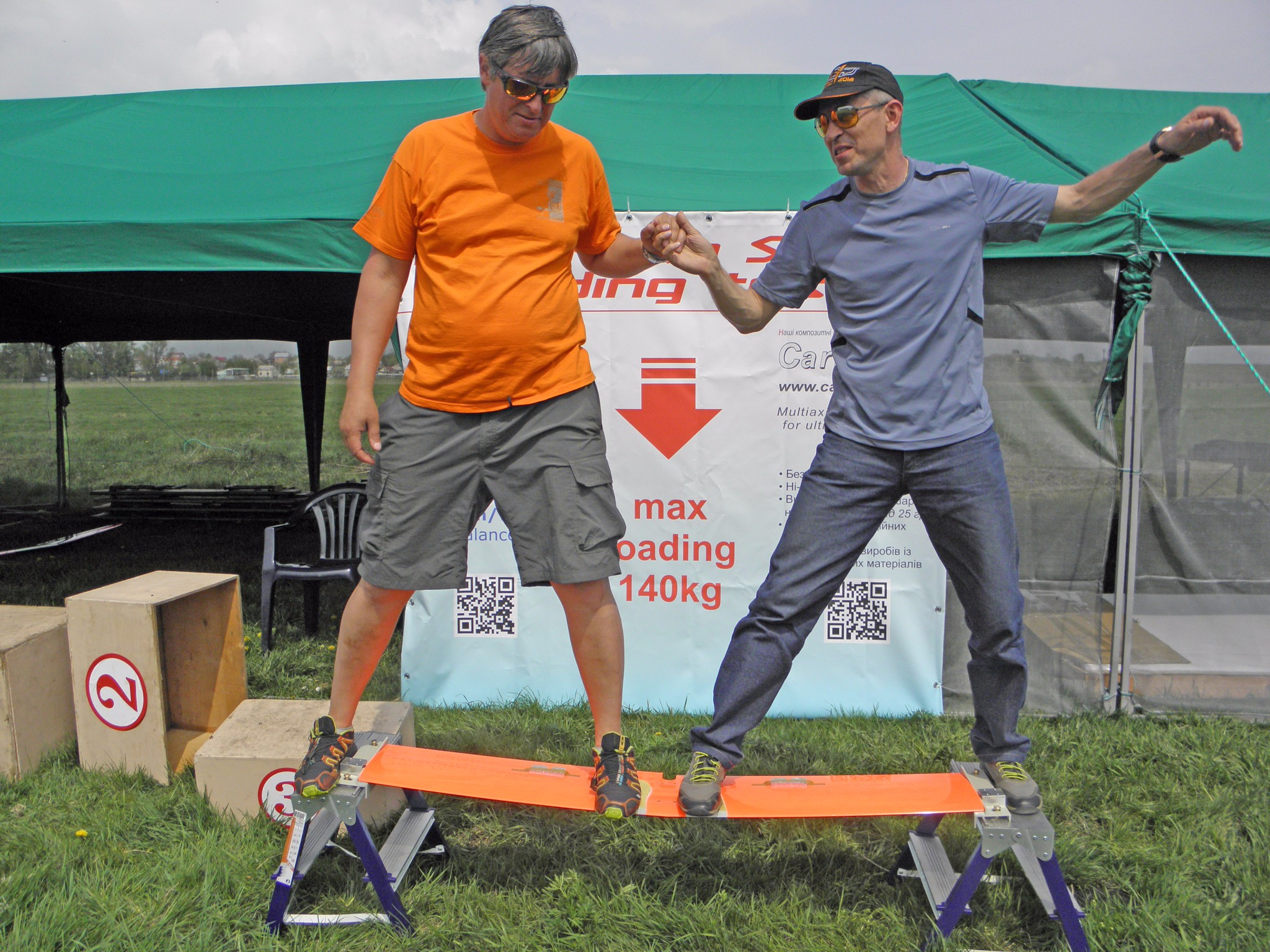
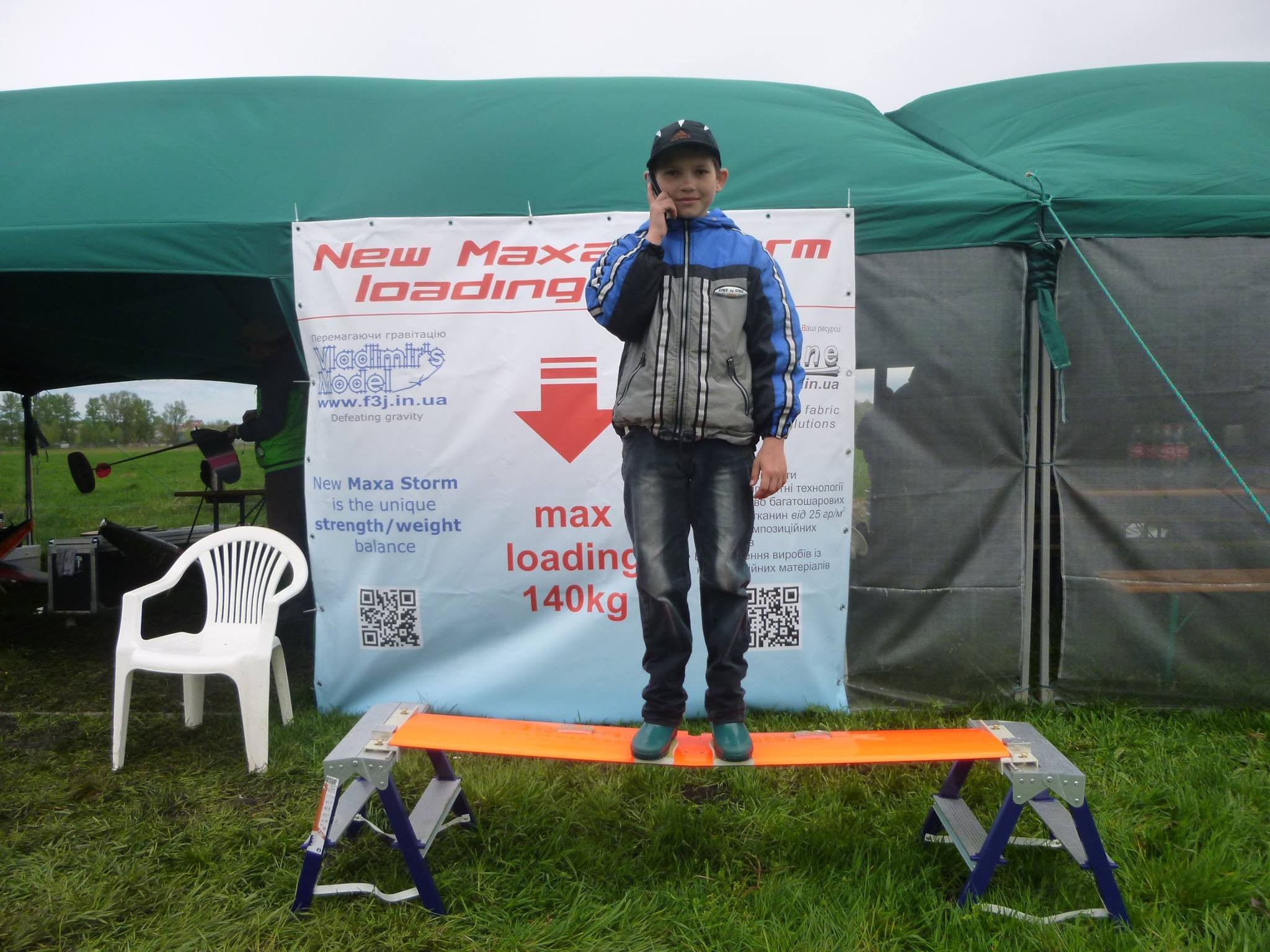
Maxa’s wing spar is cured at high temperature under vacuum. The spar flanges made in an autoclave from high strength carbon pre-preg are securely glued to the multi-layer web. We use high strength carbon fiber IMS 65 for the flanges.
The spar durability is improved by the use of balsa shear web. Balsa is more durable than any other material in this role. Placing balsa at ±45 degree bias not only improves it ability to carry shear load, but also improves the strength of the glue joint between the web and the flanges.
Additional layers of Spread Tow carbon improve the stiffness of the wing spar.
We build spars with two flange sizes:
- 11,5 mm wide - lighter spar for Light versions;
- 15 mm wide - haviest spar for Windy versions.
The XXI century design from Vladimir’s Model employs Rohacell for flap core, which results in amazingly lightweight thin wings of surprisingly high strength. Combination of high aileron stiffness and low weight eliminates flatter even at the highest flight speeds.
To build wing for Maxa, we use bi-axial carbon Spread Tow fabric of our own proprietary design and production, made of high strength IMS65 carbon fibers. The weight of this fabric is 38…40 gram/m², which leads to lighter and stronger parts.
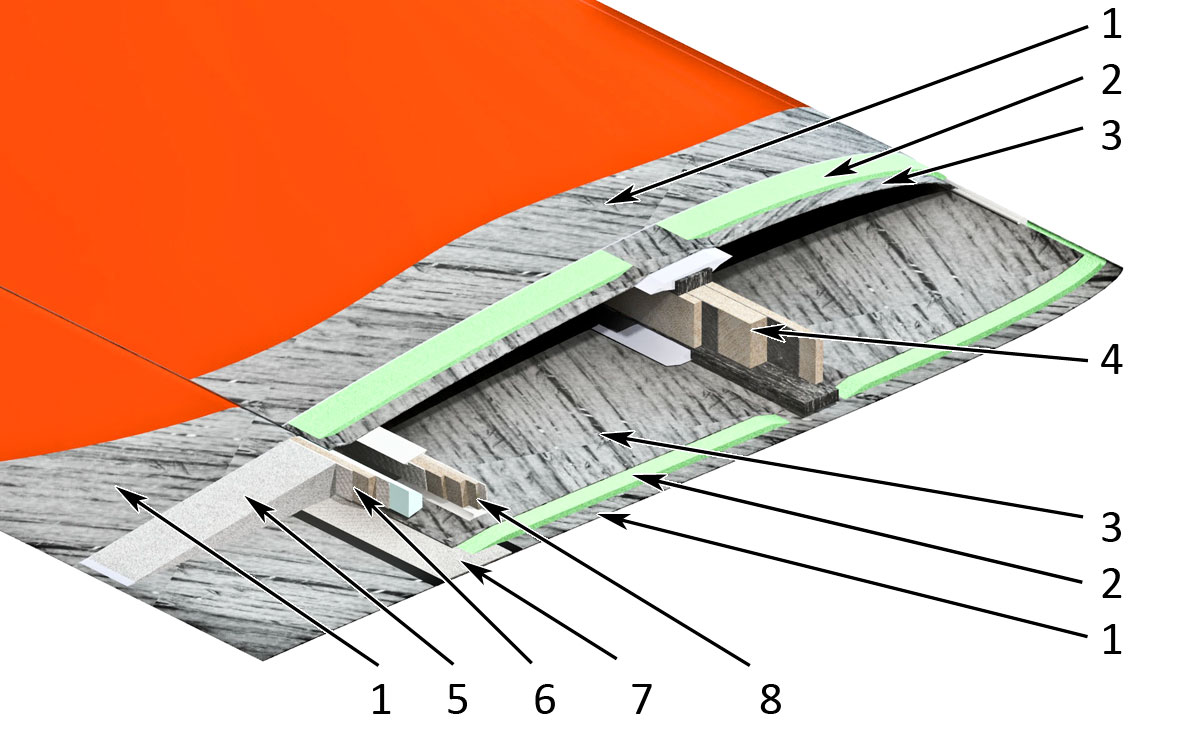
Maxa Pro CP Windy
-
Outer layers of our carbon spread tow laid at -45°;+45°;0° degree bias. There are also additional lengthwise gain of Spread Tow Carbon (Carboline). There ara two layers of Carboline laid at -45°;+45° degree bias on the flaps;
-
Herex core of the composite sandwich;
-
Inner layers of our carbon spread tow laid at -45°;+45°;0° degree bias;
-
Spar flanges from high strength IMS65 carbon fiber, 15 mm wide;
-
Rohacell flap core;
-
The front wall of the aileron is made of balsa plywood covered with glass fabric. This design reduces the weight of the control surface, while its height together with Spread Tow outer layers results in unsurpassed torsional stiffness;
-
Strip of the hinge material;
-
The rear wall of the wing from balsa plywood and fiberglass.
Maxa Pro 3.5m and Maxa Pro 4m Light CP
-
Outer layers of our carbon spread tow laid at ±30 degree bias. Such layup results in high torsional stiffness and, at the same time, works in bending together with the spar. Outer Spread Tow layers improve the wing durability;
-
Herex core of the composite sandwich;
-
Inner layers of our carbon spread tow laid at ±30 degree bias;
-
Spar flanges from high strength IMS65 carbon fiber, 11.5 mm wide;
-
Rohacell flap core;
-
The front wall of the aileron is made of balsa plywood covered with glass fabric. This design reduces the weight of the control surface, while its height together with Spread Tow outer layers results in unsurpassed torsional stiffness;
-
Strip of the hinge material;
-
The rear wall of the wing from balsa plywood and fiberglass.
Comparison of MAXA family wings(average weight; the actual weight depends on the color and presence of strips) |
||||
|
|
MAXA 3.5m | MAXA 4m | ||
|
Model version |
Light | Windy | Light | Windy |
|
The recommended speed limit for the use of wind m/sec |
≤9 | ≤12 | ≤5 | ≤10 |
|
Spar width, mm |
11.5 | 15 | 11.5 | 15 |
|
Composite sandwich of central panel outer/inner |
Carboline [±30°] / [ ±30°] | Carboline[0°;±45°] / [ ±45°] + additional lengthwise gain of Carboline | Carboline [±30°] / [ ±30°] | Carboline[0°;±45°] / [ ±45°] + additional lengthwise gain of Carboline |
|
Central wing section weight**, gr |
615-620 | 720 | 615-620 | 720 |
|
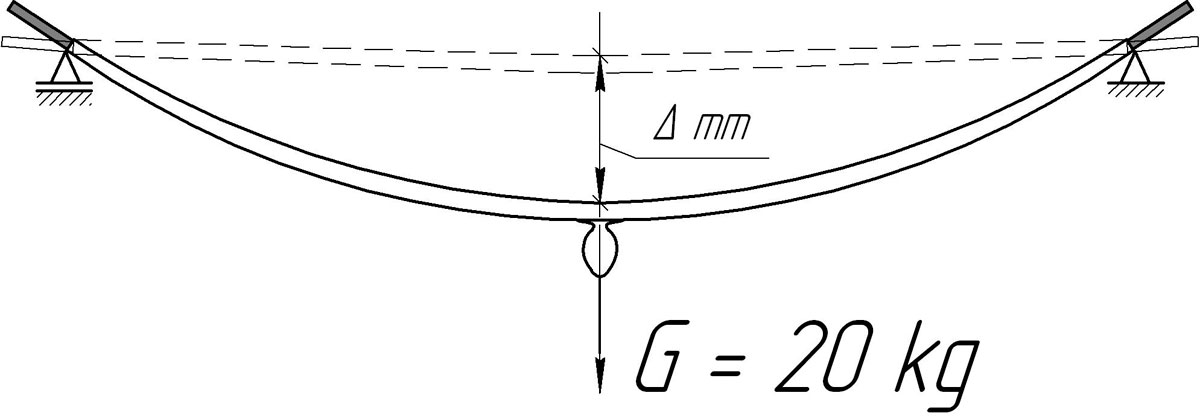
Central panel bending *Δ, mm |
16 | 11 | 16 | 11 |
|
Composite sandwich of wing tip outer/inner |
Carboline [±30°] / Glass [ ±45°] | Spread Tow Carbon [±45°] / [ ±30°] | ||
|
Wing tip weight **, gr |
190 | 235 | 250 | |
|
Wing joiner weight, gr |
18 |
|||
* - Central wing section loading to measure bending:
** - Weight depends on the color.
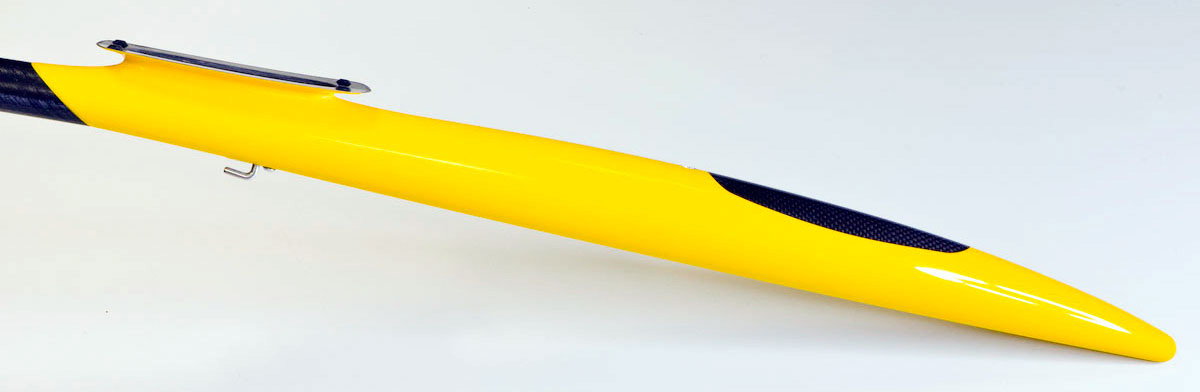
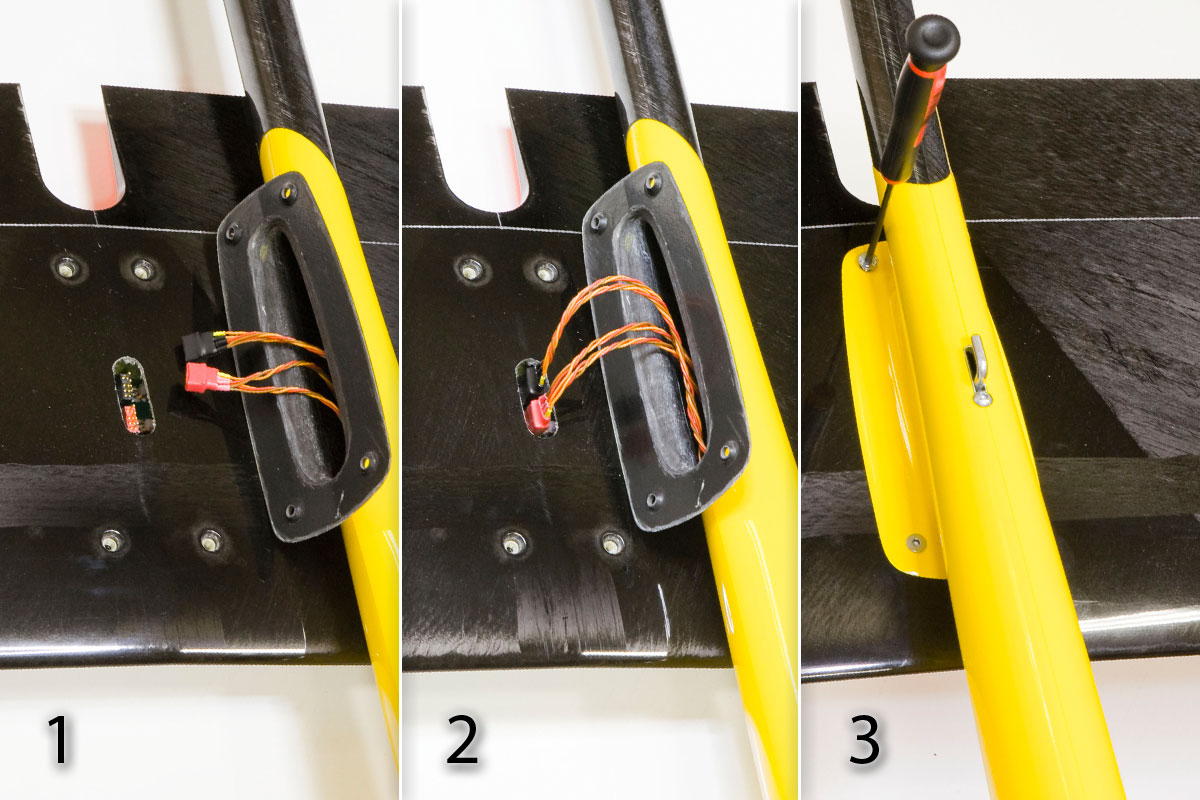
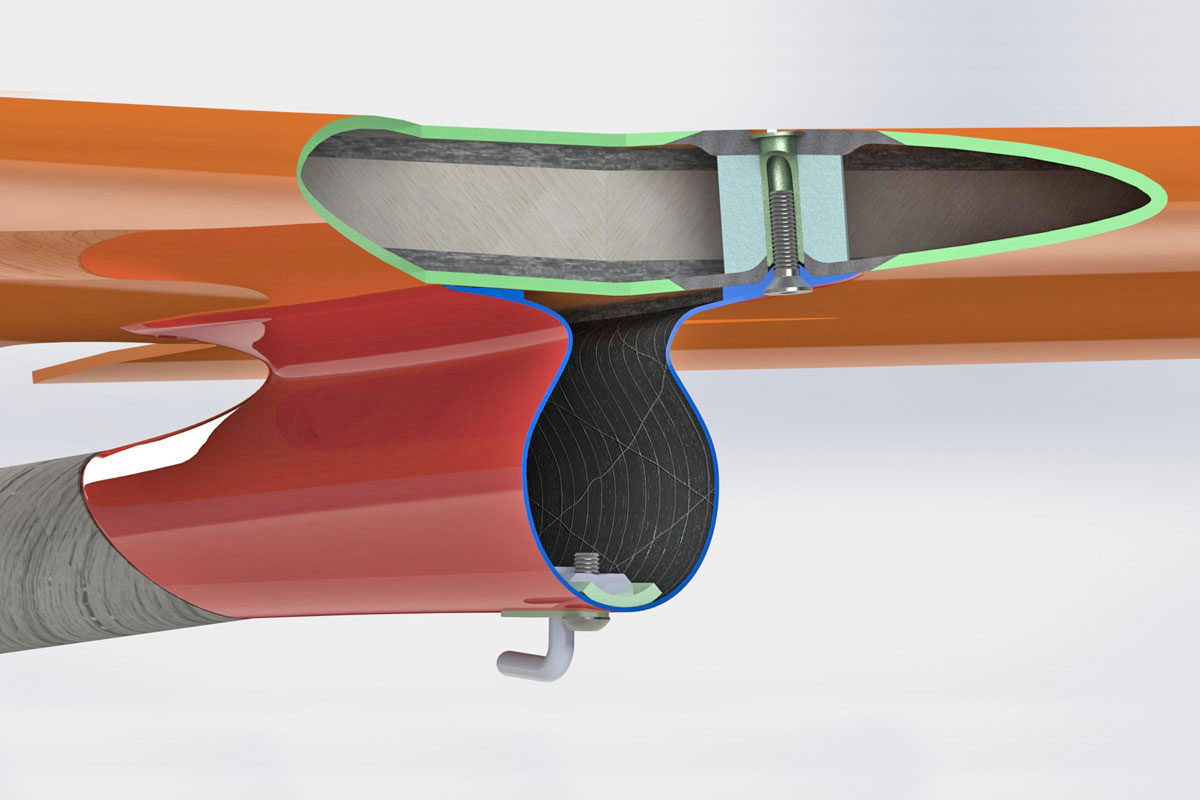
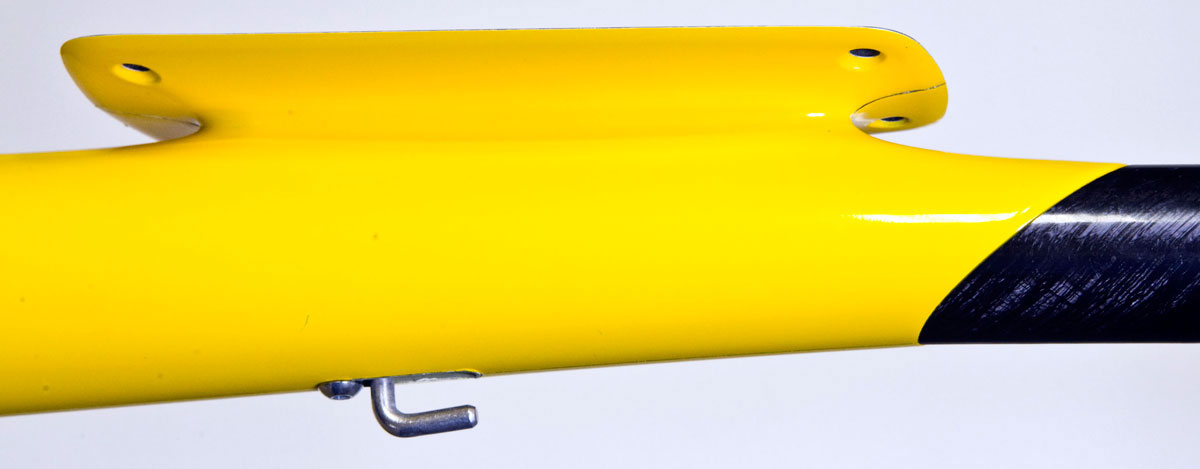
Advantages of the ultra-stiff Maxa fuselage:
- The fuselage is attached to the bottom of the wing with 4 screws to facilitate the assembly—you don’t need to turn the plane over, after you plug the wing servo connectors.
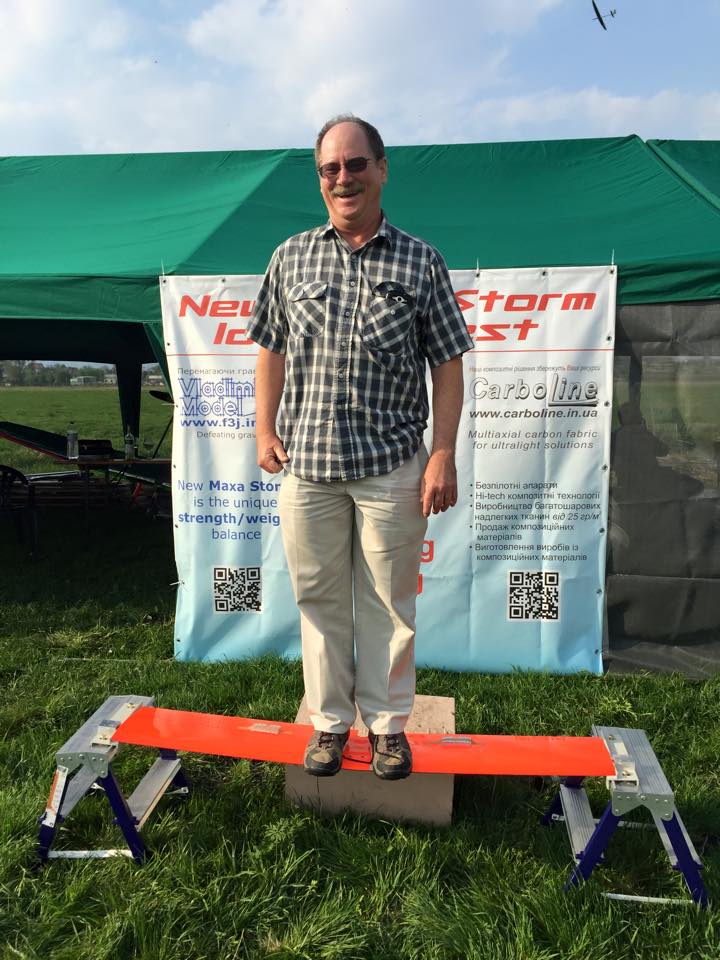
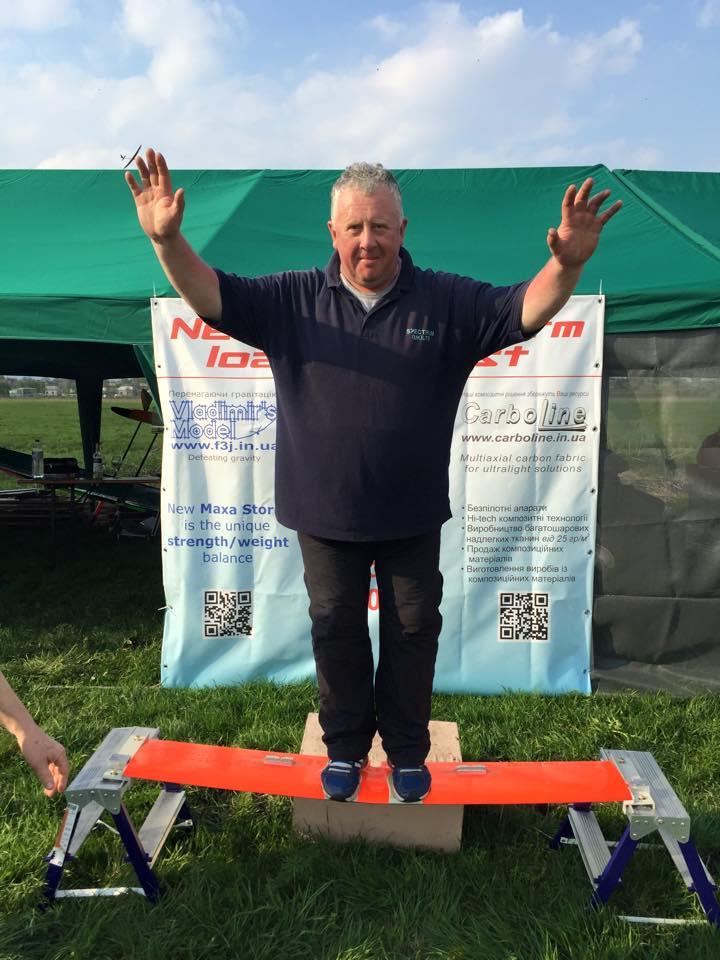
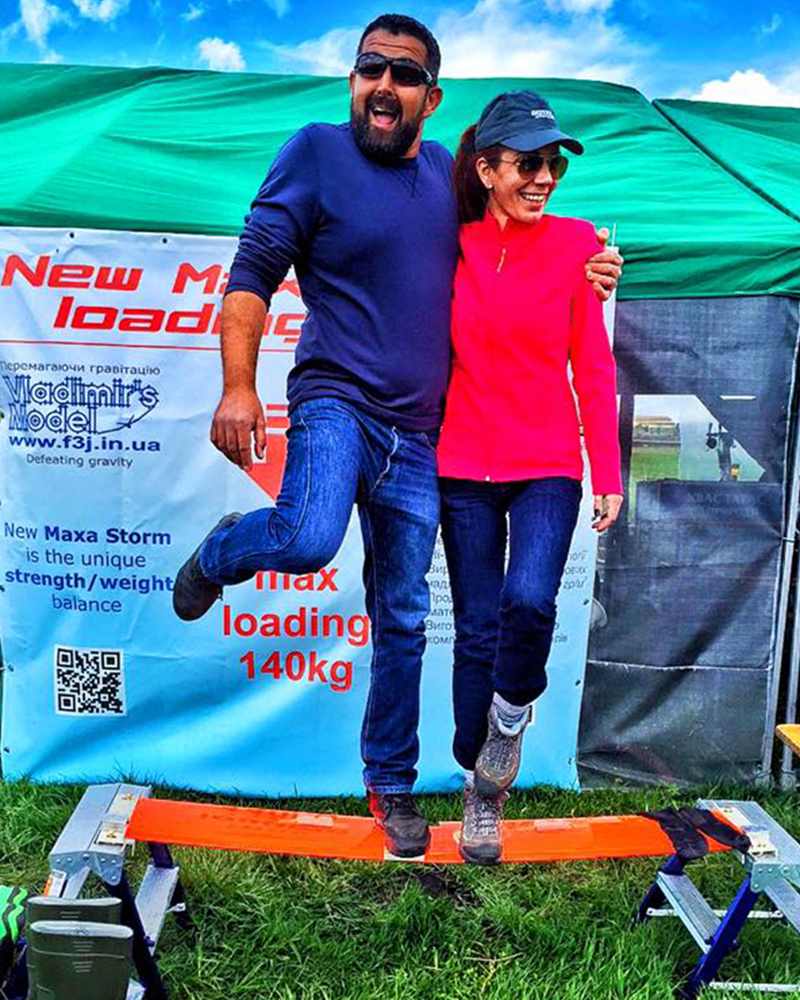
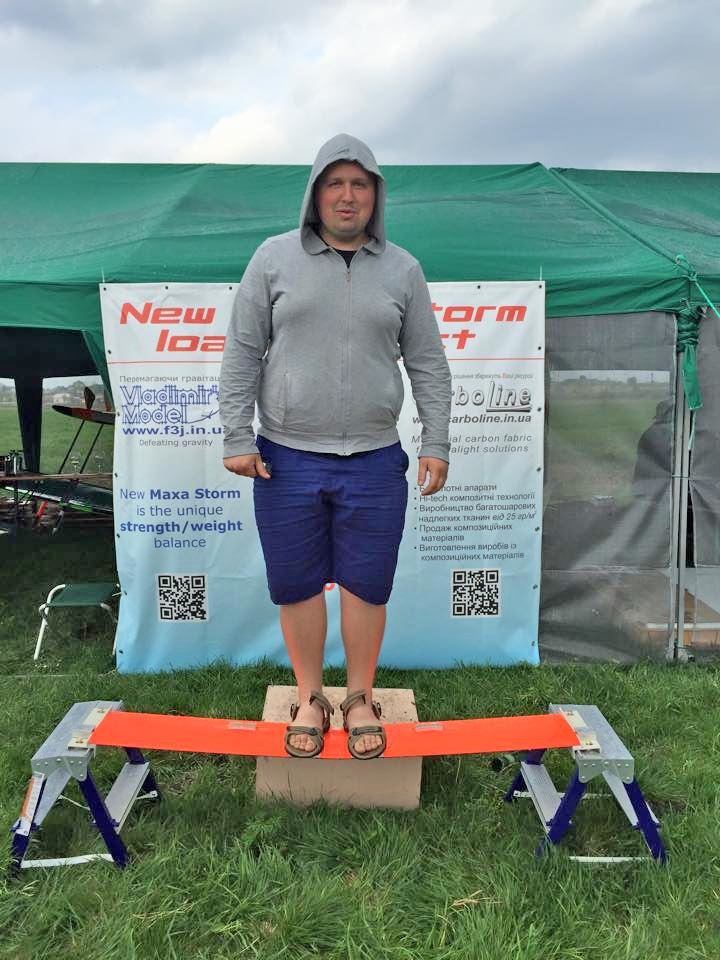
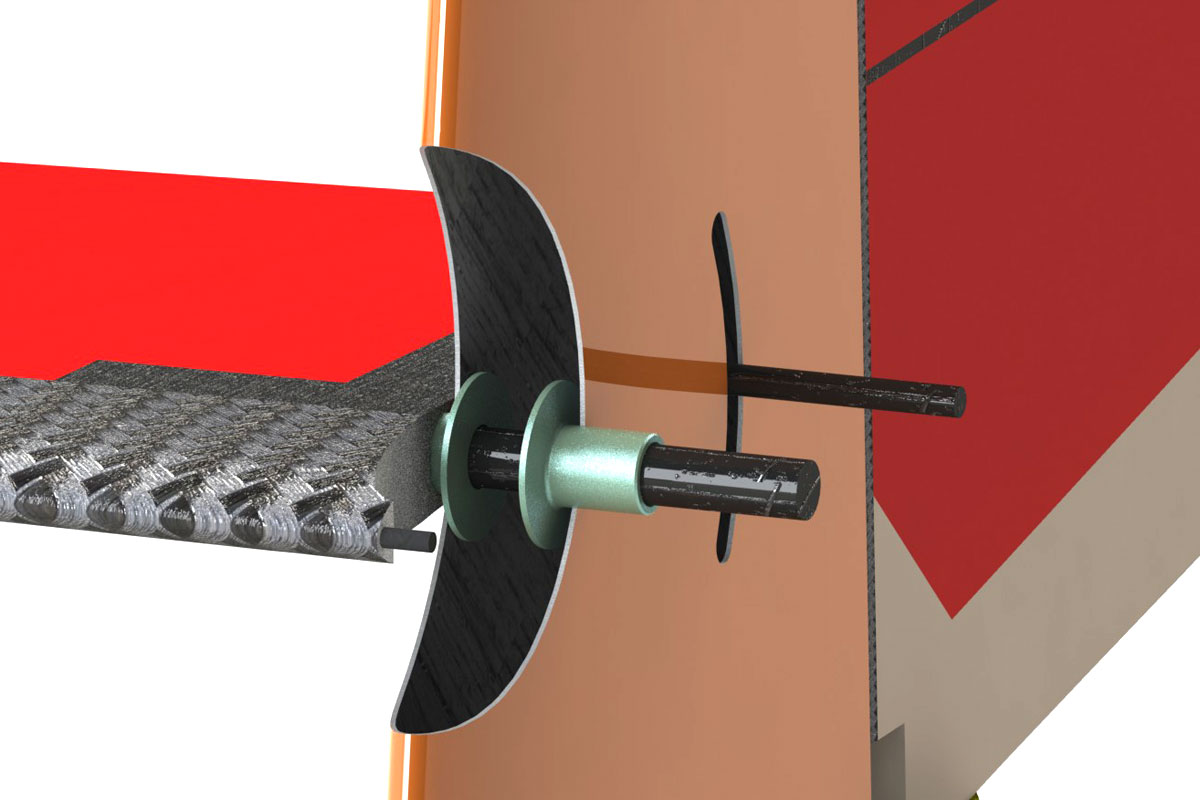
- The wing structure is tied together with special shape nut, which is glued through the whole thickness of the wing. Such design better spreads shock loads of hard landings.
- The sharp nose stops the glider at the landing target. The shape of the tip meets F3J requirements.
- The tilt junction the tail boom with nose, in addition to the elegant appearance, greatly reduces the stress concentration at this location;
- Maxa ships with the completely assembled pod with tow hook and ballast tube already installed. The tail boom has the pushrod sleeves already installed and the vertical stabilizer glued on. You only need to glue the pod and the boom together.
- The Adjustable Tow Hook allows for launch optimization for any weather or C.G. location in the recommended range;
- Fuselage servos are installed horizontally, which allows for easy access to the receiver and the battery (see more on the manual bookmark).
- The front part of the nose is radio transparent made out of kevlar and high modulus fiberglass. You can place an antenna of 2,4 GHz receiver inside the nose (to the end of the canopy).
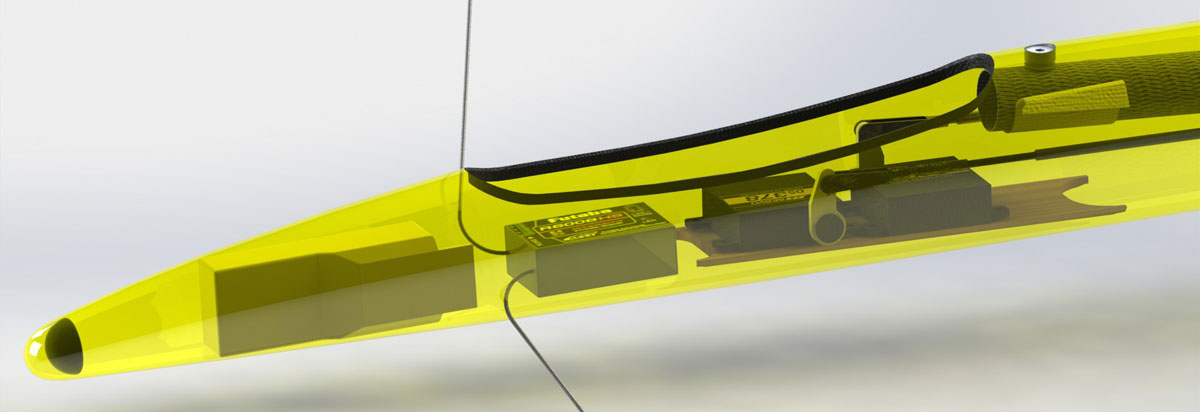
Tail boom
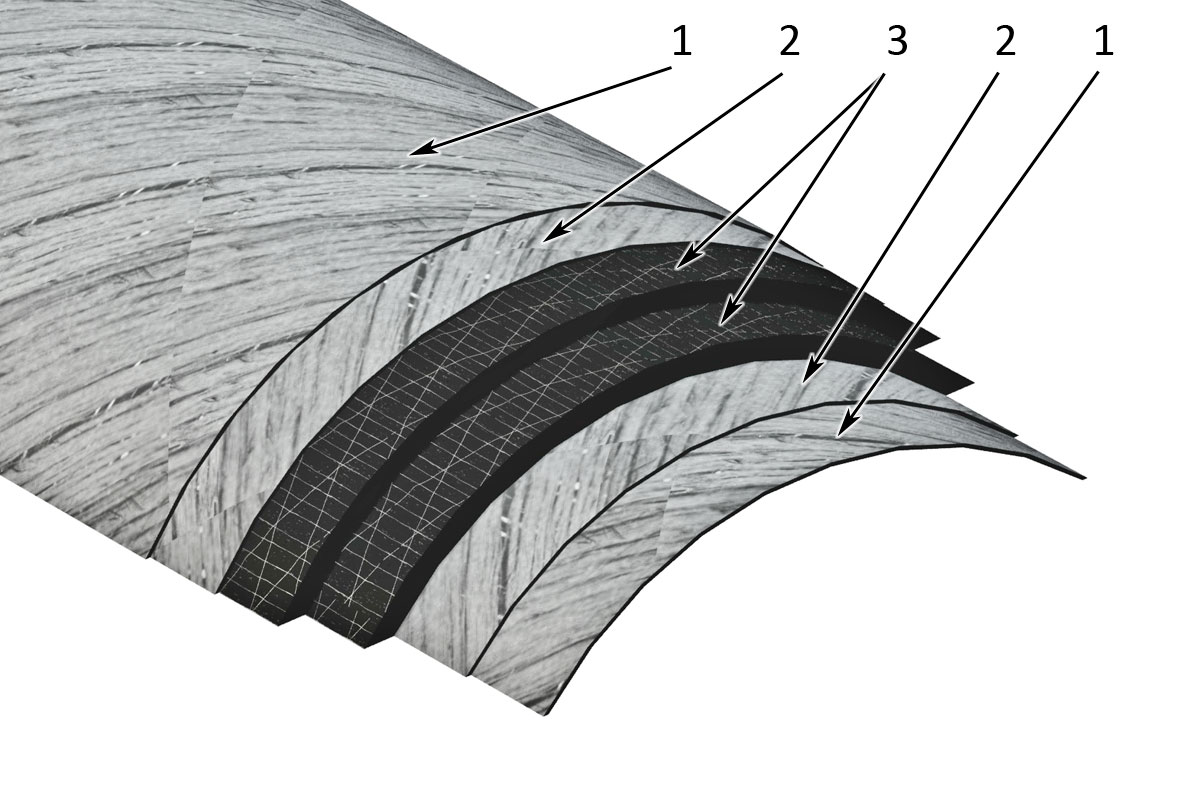
The Tail Boom is made from thin carbon Spread Tow laid at +45 degree (1) and -45 degree (2) bias. Between the Spread Tow layers, there are 2 layers of unidirectional high strength carbon fiber (3). This design yields stronger, stiffer, and more thermal stable tail boom, which weighs only 41 gram without pushrods.
Canopy
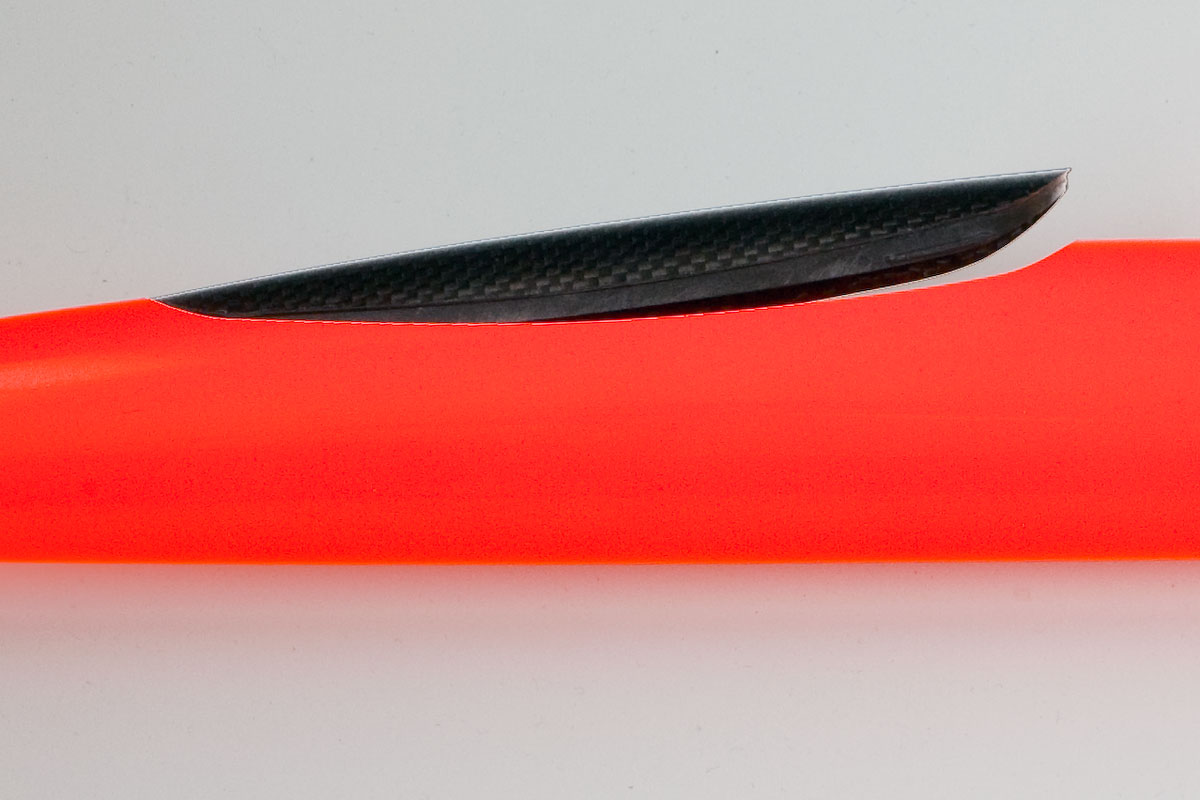
Canopy is made of carbon composite. . It uses reliable mounting latch design proven in many Vladimir’s Model planes: Supra PRO, Supra Electric, Blaster 2 Electric, Sprite, Graphite 2 Electric.
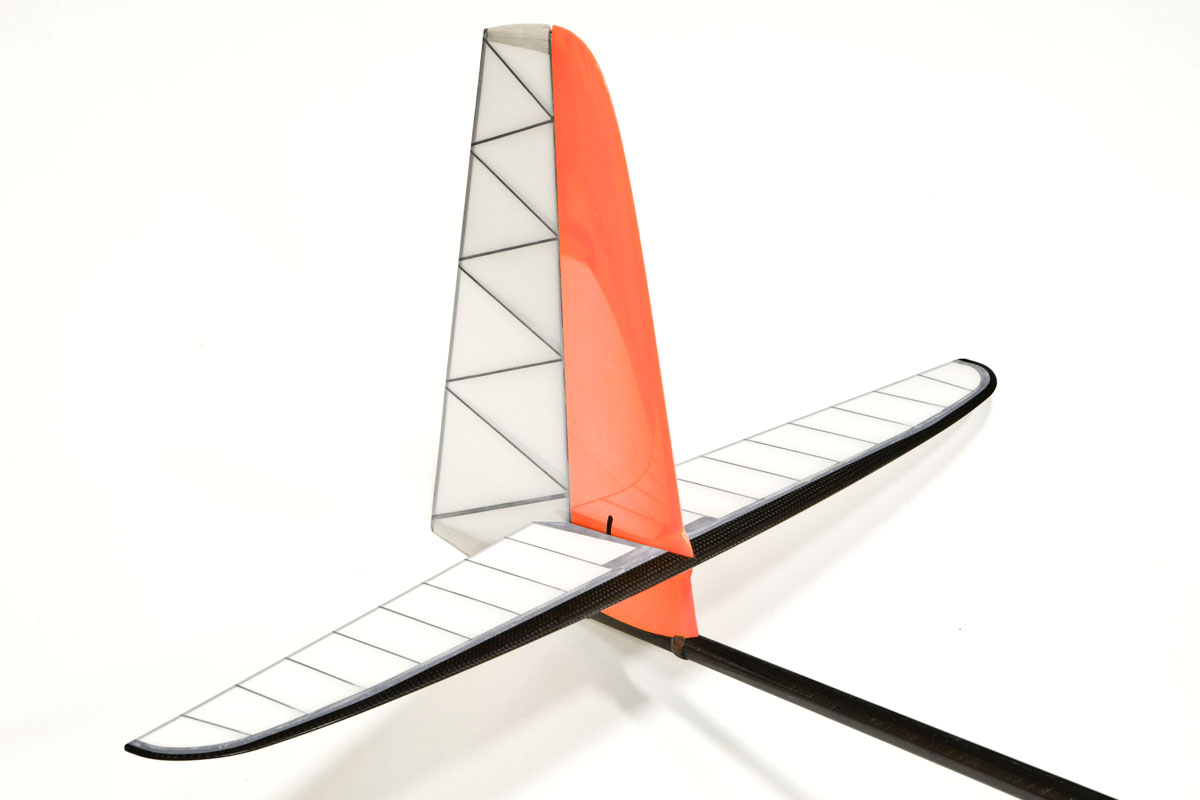
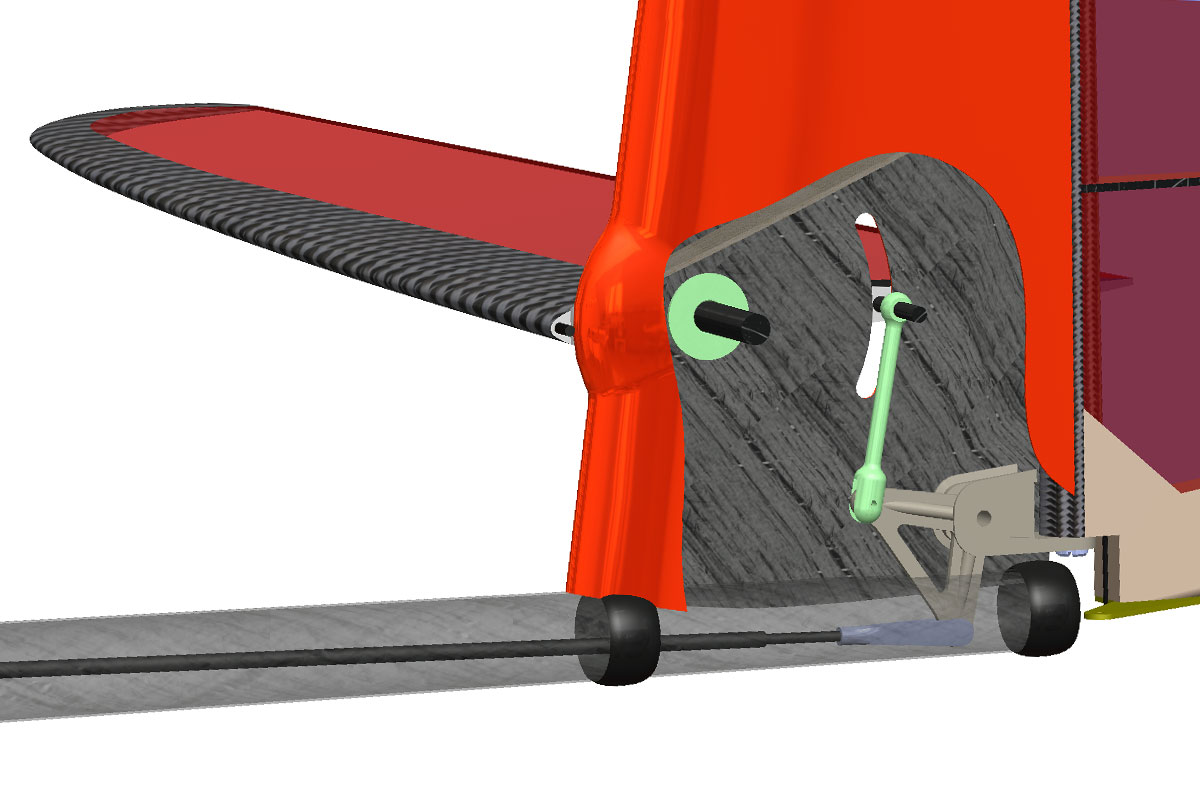
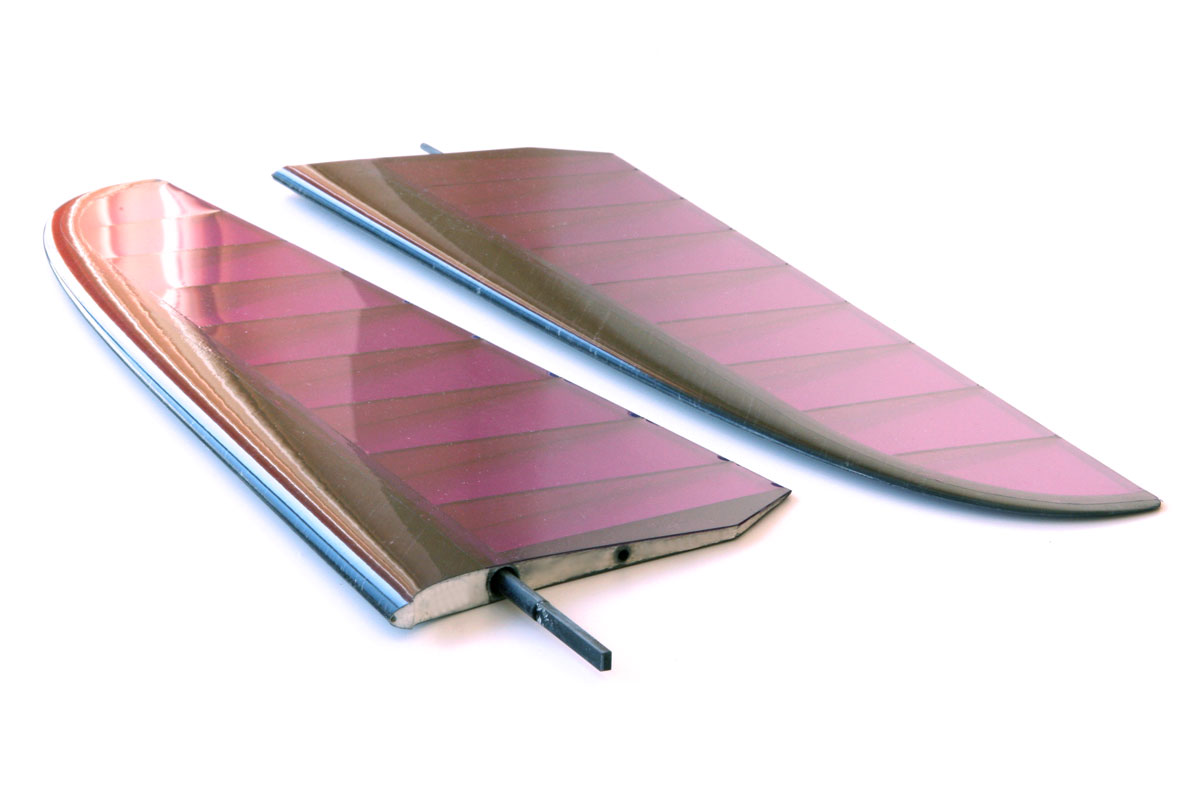
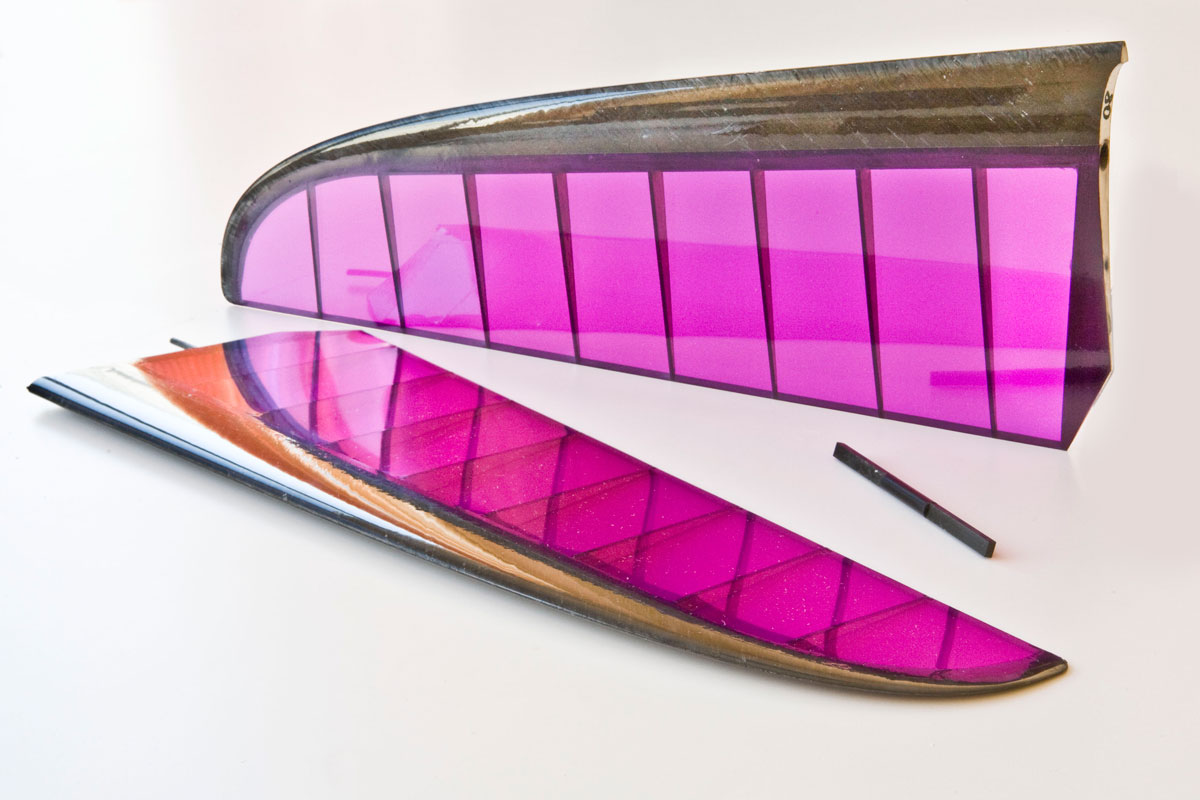
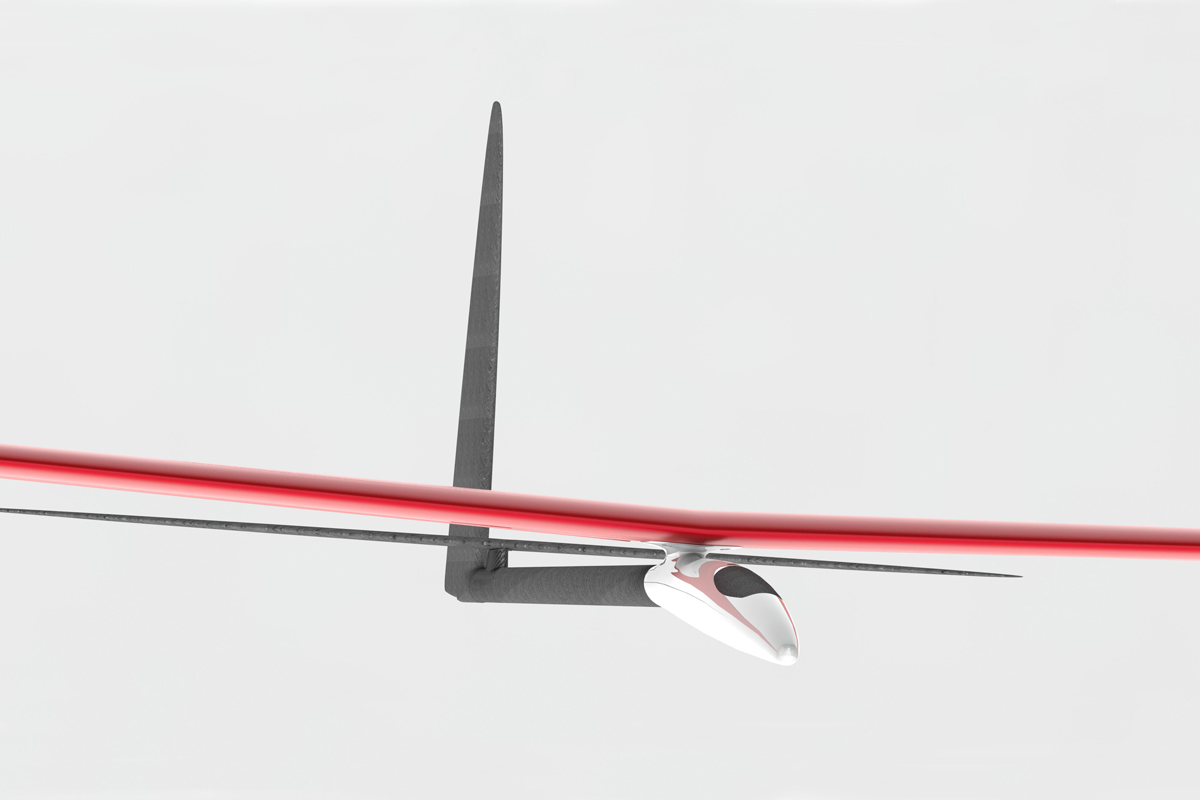
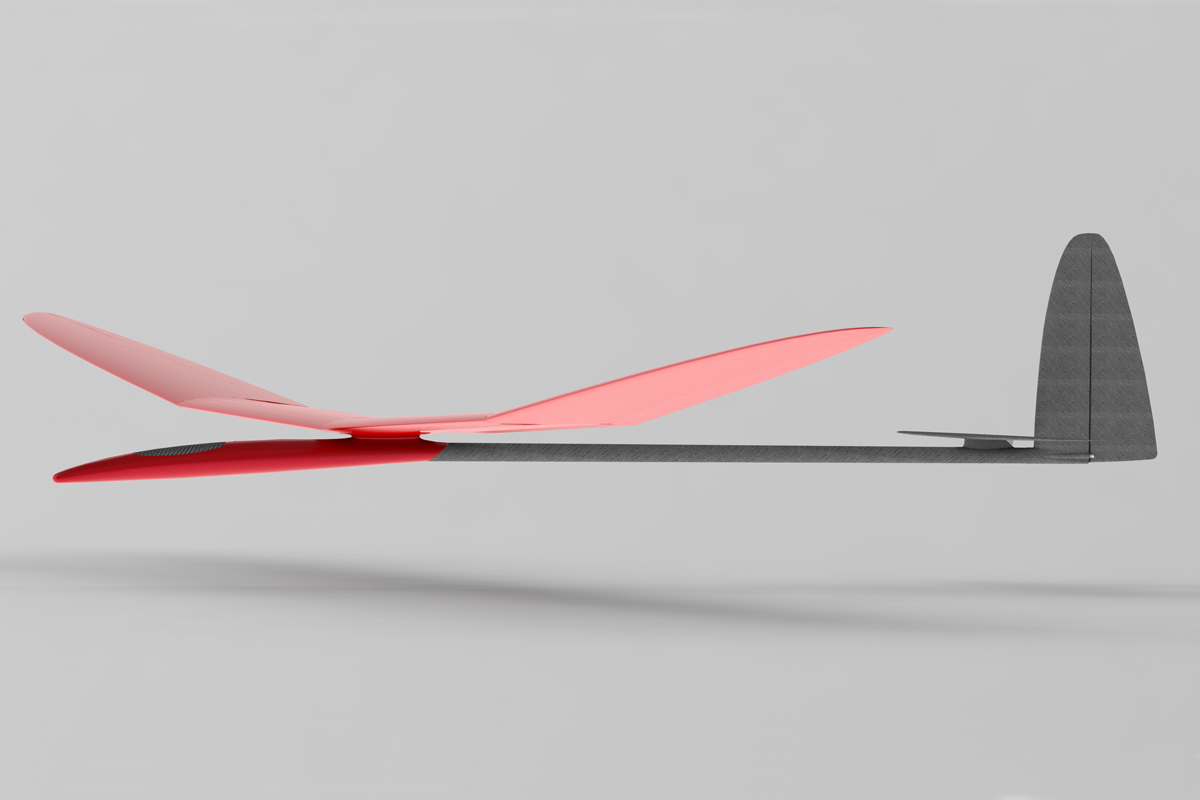
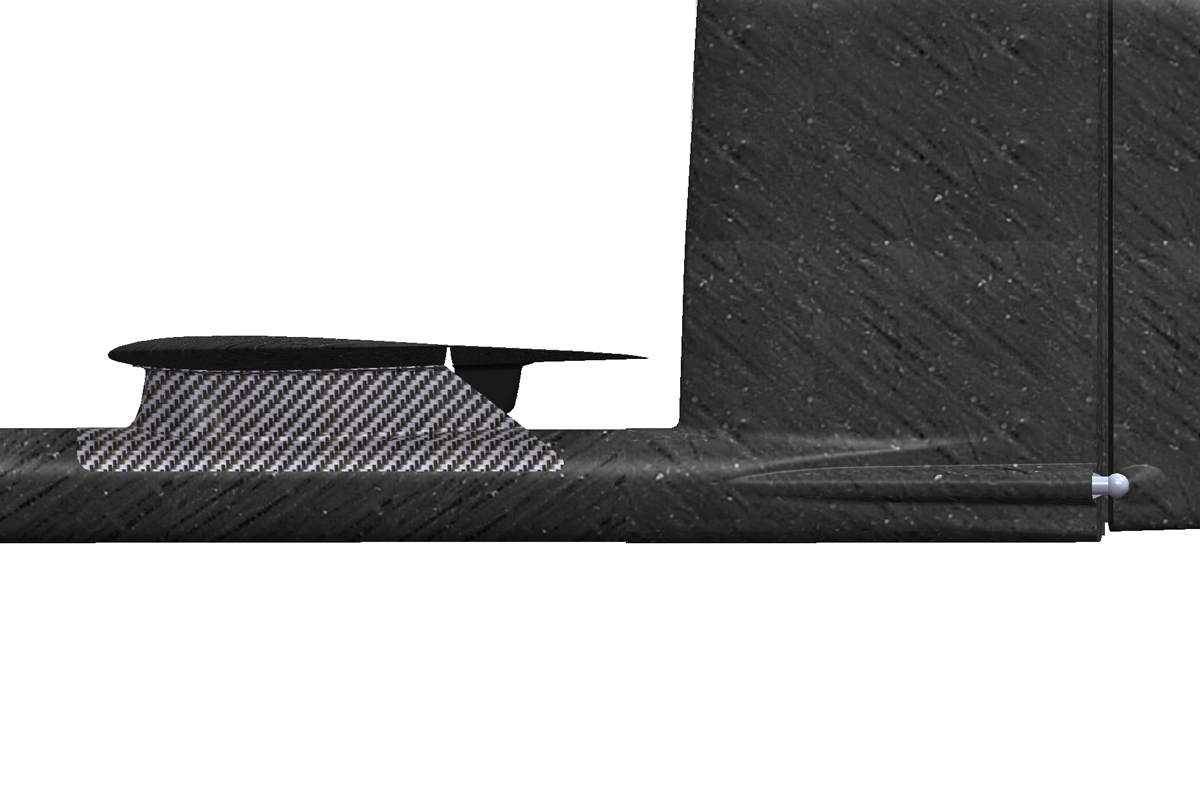
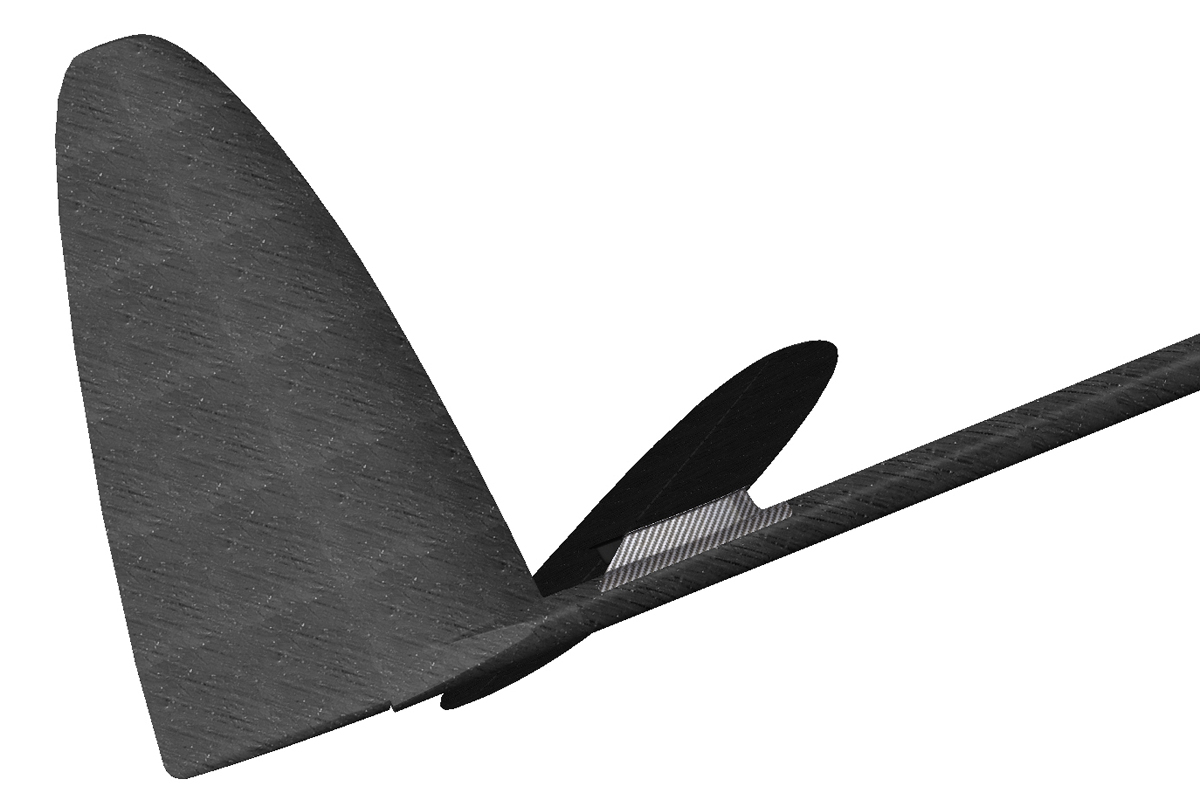
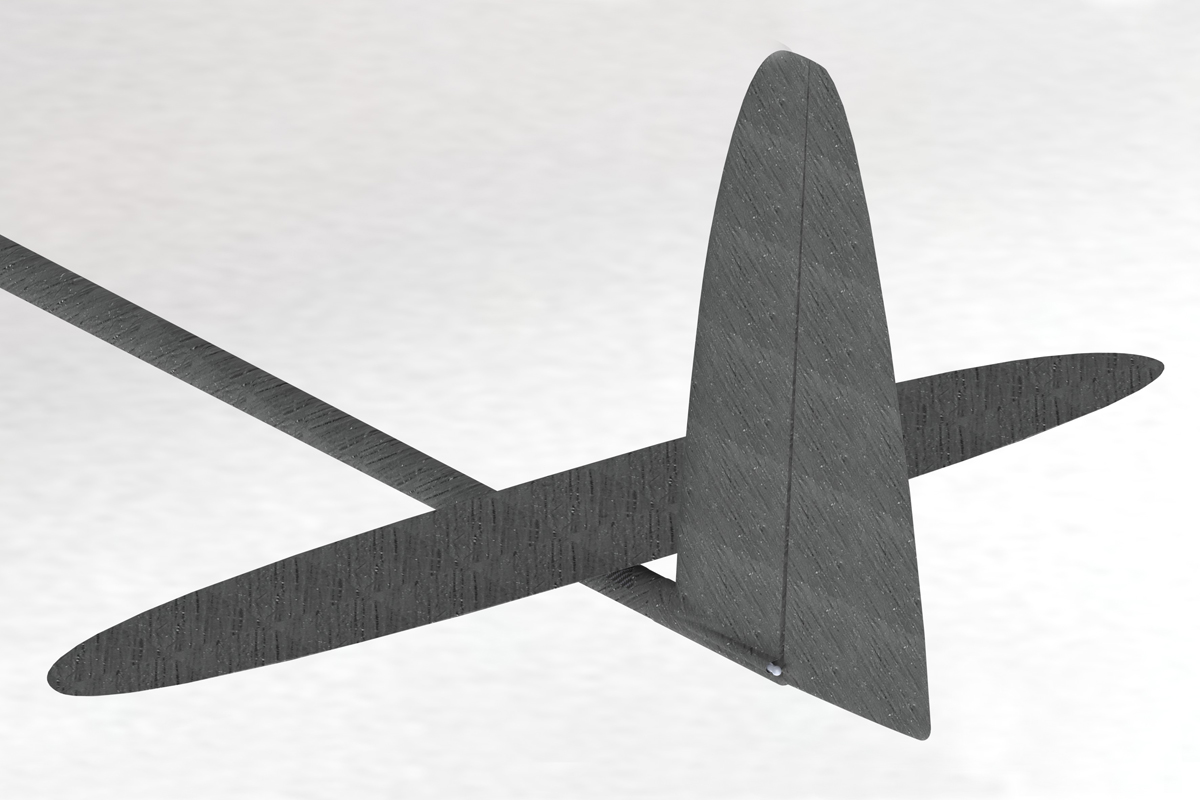
By numerous requests, we made Maxa’s tail of classical X-shape design.
We managed to overcome inherent drawbacks of this design and the resulting aerodynamic gains became apparent.
The horizontal stabilizer is now located higher up, which increases the launch safety.
The new design together with Vladimir’s Model trademark D-box built-up tail structure reduce the weight and increased the stiffness of the whole control system.
Vertical stabilizer
The tall and stiff vertical stabilizer gives Maxa good yaw stability and control even at low flight speeds. The horizontal stabilizer doesn’t shadow the rudder, which improves its efficiency.
The light built-up rudder can be taken off to reduce the fuselage length for ease of transport, this requires removing only one screw at the bottom. The screw with precisely ground stem slides into the bearing, which contributes to the accuracy and the stiffness of the yaw control, which is crucial for high energy launches. The composite tube serves as the rudder spar, which results in its extremely high torsional stiffness.
Horizontal stabilizer
Stabilizer Maxa - is an embodiment of the latest model aircraft technology. It was first applied technology Rohacell postforming. Because of this we were able to achieve incredible detail inlaid geometric accuracy of the airfoile. The use of whole-core enabled us based on D-box construction using ultra-thin lining of Spread Tow Carbon (Carboline).
The result is well balanced and light rotating horizontal stabilizer provides the required pitch stability. Its weight together with the joiner is 36 gram.
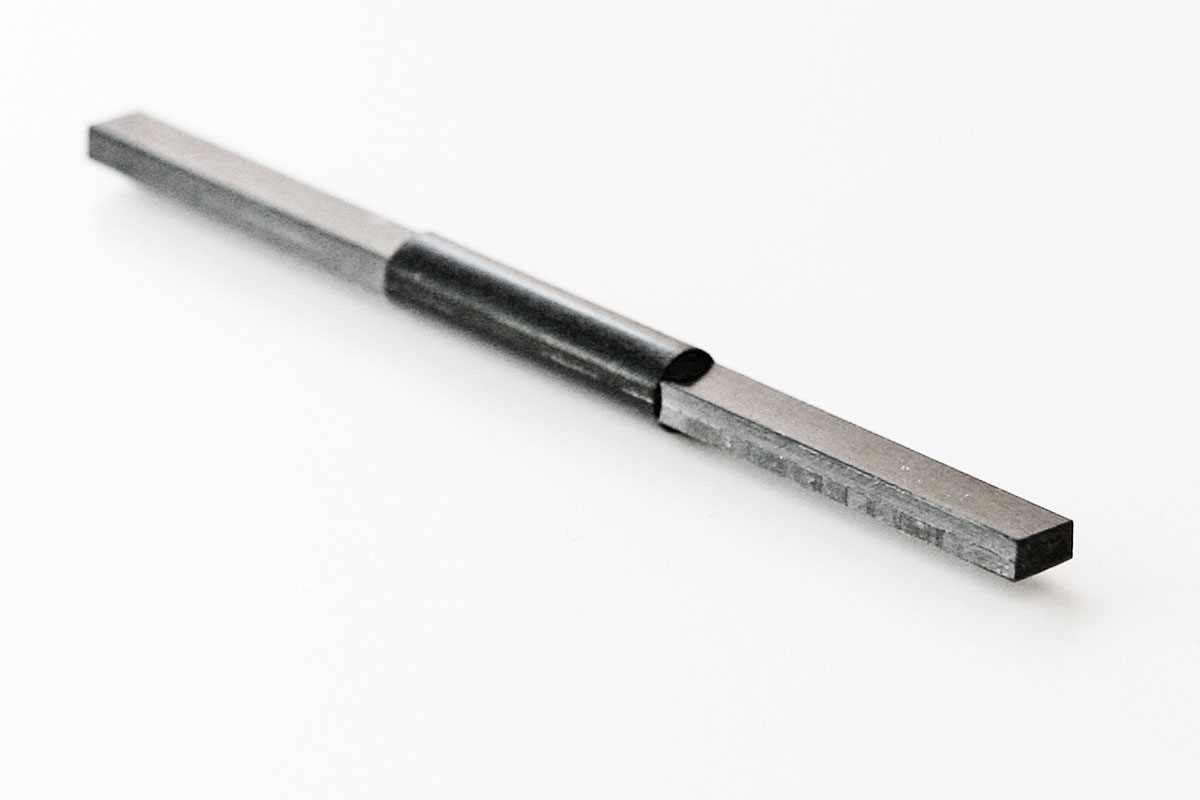
We have beefed up the horizontal stabilizer’s pivot, which resulted in substantial stiffness increase of the whole control system. The elevator pushrod is under tension, then you push the elevator up, which results in more precise elevator control.
Excellent control at low speed is achieved with the help of larger horizontal stabilizer area, which results in more accurate landings.
Our advanced CAD/CAM design and manufacturing yield unmatched accuracy of all the parts.
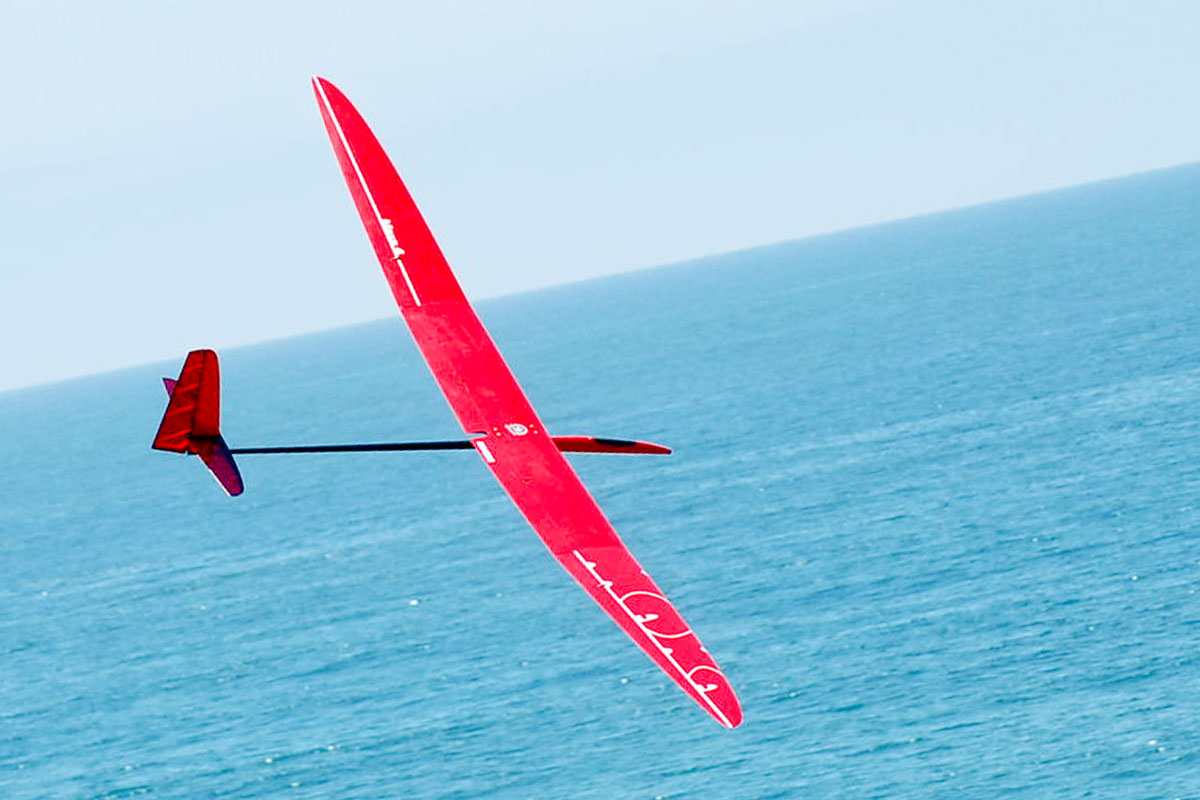
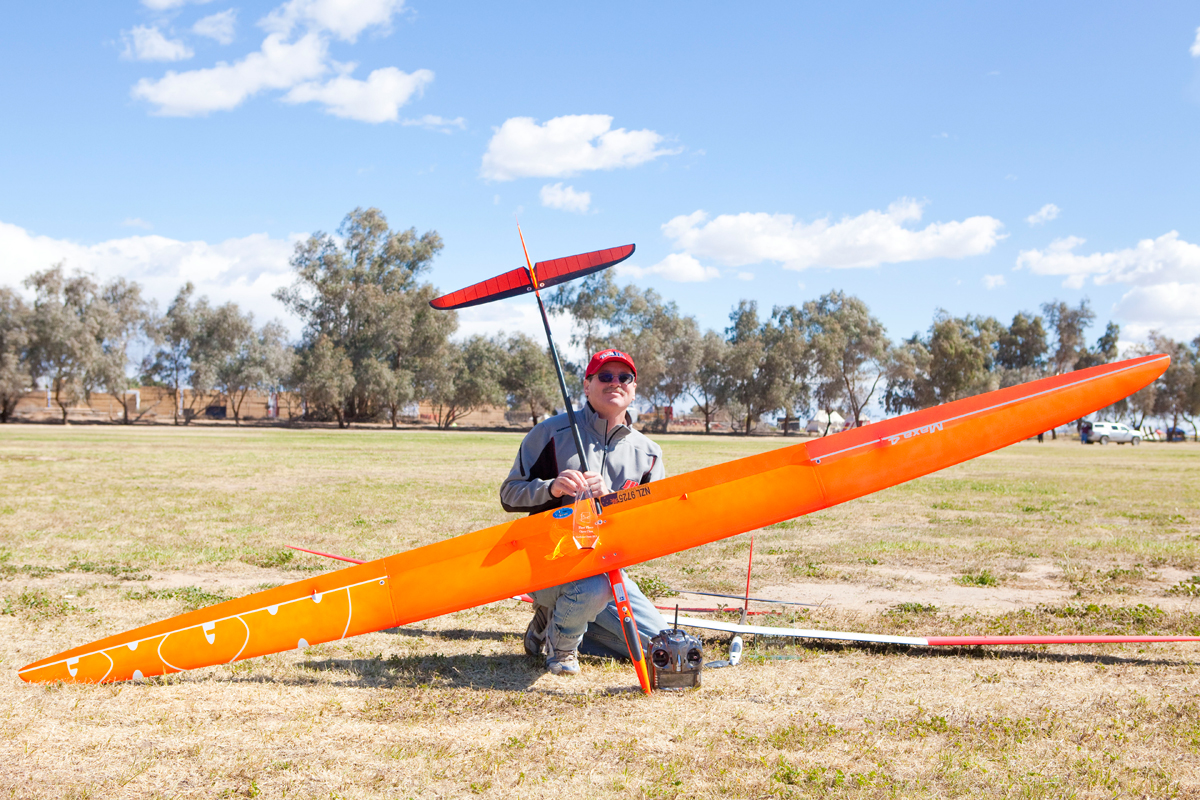
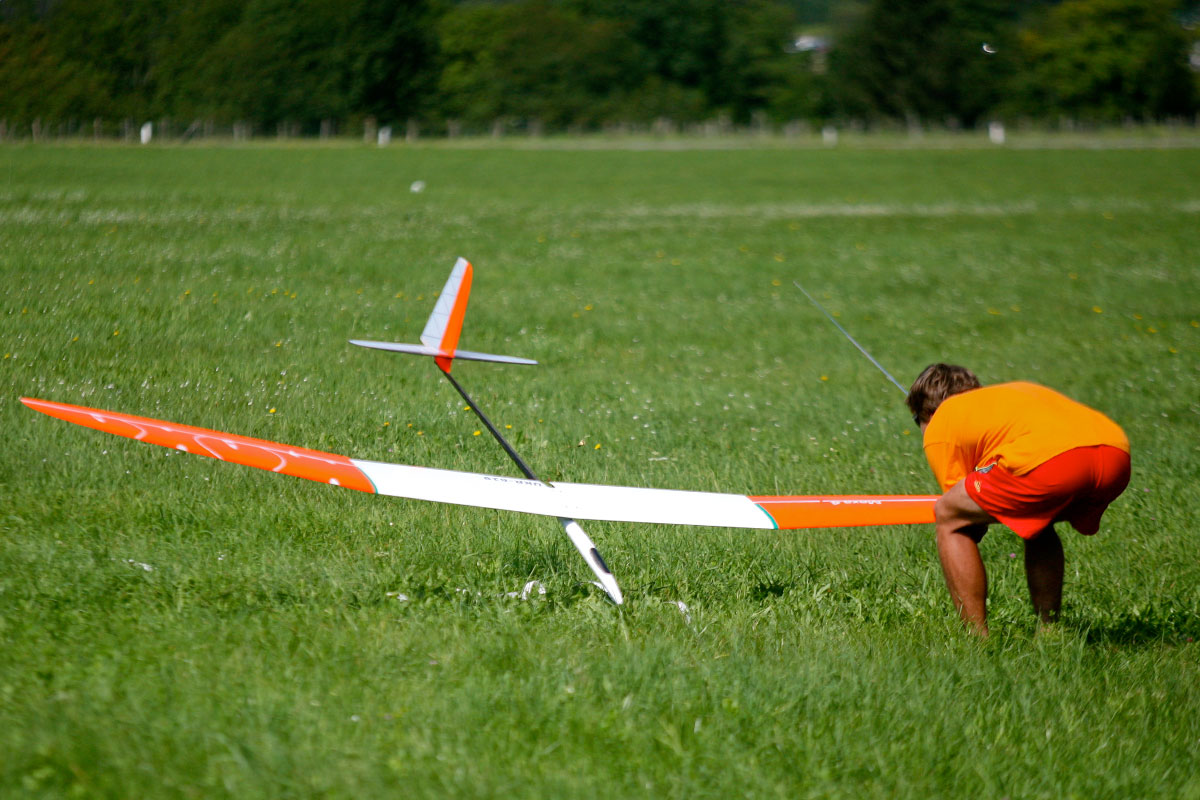
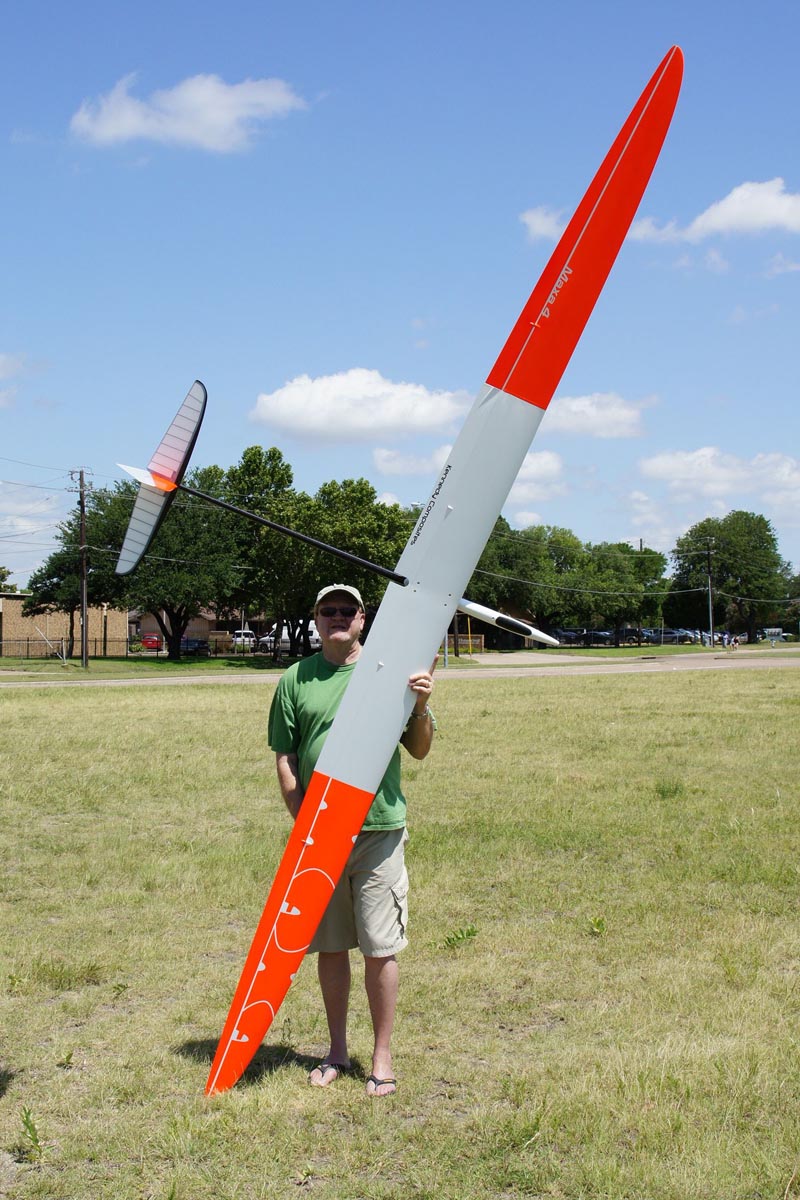
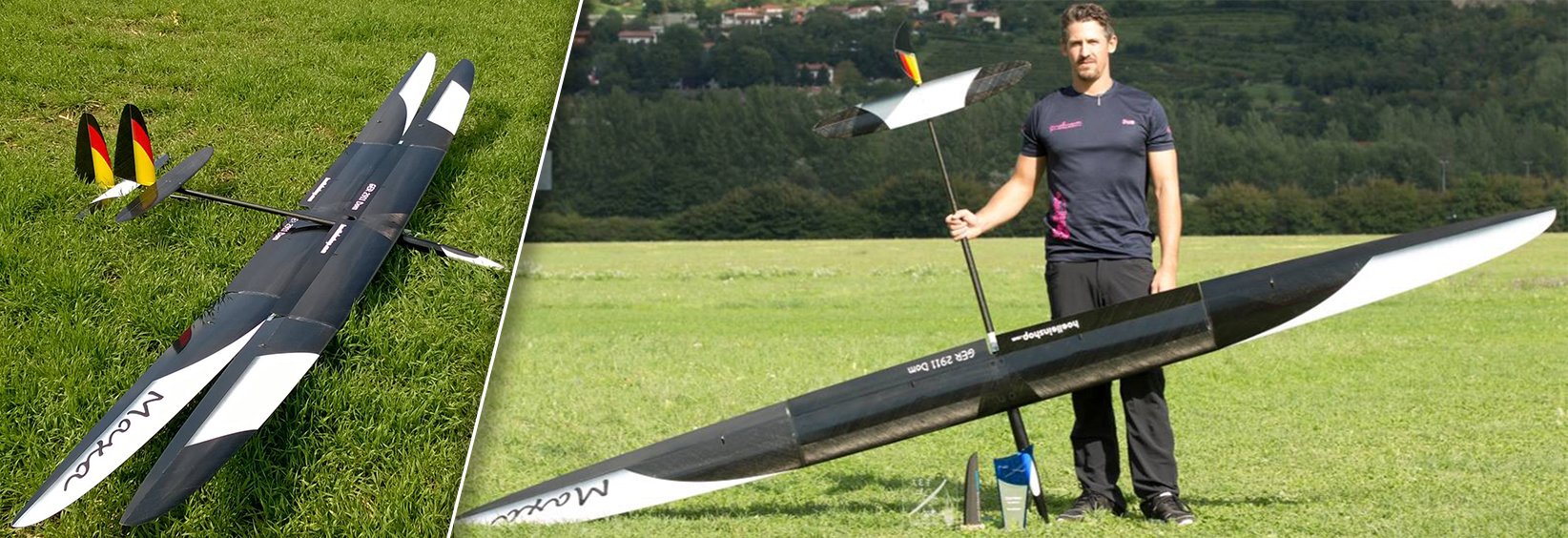
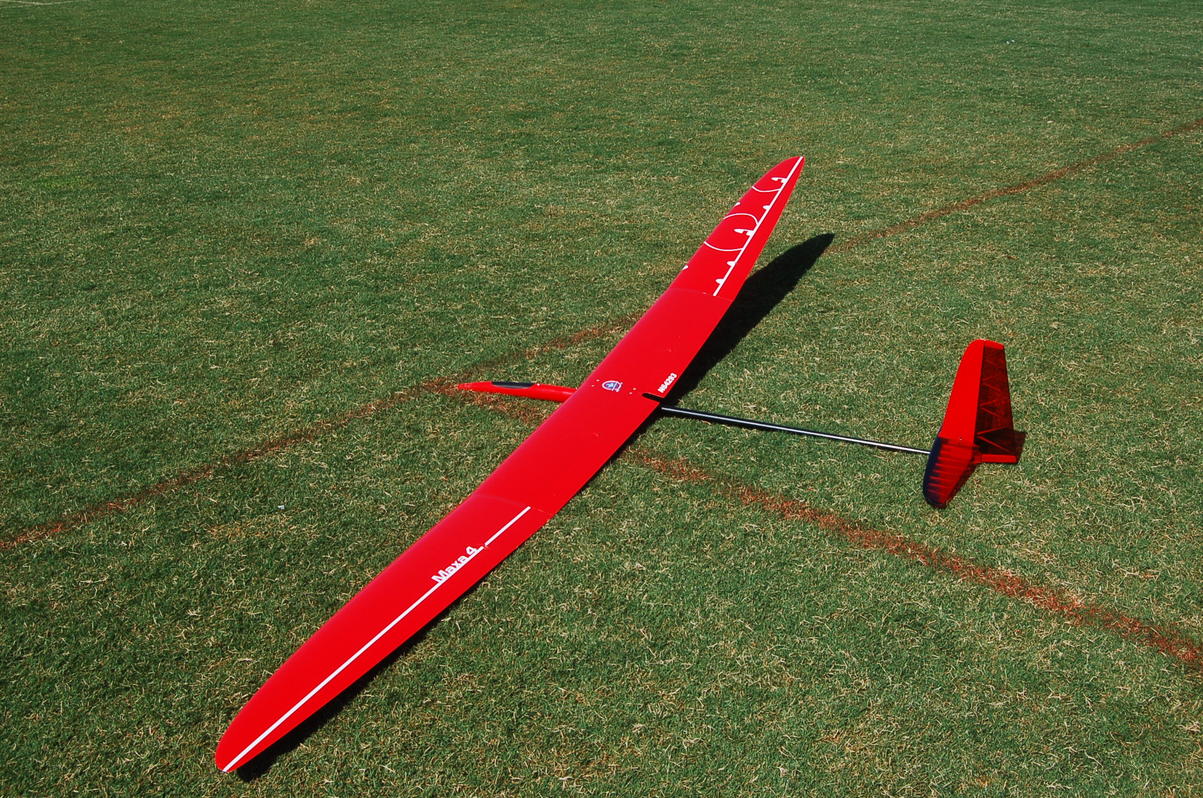
Maxa is a combination of ultra-modern aerodynamic design by Joe Wurts and optimal structure from Vladimir’s Model.
The design satisfied four main goals:
1) The soaring duration was increased by new aerodynamic solutions from Joe Wurts and reduced weight of the new structure from Vladimir’s Model;
2) The landing accuracy is improved by reducing the plane inertia, increasing the efficiency of the control surfaces at very low landing speeds, and the shape of the pod, which stops the plane as soon as the nose touches the ground;
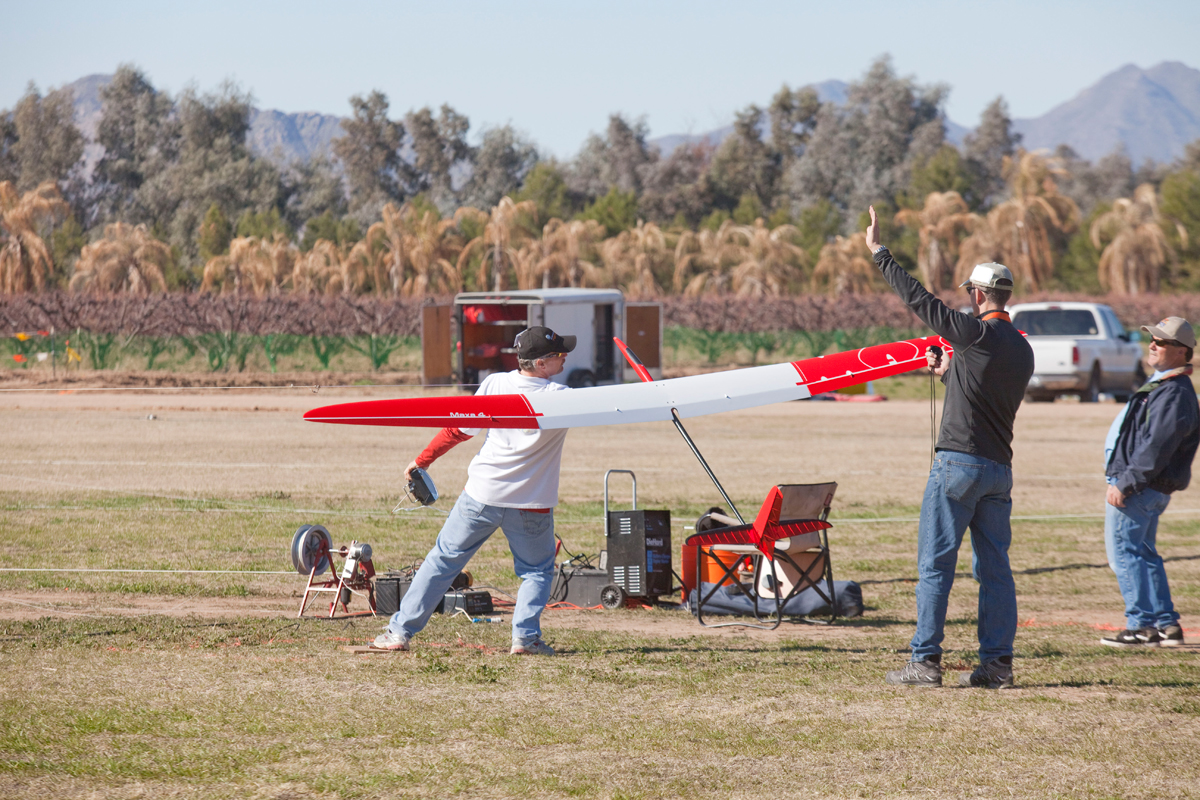
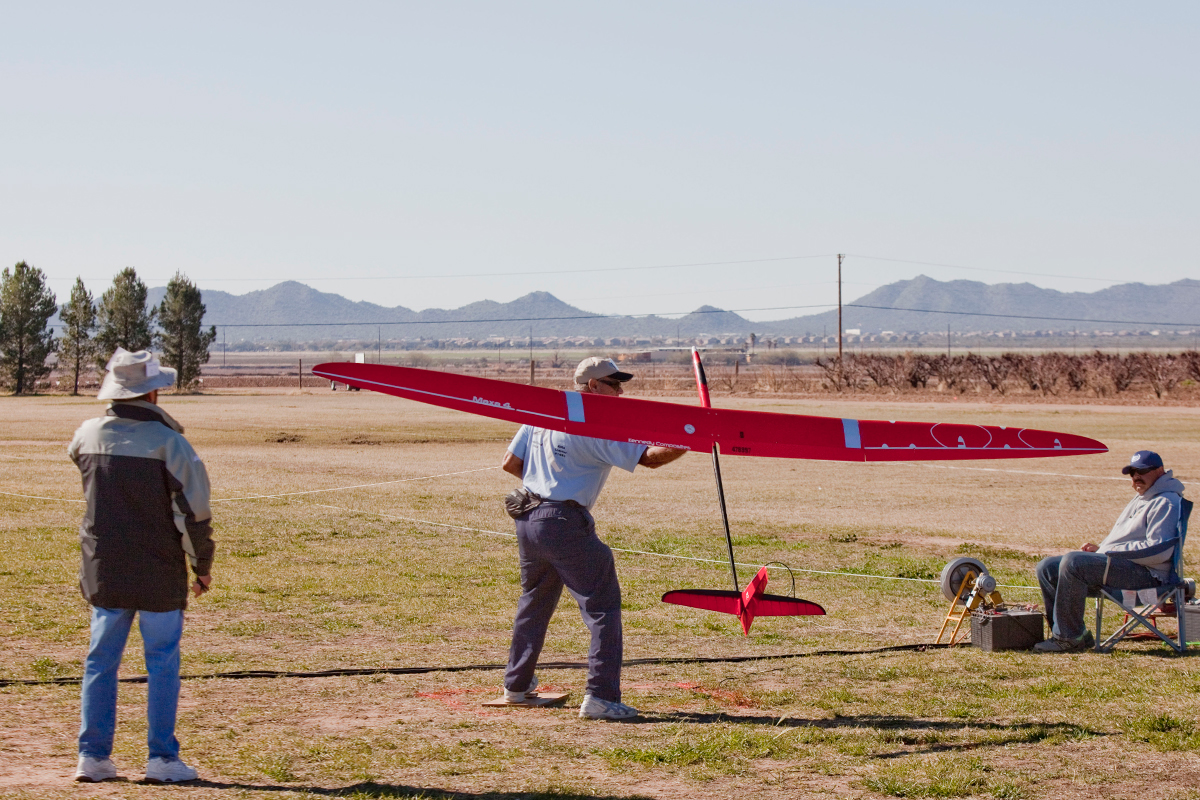
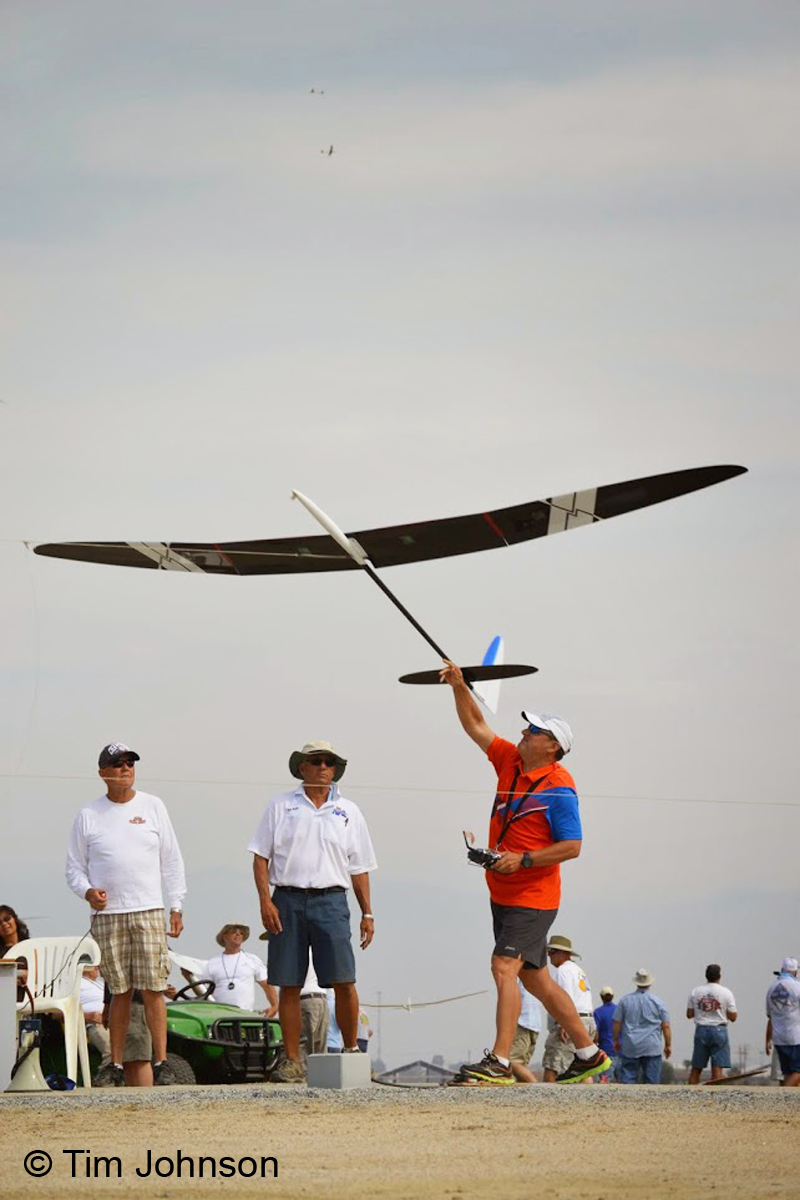
3) High speed dynamic launches are greatly improved due to low drag of the wing and other part of the plane as well as by the increased stiffness, which is especially important at high speeds of the launch;
4) Penetration, the ability of the glider to return from distant thermals without loosing much altitude, is improved by the exceptional aerodynamic properties of the new model.
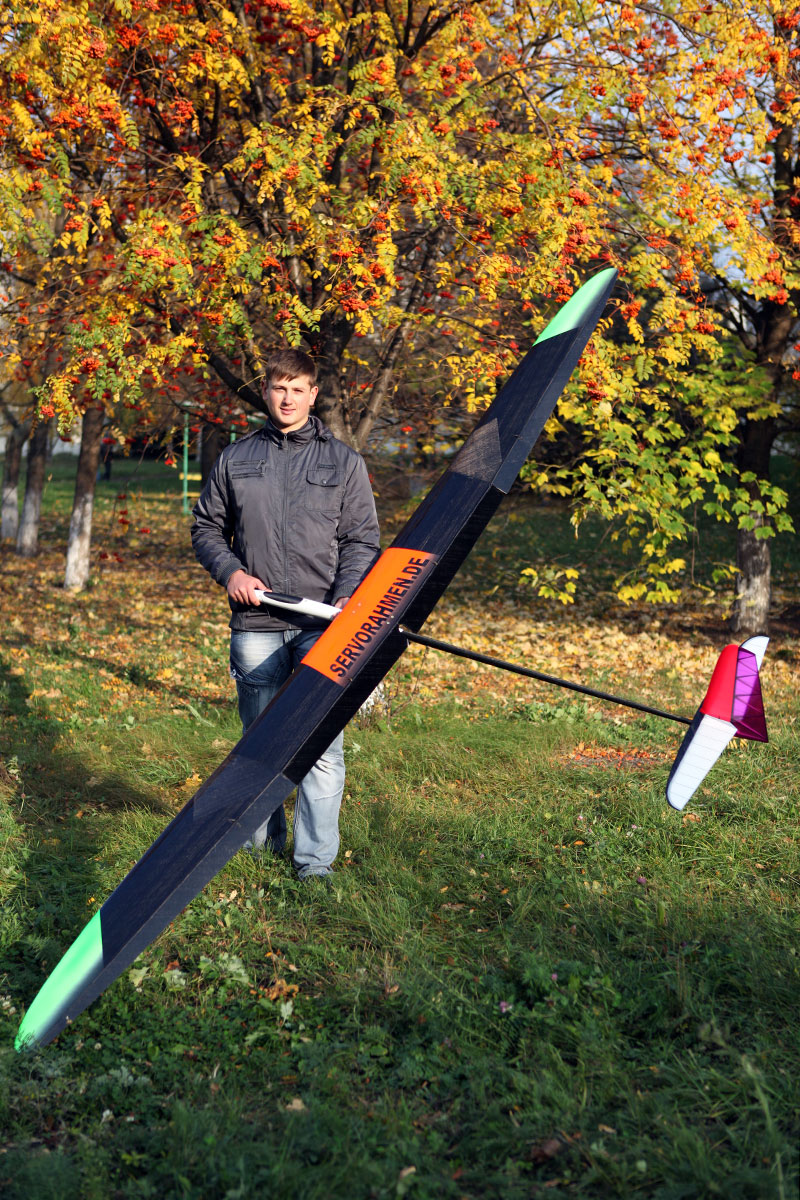
Maxa 3.5 m
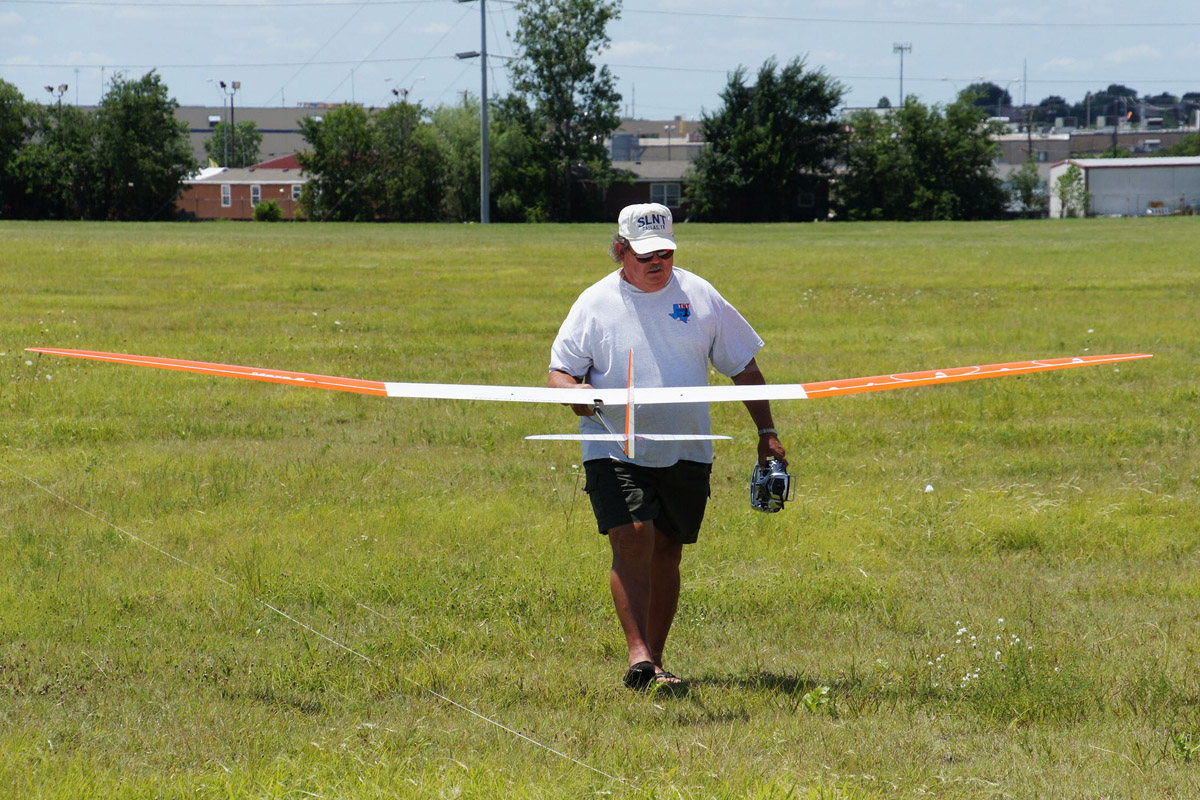
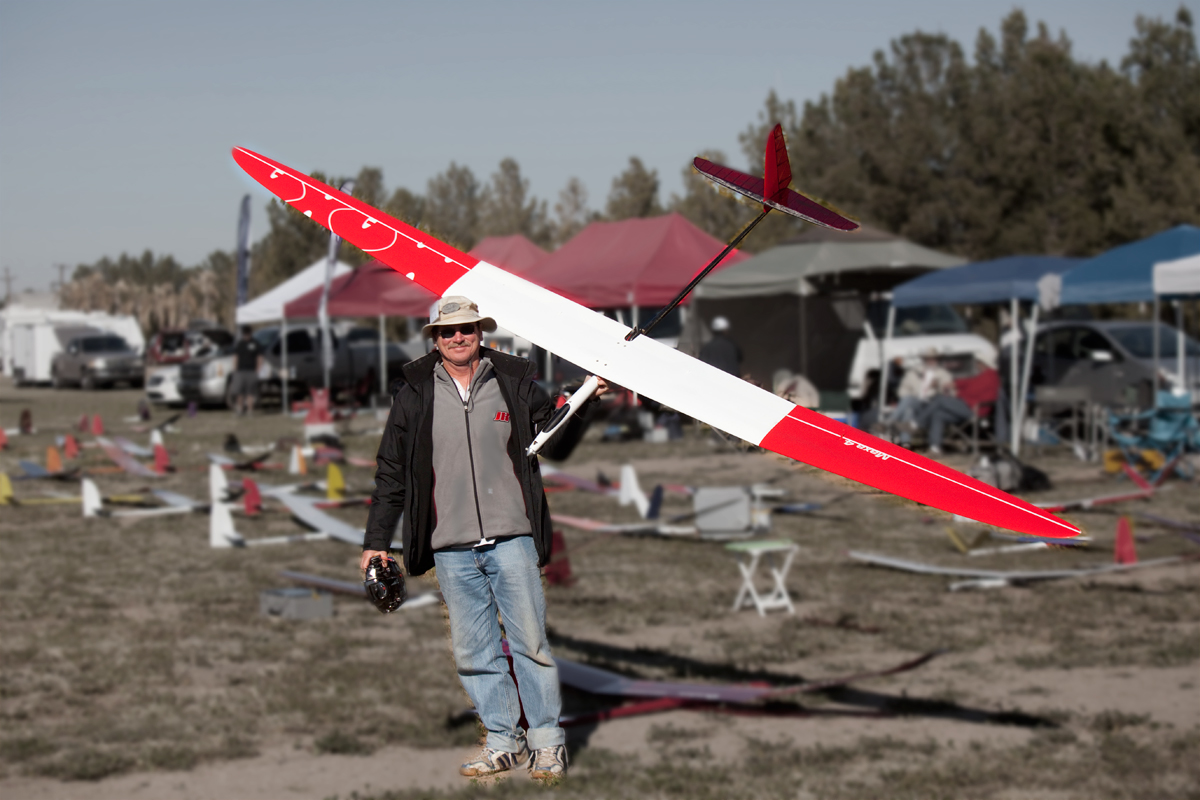
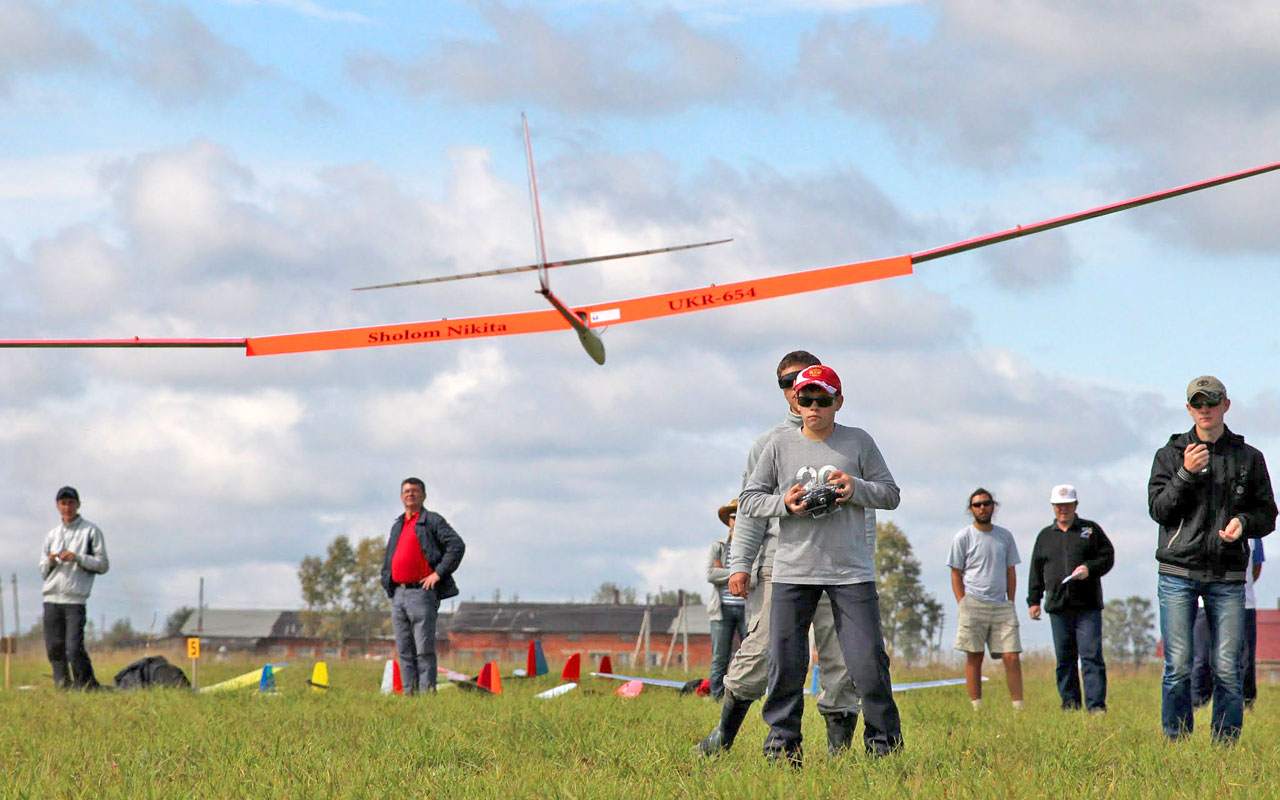
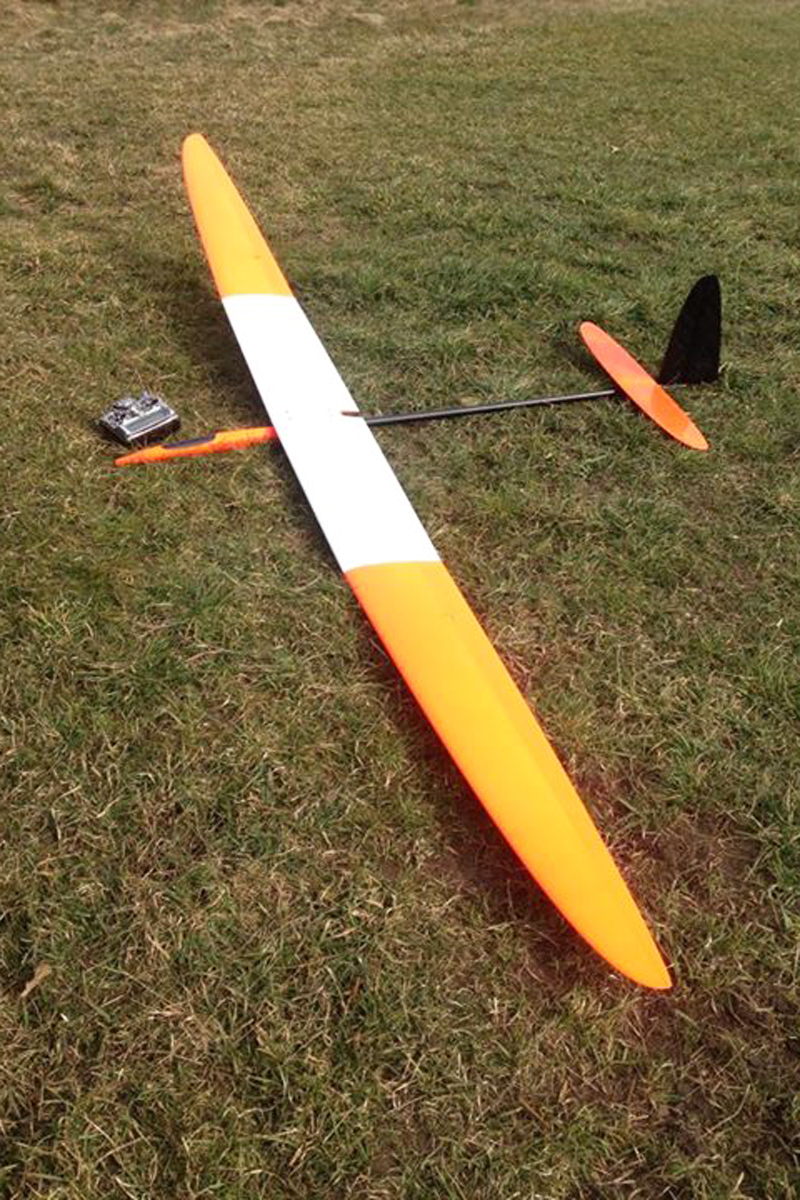
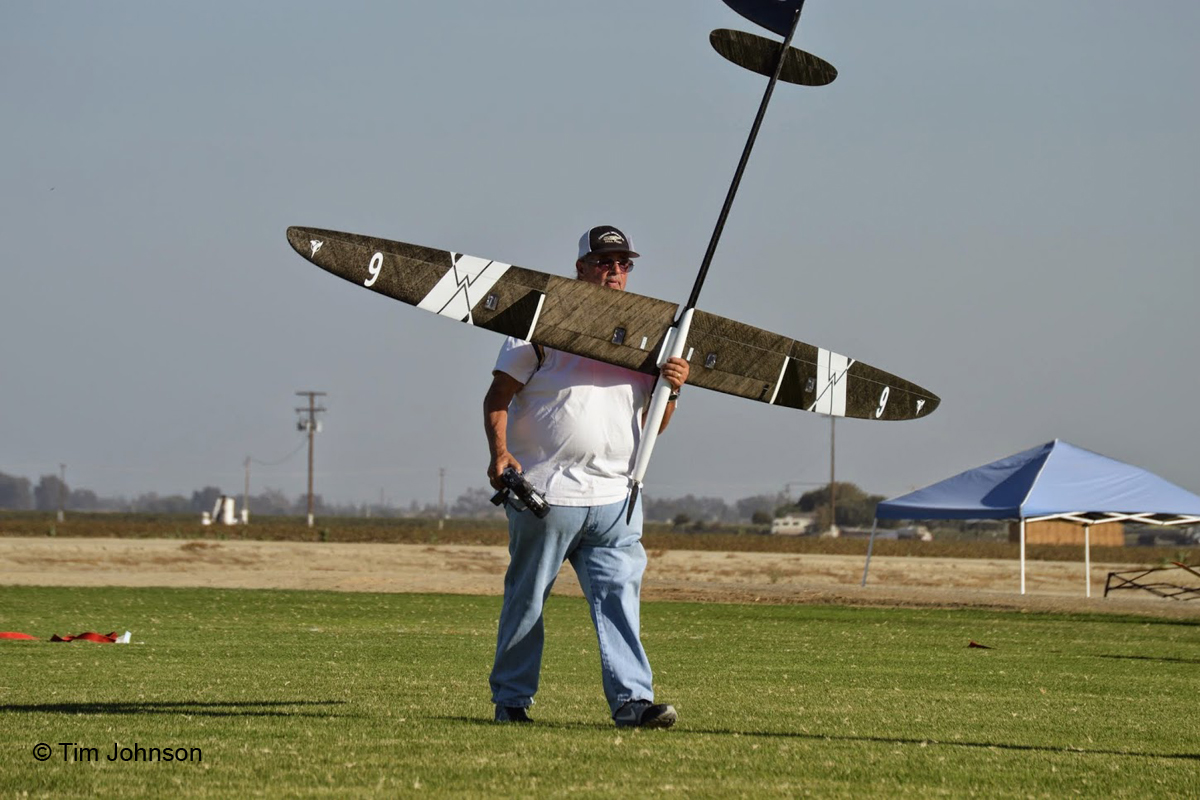
Maxa 3.5 is the universal soaring leader for any weather.
This glider takes advantage of even the weakest morning thermals, thanks to its light weight. High structural stiffness and novel aerodynamics allow Маха 3.5 to easily climb and return from distant thermals even in the windy weather.
Efficient wing mechanization permits accurate control of the flight speed not only on landing, but also during the search for thermals.
Increased area of the light horizontal stabilizer improves the control and guarantees “bull eye” landings.
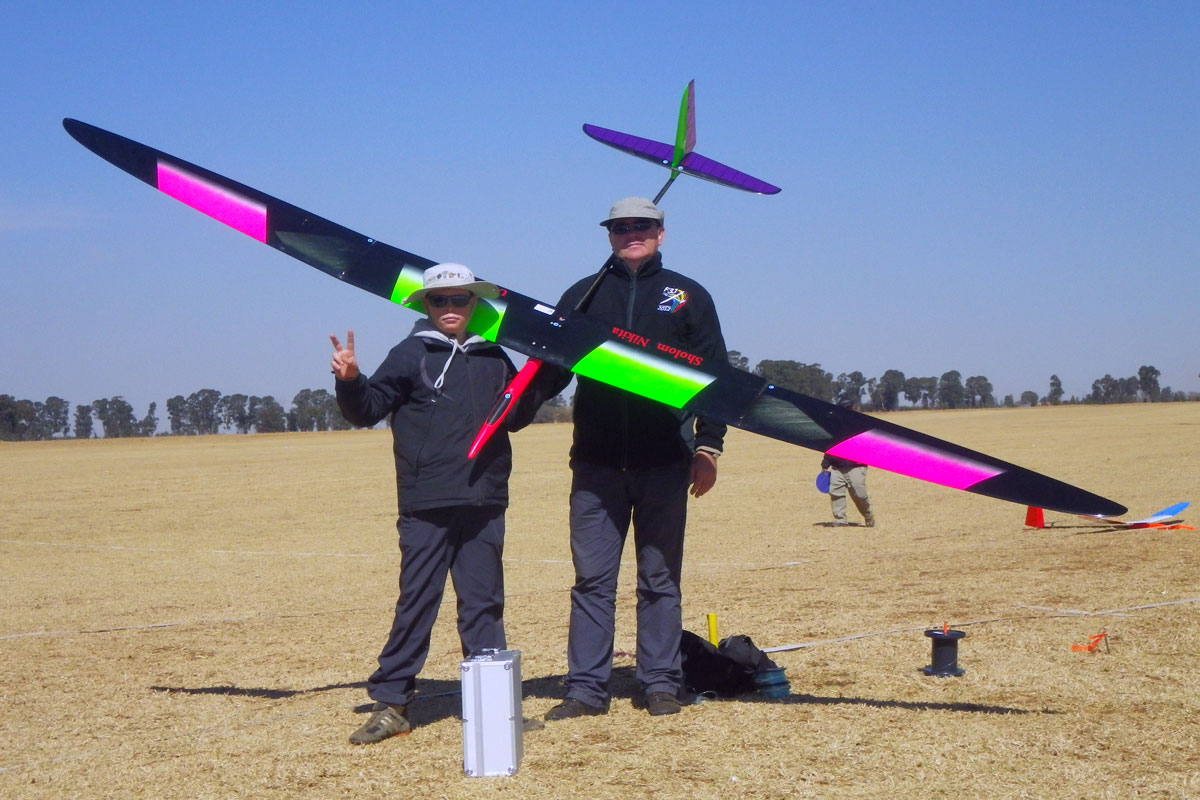
Maxa 4 m
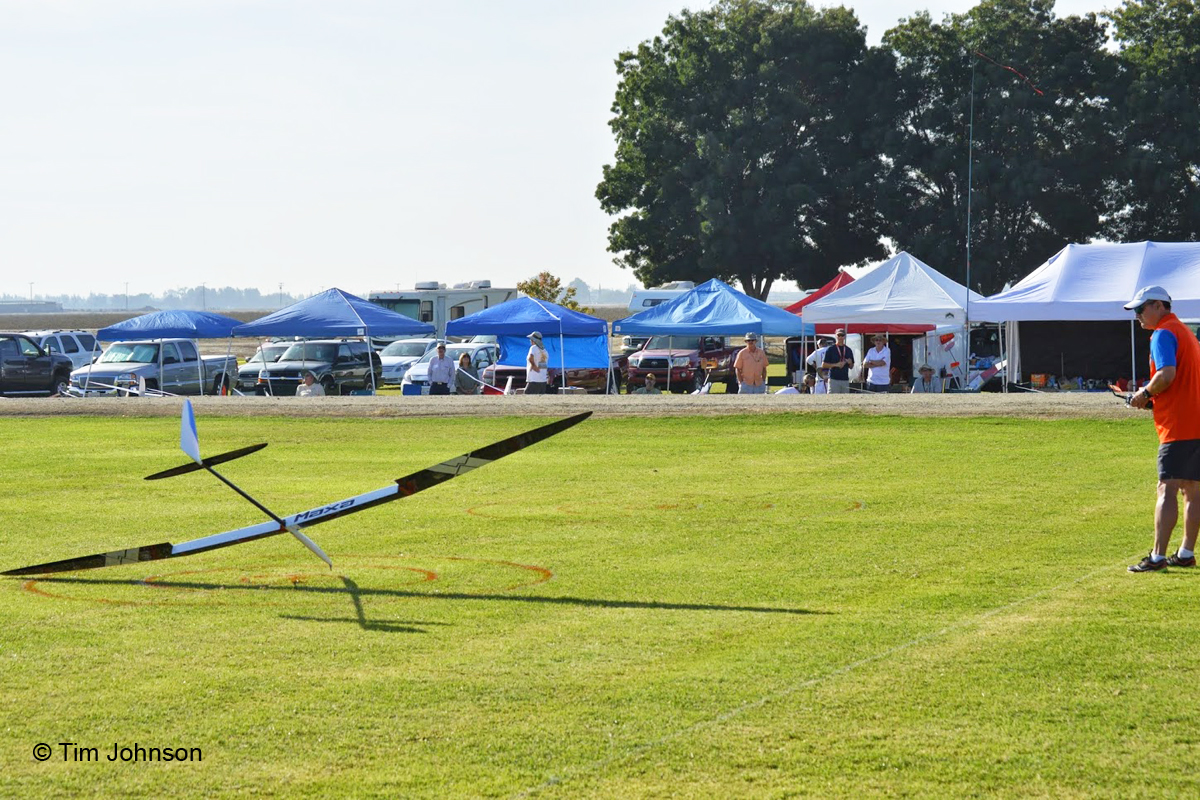
Maxa 4 – a version with the wing span increased to 3,925 meters.
This glider has no competition in the absence of lift in the morning or in the evening.
Increased wing span also makes it easier to see the plane from a distance.
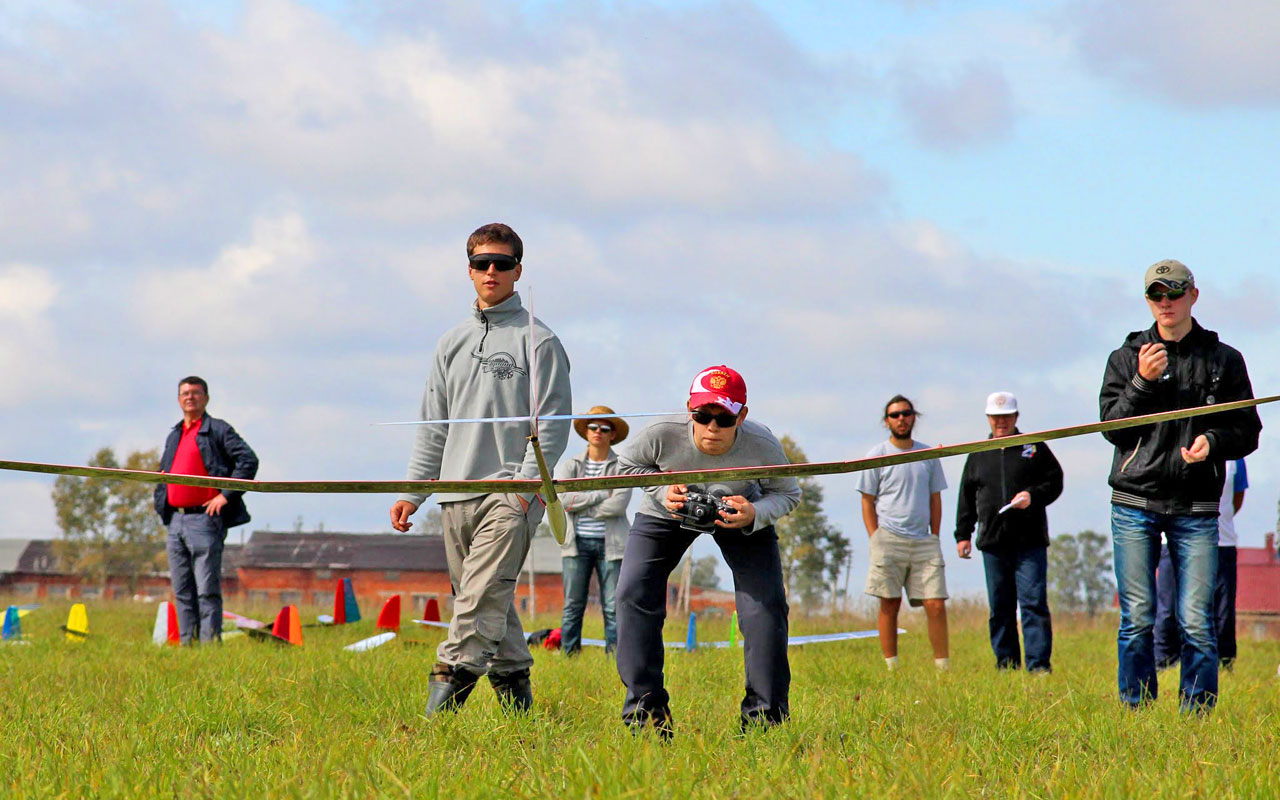
Unique aerodynamic properties and increased airframe stiffness result in very high launch speeds despite large wins span.
Maxa 4 climbs with confidence, when everybody else complaints about lack of lift.
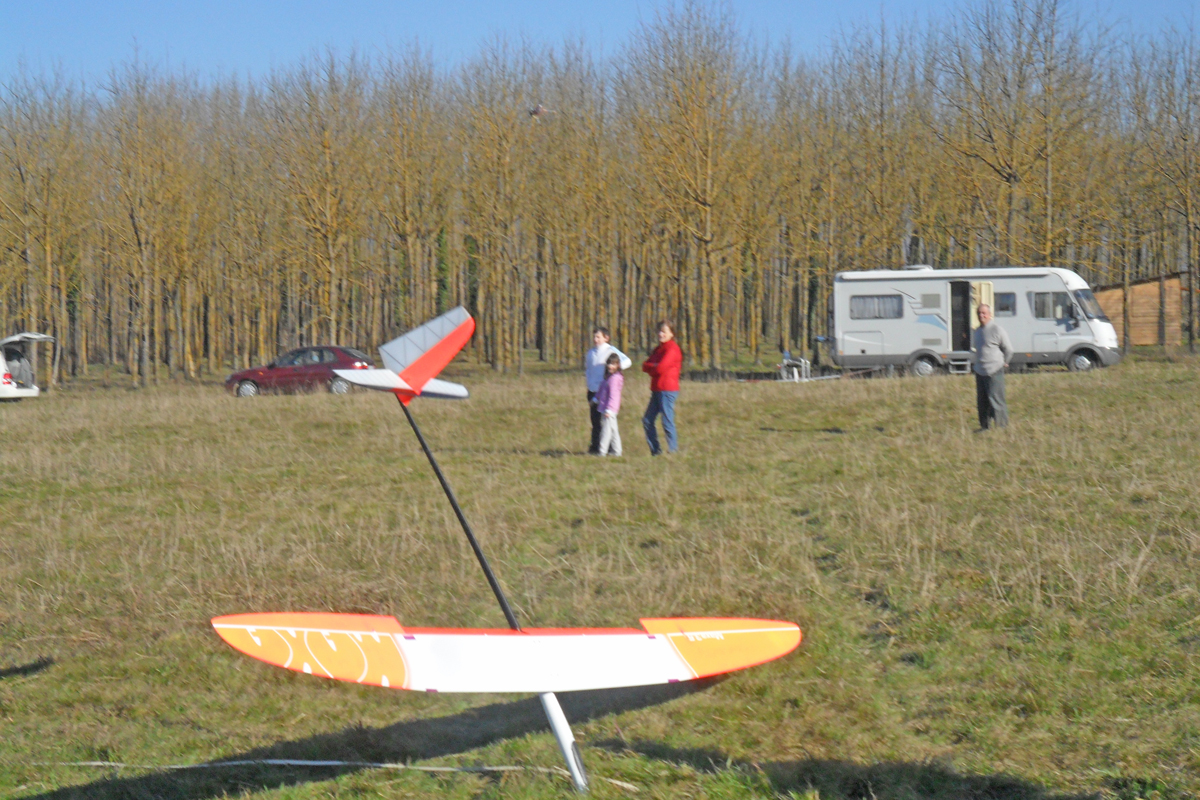
Maxa 4 m Long tail
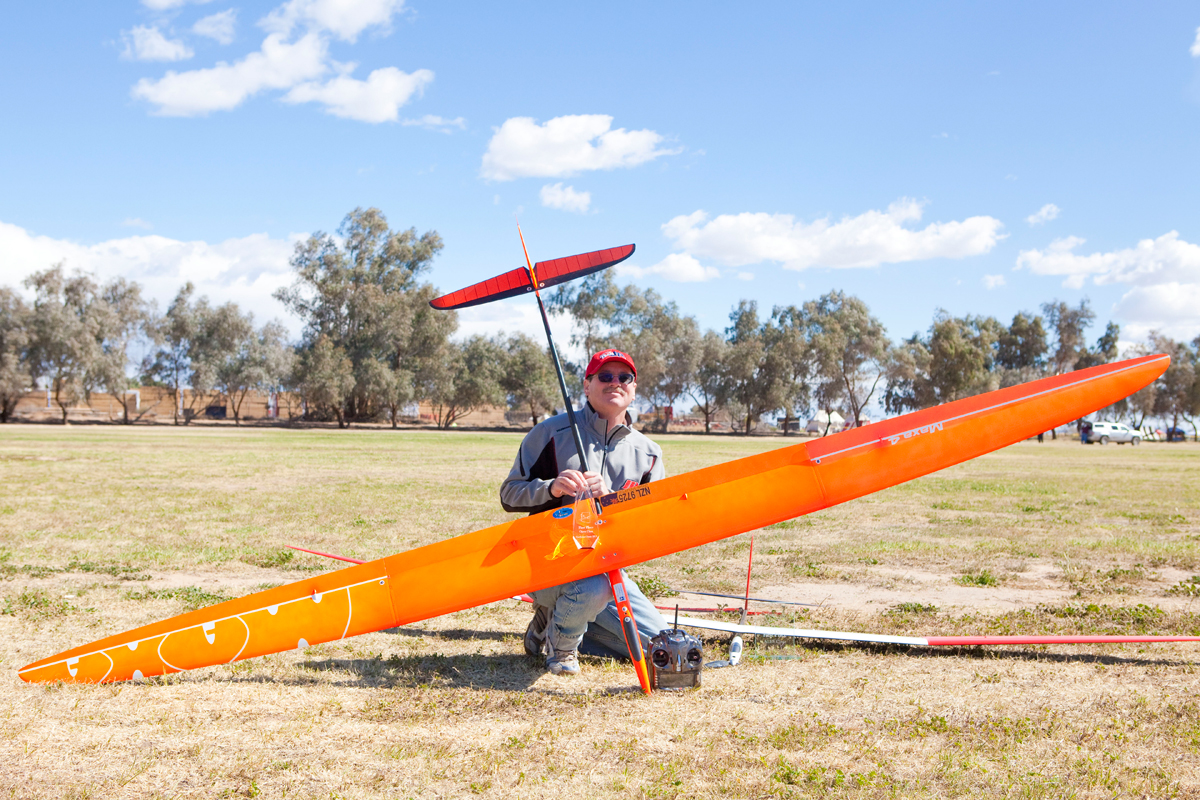
Maxa EL 4m Long – the newest version with wingspan 3.925m.
The main advantage of long booms is to improve longitudinal stability of the model.
Hypersensitivity to flows, improved handling model, especially on small landing speeds (this also make more accurate landing), will allow you to fully realize themselves, and enjoy the flight.
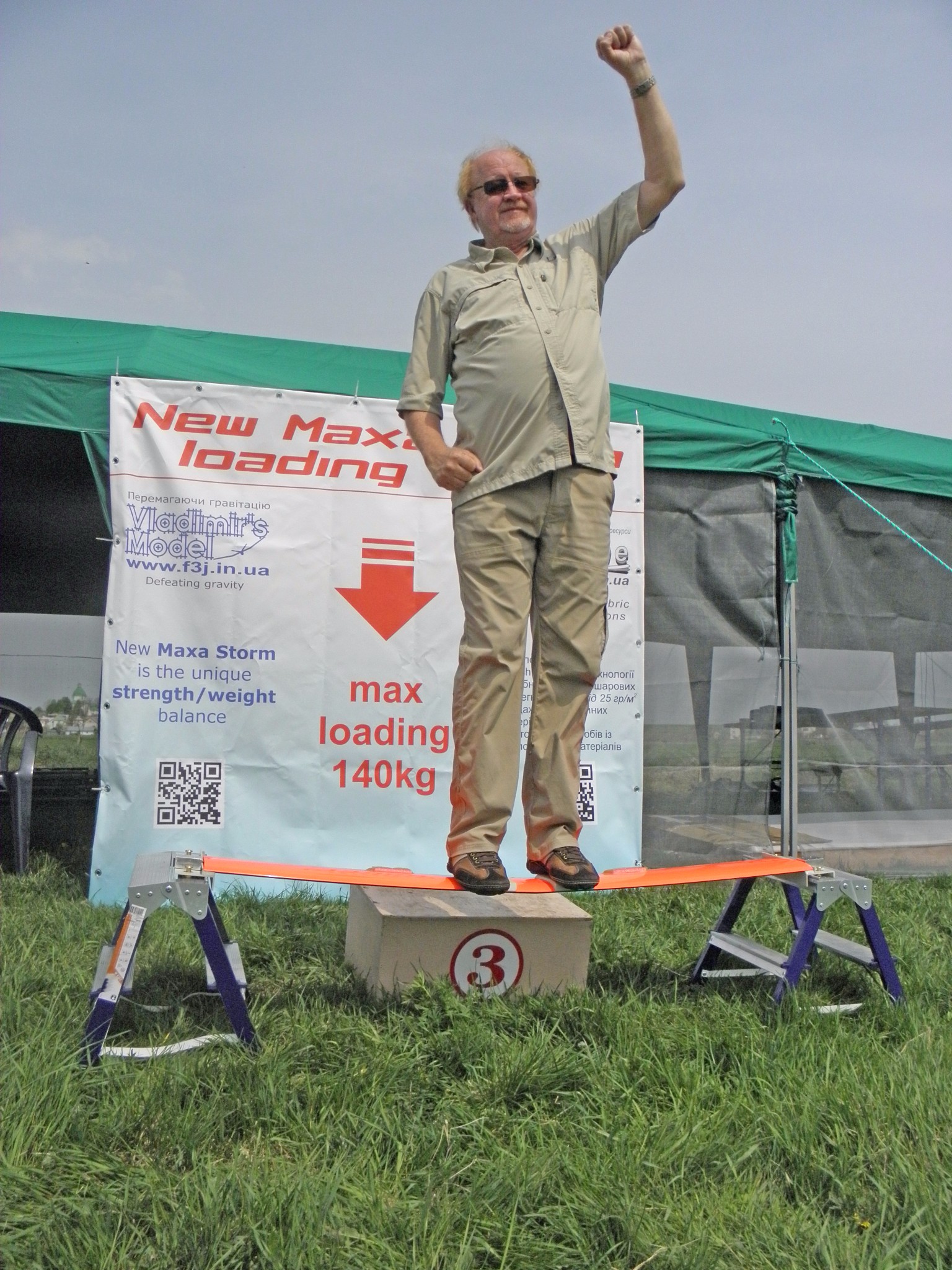
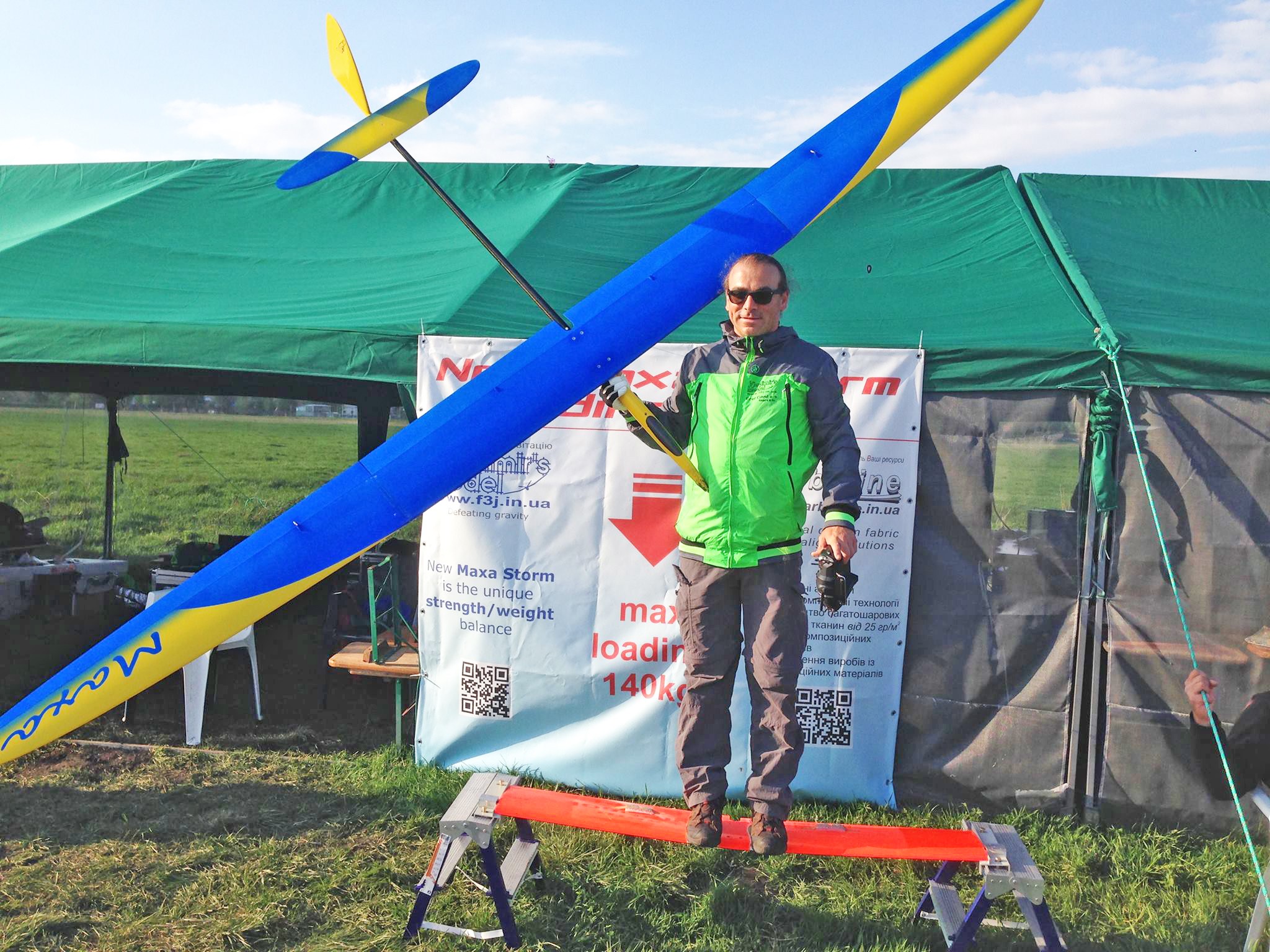
The use of our proprietary, made in-house, high strength Spread Tow carbon laminates resulted in a glider with world lowest wing loading.
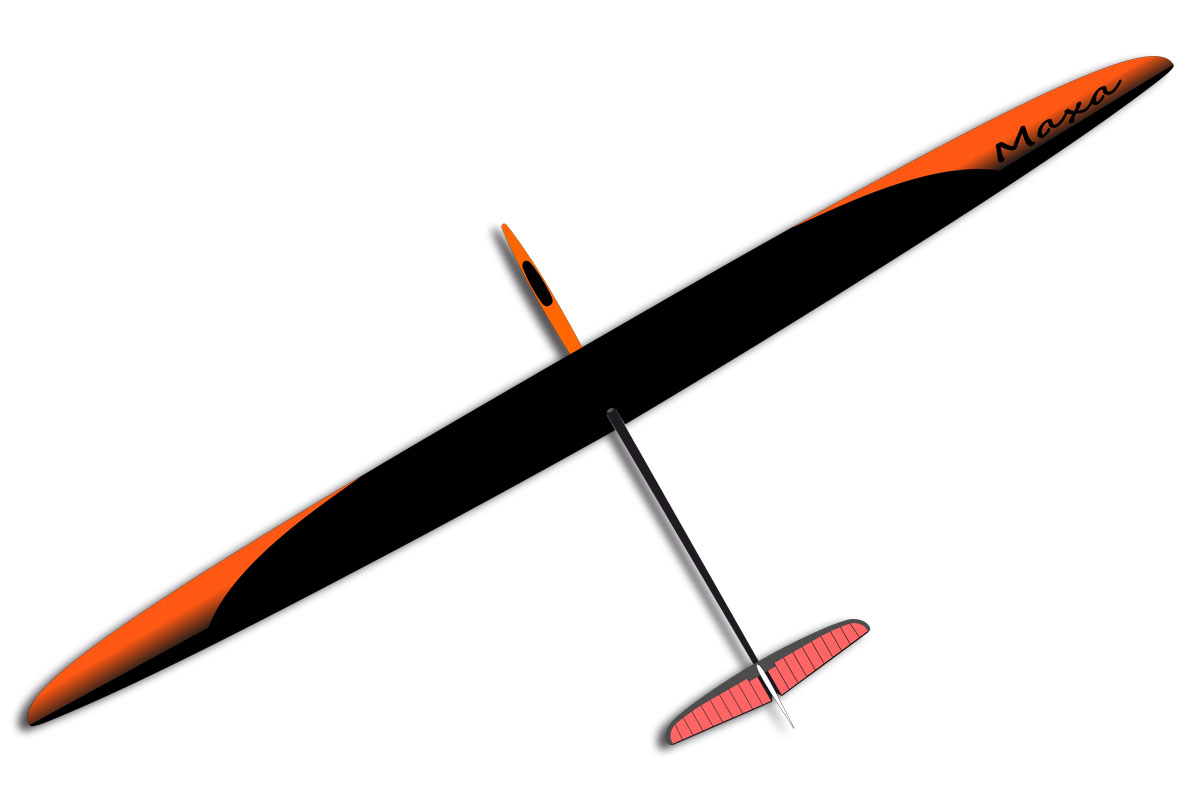
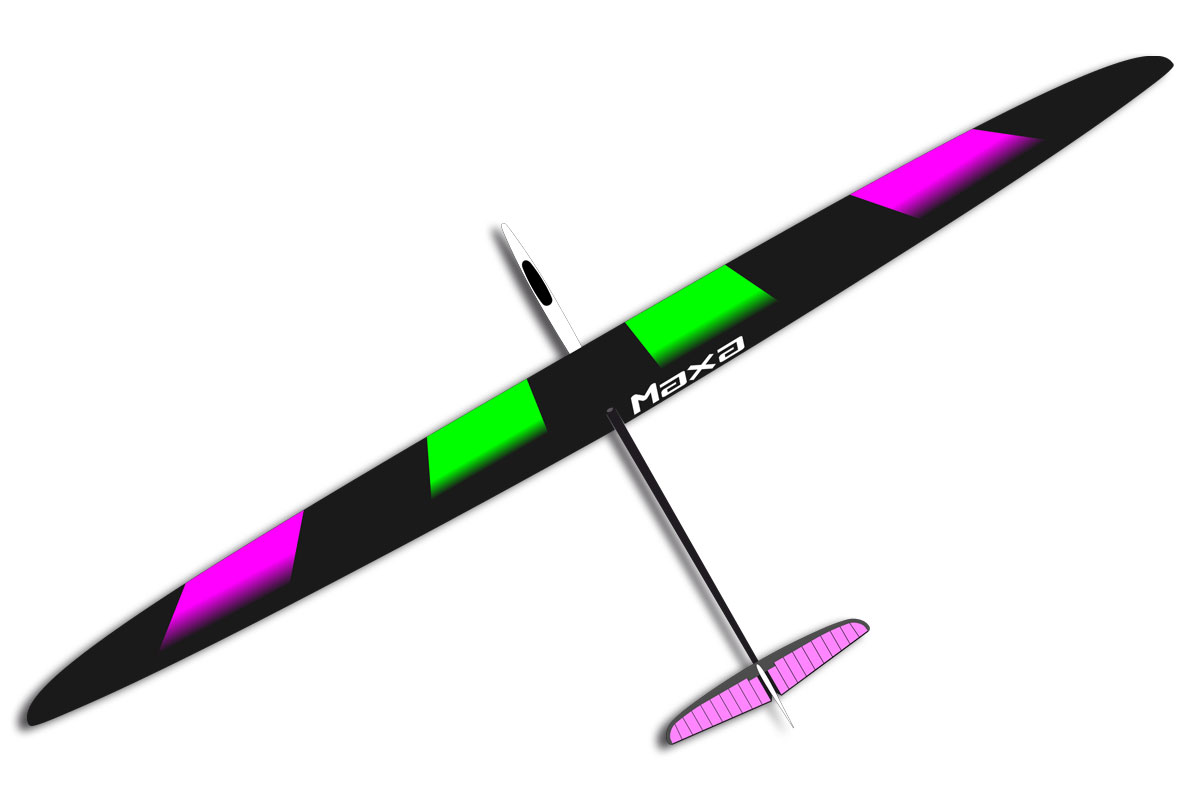
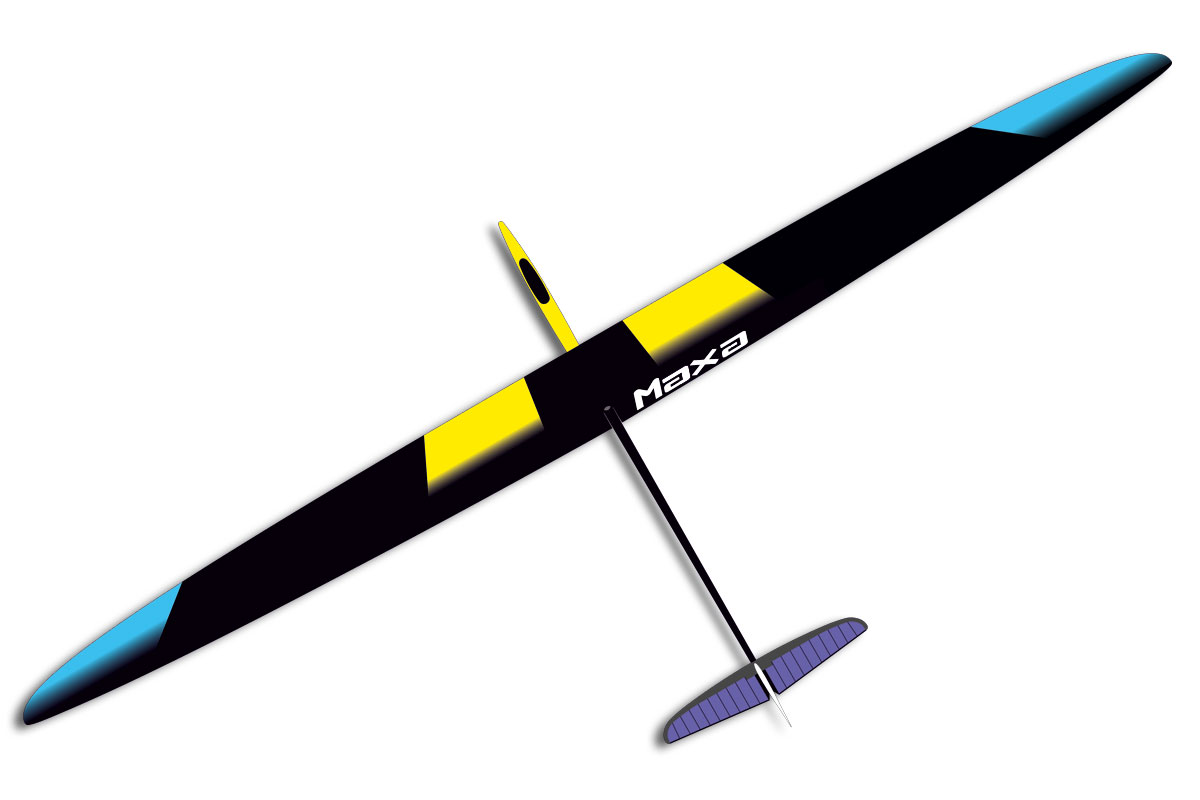
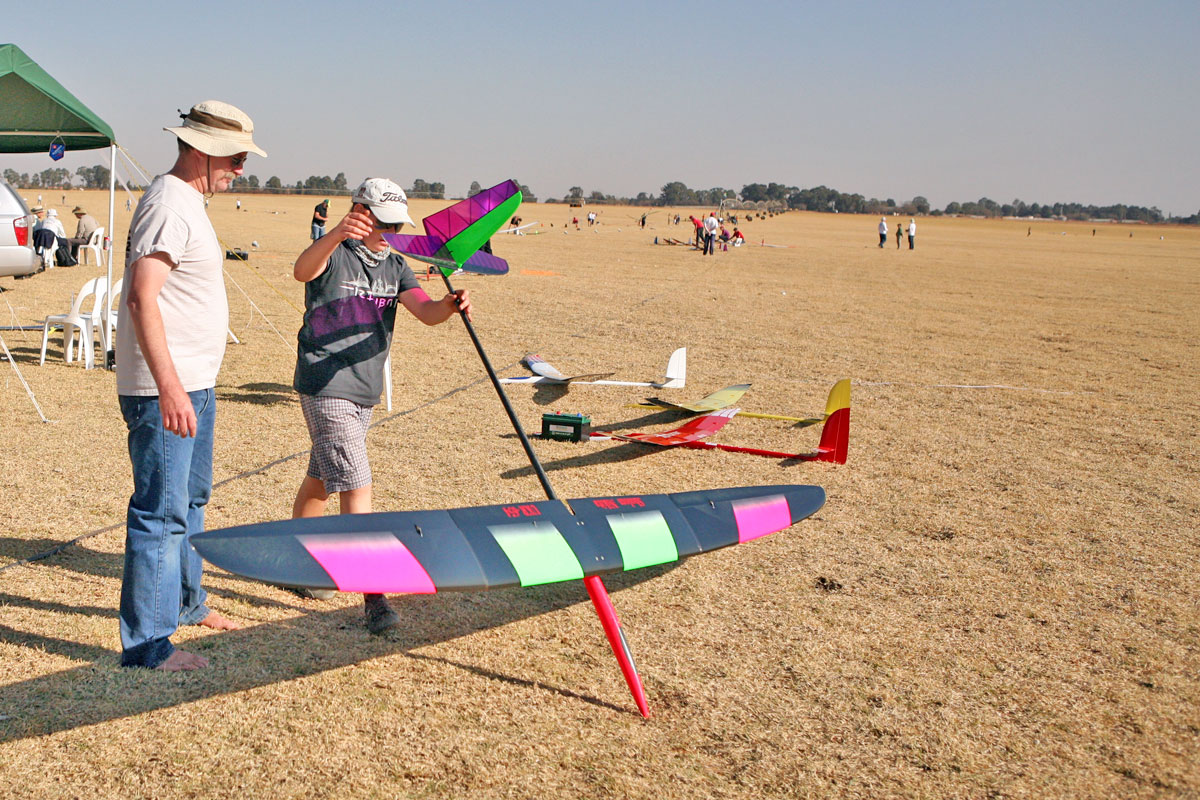
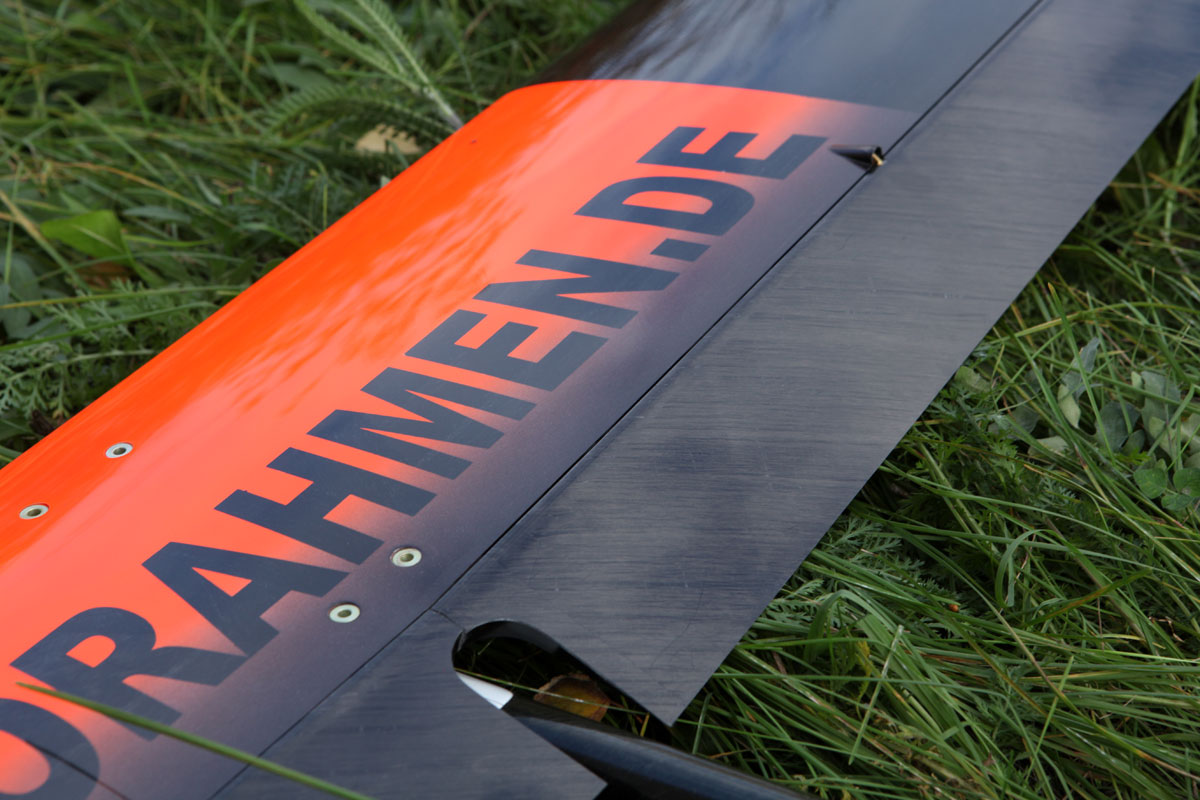
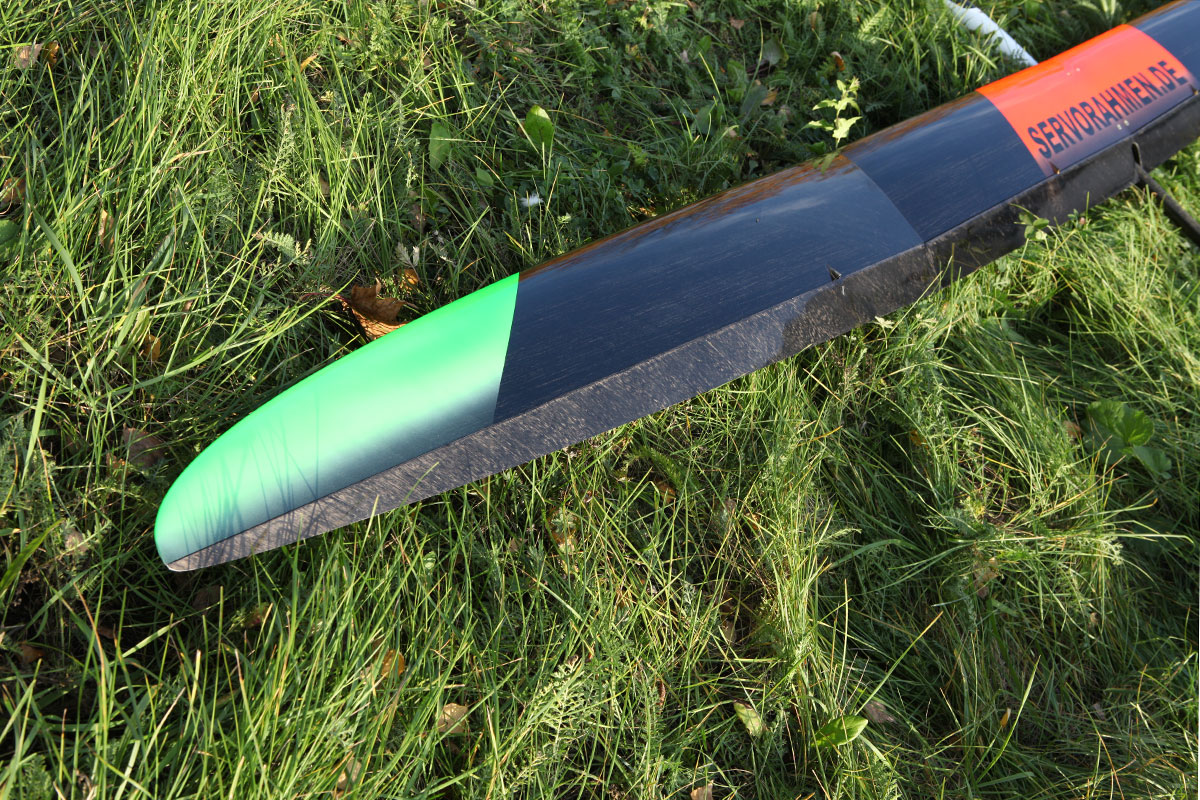
Wide selection of colors allows you to customize your model to reflect your unique style.
You can select the version, which best fits your needs, using the following table.
Technical data of Maxa family |
|||||
|
Click on the model name to paint it |
|||||
|
Modification of the model |
Light |
Windy |
Light |
Windy | Storm |
|
The recommended speed limit for the use of wind m/sec |
≤6 |
≤10 |
≤5 |
≤8 | ≤12 |
|
Aerodynamic characteristics |
|||||
|
Length |
1730mm (68.1") |
1860mm (73.2 ") |
|||
|
Wing span |
3465mm (136.4") |
3925mm (154.53") |
|||
|
Wing area |
73.84 sq dm (1144.47 sq in) |
82.16 sq dm (1273.45 sq in) |
|||
|
Wing air foils |
rt01/td19sag/j00/j01/j02/j03 |
||||
|
Wing aspect ratio |
16.25% |
18.75% |
|||
|
Stabilizer area |
7.8 sq dm (120.9 sq in) |
||||
|
Stabilizer aspect ratio |
7.96% |
||||
|
Stabilizer airfoils |
HT14/HT15 |
||||
|
Vertical Stabilizer area |
5.78 sq dm (89.62 sq in) |
||||
|
Vertical Stabilizer aspect ratio |
2.47% |
||||
|
Control surfaces |
ailerons, flaps, rudder, elevator |
||||
|
Width of wing joiners |
8.2 mm |
11 mm | |||
|
Weight characteristics |
|||||
|
Pod |
170 |
||||
|
Tail boom with fin and rods |
106 |
122 |
|||
|
Central panel |
617 |
720 |
617 |
720 |
937 |
|
Wing Tips ( both) |
380 |
415 |
420 |
500 |
630 |
|
Stabilizer |
36 |
||||
|
Details like hatches, rods, screws, crevices. |
66 |
||||
|
Wing joiners ( both) |
35 |
||||
|
NT model weight |
1410 |
1548 |
1491 |
1664 |
|
|
Flight weight * |
1780 |
1848 |
1831 |
2021 |
|
|
Wing loading ( g/dm2) * |
24.1 |
25 |
22.2 |
24.6 |
|
|
Price, EUR |
1 605,00 € |
1 798,00 € Buy |
1 784,00 € Buy |
1 976,00 € Buy |
|
* - typical value shown; the actual values depend on the radio gear used;
** - weight of the components depends on the color and the presence of stripes. Dark colors lighter, yellow is the heaviest.